














No products in the cart.

Shop this story
Why it feels like everyone is getting more selfish: What’s really behind it
by Anabel Figueroa
It is hard to ignore the feeling that people are pulling into their own bubbles, guarding their time, energy, and attention more fiercely than ever. Group chats go quiet, plans feel more fragile, and everyone seems a little more focused on curating their own life than caring about anyone else’s. For young adults and parents, that can feel like proof that rising selfish behavior is taking over daily life. Under the surface, though, much of what looks like coldness, flakiness, or self-absorption is tangled up with exhaustion, pressure, and systems that quietly reward putting yourself first.
This shift matters, because it changes how friendships form, how families communicate, and how communities hold together across generations. Social media, burnout recovery, artificial intelligence, and economic stress all play a part in centering the individual, and each one blurs the line between healthy boundaries and pure self-interest. We will look at how digital design shapes attention, how nervous systems and mental health needs shape self-care, and how technology and economics nudge people into isolation. From there, we will explore how reframing motives and rebuilding shared spaces can turn some of that self-focus into something more sustainable, and even more generous, for everyone involved.
Social media dynamics: How constant performance fuels ‘me-first’ culture
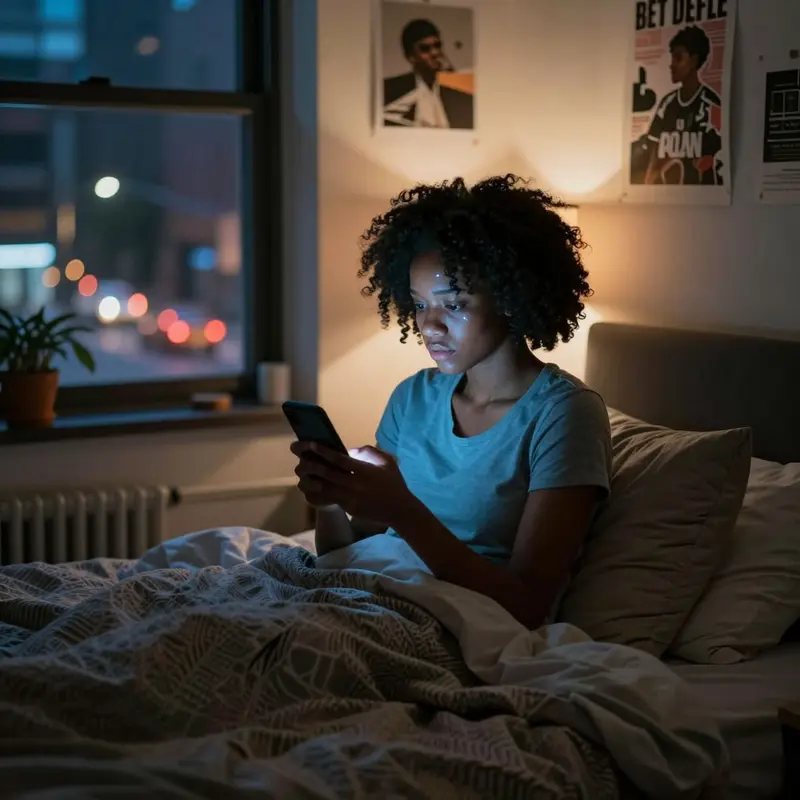
Open any app and start scrolling. It hits you fast. Everyone looks like the main character of their own show.
For Gen Z, this is not a hobby on the side. It is the default setting. About 90% of Gen Z have social accounts, and they spend an average of 2 hours and 55 minutes on social media every single day. Over half spend more than 3 hours daily. That is a huge chunk of real life being filtered, liked, shared, and quietly judged in public.
When you spend that much time in a space that constantly asks, “What are you doing? What do you think? What do you look like?” something subtle starts to happen. It quietly trains the brain to put “me” at the center first. You get rewarded with hearts, comments, and views when you talk about yourself, your tastes, your opinions. Over time, it can start to feel normal, even expected, to put your needs, your image, and your story before anyone else.
You can see this clearly in how the platforms are built. They are not neutral. TikTok, Instagram, and Snapchat are used daily by 81% of Gen Z. Their core features are designed to push you to post, react, and measure your impact. Post a story. Check the views. Watch the likes. Repeat. It is hard not to start tying your sense of worth to how often you appear and how strongly people respond.
Then there is the pressure to create. Not just to consume. Around 58% of Gen Z users create or share videos. That means it is not just watching what everyone else is doing. It is constantly thinking, “What can I post next? How can I make this moment content?” The focus quietly shifts from living the moment to performing it. From “How does this feel?” to “How will this look?” That performance mindset can feed rising selfish behavior, because experiences start to matter more for how they look on a screen than how they feel to the people actually involved.
For many teens, this is not a once-in-a-while thing. It is almost like full-time background noise. Roughly 36% of U.S. teens use at least one social media platform “almost constantly.” When your mind is rarely offline, you almost never get a real break from the mental loop of, “How do I look right now? How do I compare? Am I keeping up?”
Influencers add another powerful layer to this me-first culture. The numbers around them are striking and a little sobering:
- About 59% of teens prefer influencers over celebrities for product recommendations. Influencers feel more relatable and personal.
- Around 63% of teens follow influencers for insights. What they say can shape daily choices, from what to wear to how to think about yourself.
- Roughly 66% of teens have made purchases based on reviews. Shopping becomes a social experience, almost a group activity.
- About 47% of teens are influenced by personalization or discounts. The more something feels targeted to “you,” the more powerful and persuasive it becomes.
When so many decisions, from what you wear to what you buy, run through people who are literally paid to promote themselves, it sends a clear message. The people who win are the ones who make everything about their personal brand. Your value starts to look like a scoreboard of visibility and influence.
If you are a young adult in the middle of this, it can leave you both exhausted and oddly empty. You might feel pressure to speak up, stand out, and self-promote, even on days when you would rather just be present and calm. You may feel like you have to post every milestone, every opinion, every outfit, or risk becoming invisible. If you are a parent, it can be confusing and even worrying to figure out where healthy self-expression ends and self-obsession begins.
Here is the tricky part. Some of what we quickly label as selfish is actually an attempt to cope with burnout and emotional overload. When you are constantly performing, comparing, and protecting your image, your brain and body get tired. The nonstop pressure to always be “on” can push people toward pulling back, setting firmer boundaries, or prioritizing rest and intentional practices like mindfulness and self-care.
From the outside, that can sometimes look like someone is becoming more self-focused or even self-centered. On the inside, it might be survival. In the next chapter, we will look at how this post-burnout recalibration blurs the line between genuine self-care and behavior that crosses into self-centeredness. And we will explore how young adults and parents can tell the difference.
Post-burnout recalibration: When self-care looks like selfishness

At first glance, it may seem like someone who pulls back after burnout is choosing to focus solely on themselves, but the reality is often more profound. Internally, the nervous system yearns for a reset, not just attention.
This is where the line between healthy self-care and growing selfish behavior starts to blur. You are not just tired. Your body and brain are actively trying to recalibrate. Nervous system regulation practices, like polyvagal therapy, vagus nerve resets, and somatic exercises, are all designed to help that overloaded system find its way back to a sense of safety. When your nervous system settles, something powerful happens. Your cognitive function improves and your emotional stability comes back online. You think more clearly, you snap less, you feel more like yourself again.
For a burned-out college student or an exhausted parent, that nervous system reset does not always look graceful. It can look like saying no more often. It can show up as needing quiet or stepping away from constant social demands. To the outside world, that may feel like distance or withdrawal. In reality, the person is trying to avoid getting dragged back into survival mode.
This is where emotional fitness really matters. Instead of waiting until you are completely drained and on the edge, emotional fitness is about noticing and steering stress much earlier. It gives you practical tools to do that. Mindfulness, journaling, and mood tracking help you pay attention to what pushes you toward overwhelm in the first place. When you start catching those patterns sooner, you can make smaller, less dramatic adjustments before everything breaks.
Sometimes the change that helps the most is surprisingly small. Micro-rest is the practice of taking 60 to 90 second breaks so your nervous system can recalibrate. That is it. Just a minute or so. Those tiny pauses can lower cortisol levels and improve focus. In a culture that constantly praises nonstop output and busyness, stepping away for sixty seconds can feel lazy or self-indulgent. The truth is different. It is not laziness. It is maintenance.
Picture a parent who walks into the hallway for ninety seconds of slow breathing before responding to a tantrum. Or imagine a student who closes their eyes between online classes to track their mood, relax their shoulders, and unclench their jaw. From the inside, these are survival strategies that keep them from exploding or shutting down. From the outside, someone who does not understand may label them as dramatic, distant, or overly sensitive.
So the real question is not “Is this selfish?” A better question is “Is this helping me show up as a steadier human over time?” Healthy self-care restores your capacity to be present with other people. Self-centeredness, on the other hand, protects your comfort at the expense of everyone around you.
Looking forward, we will broaden our scope beyond individual nervous systems and personal coping strategies. We will explore how digital culture is fostering a notable focus on self-importance and its implications for interpersonal relationships.
Generational shifts: How AI trains a me-first mindset

Having explored self-centeredness in personal decisions, let’s broaden our horizon and imagine a culture nudged toward self-focus every time we engage with our devices.
Our digital world is intentionally built to put you at the center. Your feed. Your recommendations. Your notifications. Gen Z in particular is fueling a massive demand for hyper-personalized experiences, and companies are more than happy to respond. Around 72% of retailers already treat AI-powered personalization as standard. That means most of what shows up on your screen is finely tuned to your tastes and habits. It feels convenient and even a bit flattering, especially as trends like AI and personalized learning expand into more areas of life. At the same time, it quietly trains your brain to assume the world should adjust to your preferences.
AI does not only shape what you see. It is starting to shape how you think. By 2026, AI is predicted to handle over 40% of workflows in organizations, while humans move toward roles of oversight and judgment. On the surface, that sounds efficient. Underneath, something more fragile is at risk. Critical thinking skills are expected to weaken in roughly half of global organizations, which is serious enough that some schools and workplaces are already testing “AI-free” assessments. If a tool can draft your essay, plan your project, and summarize your article, reacting becomes easier than reflecting. You do not have to wrestle with the hard parts of thinking if a system can do it for you.
That mental atrophy matters when it comes to rising selfish behavior. When deep thinking fades, we are far less likely to pause and ask, “How will this affect someone else?” So we swipe, post, and comment from impulse. We respond to what feels good in the moment. Meanwhile, creativity is expected to become a rare and valuable asset in workplaces. People who can still think in original, thoughtful ways will be the ones capable of imagining more than just what benefits them personally.
There is another quiet force reshaping how we relate to one another. Trust. Synthetic media and deepfakes are already drawing attention to deceptive online behavior, and identity technologies are wearing down our confidence that what we see is real. When you cannot be sure the person on your screen is genuine, your natural instinct is to protect yourself. That self-protection can show up as apathy, cynicism, or a constant “me first” posture.
At the same time, organizations are starting to realize that isolation cannot hold forever. By 2026, demographic shifts are expected to drive investments into care support for Millennials and Gen Z. Workforce shortages are also creating new pressure to prioritize community over isolation. Around 31% of firms are concentrating on AI-orchestrated experiences that simplify daily life but often reduce the need for direct human interaction. The result is services that feel smooth and efficient. The tradeoff is fewer chances to practice patience, empathy, or something as simple as small talk.
If you are a young adult, this tension can leave you feeling oddly split. On one side, you are surrounded by tools that constantly center your needs and your comfort. On the other side, you are stepping into a world that urgently needs people who can collaborate, care, and think deeply about others. If you are a parent, you might be watching your child grow up in a culture where convenience feels normal and genuine connection takes more effort, planning, and courage.
Here is the hopeful part. None of this means you or your child is destined to become selfish. It means the environment quietly pulls you in that direction unless you notice the current and choose to swim differently. Awareness gives you options. We will move forward by examining how reframing apparent selfishness reveals the line between self-care and self-interest, and distinguishing when self-focus is constructive or detrimental to relationships and community well-being.
Positive reframing: When selfishness is really self-preservation
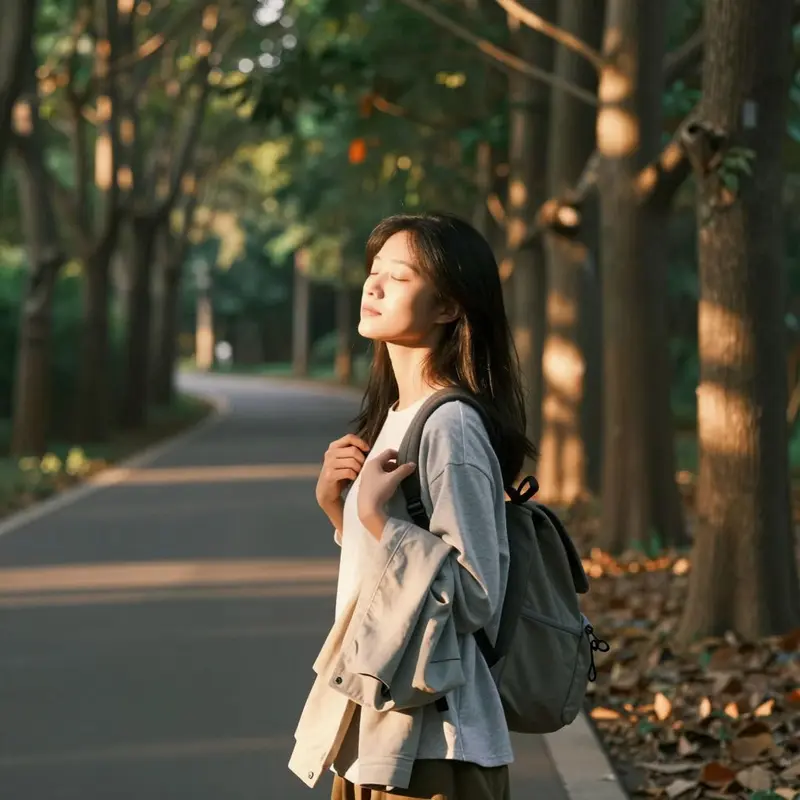
That “current” we just talked about, the constant pressure everyone is swimming in, is exactly what makes this next part so confusing. On the surface, it can look like people are just becoming colder and more self-involved. Underneath, something more complicated is going on.
Here is the twist. A lot of what gets labeled as selfish right now is actually a kind of self-preservation. When someone decides to stop pouring energy into one-sided friendships, it can absolutely look harsh from the outside. From the inside, it often feels like survival. It feels like, “If I keep giving like this, I am going to fall apart.”
Many people are starting to match energy on purpose. They are not just drifting into it. They are choosing it. They give most of their time and emotional effort to relationships where care actually flows both ways. That choice is less about ego and more about not burning out. Less about “I am too good for you” and more about “I literally cannot keep emptying myself for everyone.”
If you are a parent, you might see your teenager pulling away and instantly worry that you raised a selfish kid. You might replay old moments and wonder where you went wrong. If you are a young adult, you might feel guilty for not always being available, especially to family or long-time friends. In both cases, it helps to pause and ask a different question.
Instead of asking “Is this selfish?” try asking “Is this preserving something important, like mental health, safety, or basic dignity?” That single shift in wording can completely change how you see the behavior. It moves the focus from judging the person to understanding what they are trying to protect.
A lot of people are quietly planning their lives around this idea, often without even putting words to it. They are deciding, sometimes long before anything happens, to limit their energy to reciprocal relationships. That might mean fewer hangouts. It might mean slower replies. It might mean saying no more often, even when the pressure to say yes is strong.
Inside their own minds, they are usually not trying to hurt anyone. They are trying to stay sustainable. They are trying to keep their nervous system, their schedule, and their emotional bandwidth from collapsing. To the person making the choice, it often feels less like rejection and more like survival planning.
This is also where solitude gets misunderstood. The rising preference for alone time is often blamed for rising selfish behavior. People see someone spending more time in their room or choosing a quiet night at home and assume they have stopped caring. Yet what looks like withdrawal can carry some very positive traits.
Time by yourself can deepen self-reflection. It gives you space to actually hear your own thoughts instead of just reacting to everyone else’s noise. It can help you regulate your emotions instead of reacting to everything instantly. It can also support creativity and strengthen your sense of autonomy, and research on the benefits of chosen solitude suggests these quiet stretches can reveal strengths you might not notice in constant company.
Put simply, solitude can build mental resilience. It gives you a reset button that no one else controls. A person who regularly resets alone is often better able to be patient, kind, and present when they come back to others. They are not running on fumes. They are not as easily triggered by every small inconvenience.
So the real debate is not “selfish or not.” That is too shallow. The real question is “What is this choice protecting, and what is it costing?” What stays safe because of this boundary, and what connection might be lost because of it?
When self-preservation helps you show up as a healthier human in your relationships, it deserves a different story than pure selfishness. It is not always a character flaw. Sometimes it is a survival skill. Next, we will examine how families, schools, and communities can create environments that support both self-care and community care, demonstrating that they can work together rather than in opposition.
Collective solutions: How commons turn self-care into solidarity

You have already seen that personal self-care can function like a survival skill. Now zoom out for a second and imagine this: what would it look like if whole communities learned to care for themselves together, instead of everyone scrambling alone and exhausted?
A big driver of today’s rising selfish behavior is not simply that people “got worse.” Something else happened. Shared things were taken away. When market enclosures privatize parks, water, housing, or digital spaces, what once belonged to everyone turns into a product. The moment that shift happens, each person is nudged to act like a customer standing alone, not like a neighbor standing with others.
As more common wealth gets commodified in this way, community ties do not just gently loosen. They tear. Powerful organizations often benefit directly from that privatization, and while they profit, they also promote an extreme version of individualism. You are told to compete harder. You are encouraged to hustle longer and to see yourself as a personal brand instead of a whole person. After a while, it can start to feel normal to guard what is “yours” and to stop even asking what might be “ours.”
At the same time, technology is reshaping how young people step into adult life. AI eliminates some entry-level jobs, so teenagers and recent grads can feel shut out before they even have a chance to begin. Big tech often intensifies that pressure with robotic and cold solutions that care more about efficiency than about belonging or dignity. If you have ever felt replaceable in a system like that, you already know how strong the pull can be to retreat into yourself and trust no one.
Here is the twist. That pressure is not only producing isolation and burnout. It is also triggering a very human counter-move.
Quietly, in a lot of places, a counterculture is growing that leans back toward the public commons. People are trying out free libraries on front lawns, shared gardens in vacant lots, time banks where neighbors trade skills, and neighborhood care networks that check on elders or new parents. From efforts like these, a new collectivism is slowly forming. It is not the old story where you are expected to erase yourself completely for the group. It is a search for ways to protect each individual by protecting what you hold in common.
That is where modern self-care finds its real meaning. Around 2026, self-care is quietly reshaping what most people even mean by the word “selfish.” More people, including young adults and parents, are openly centering mental health, boundaries, and peaceful relationships. When that kind of energy is shared instead of hidden in private, it stops being a guilty secret and becomes a shared resource. One person’s therapy, support group, journaling practice, or calm parenting can set a new tone in a family, school, or friend group, just as simple practices like digital decluttering for wellness can open up more mental space for connection. That new tone makes it easier for others to care for themselves too.
Looking ahead, many of the disruptions you will face are likely to favor collective reform over strictly individual fixes. That points toward new social contracts. In everyday language, these are agreements about how we handle our shared resources so that no one is left to sink or swim alone. Families might pool childcare so parents can rest and kids can feel rooted. Schools might treat mental health as a shared responsibility rather than a personal failure. Cities might defend public spaces, libraries, and parks instead of quietly selling them off to the highest bidder.
For you, the path from selfishness to solidarity does not start with some huge speech or perfect plan. It starts small and specific. Notice where privatization has made you feel like you must fight alone. Is it childcare? Housing? Mental health support? Safe places for teens to hang out? Then look for even tiny chances to rebuild a sense of “we.” That might be a group chat for stressed parents who agree to swap rides or babysitting. It could be a youth-led project at school that turns an unused corner into a shared study or art space. Or it might be a clear commitment with friends to protect each other’s rest, honesty, and time offline.
The core idea is simple, but not shallow. Rising selfish behavior is not destiny. It is a reaction to real pressures, and reactions can change. When people practice self-care in ways that keep the door open to others, and when communities defend and reinvent their commons, something shifts. Solidarity stops being a slogan that lives on posters. It becomes a daily habit that protects everyone, including you.
Final thoughts
Pulled together, a pattern starts to emerge. What looks on the surface like rising selfish behavior often grows from a mix of constant digital performance, nervous systems that are running on fumes, and tools that quietly center convenience over connection. Personalized feeds, AI shortcuts, and market pressures make it easier to think in terms of “me” and harder to slow down for “we,” especially when trust in information and institutions feels shaky. At the same time, nervous system care, solitude, and firmer boundaries can actually expand a person’s capacity to be present, if they are used to restore connection rather than dodge it.
The real turning point comes when self-care and community care stop competing and start reinforcing each other. When people protect their mental health in ways that keep the door open to others, and when families, schools, and neighborhoods defend what they share instead of letting everything become a private fight, the culture around them begins to shift. Rising selfish behavior then looks less like an unstoppable wave and more like a response that can be redirected. The question that remains is how you, in your own circle of influence, will choose to shape that response from here.
Ready to upgrade your everyday life with smarter choices and inspired living? Contact OnInitiative.com ([email protected]) today and let our experts help you design a lifestyle that aligns with your goals and values!
About us
OnInitiative.com is a digital innovation partner that empowers professionals and organizations to design smarter, more fulfilling lifestyles. Through custom software solutions, productivity tools, and travel-tech integrations, we help people reclaim time, reduce stress, and make the most of every moment, whether at work, home, or on the road.
Further reading

Leave a comment