















No products in the cart.

Shop this story
Switched to cash envelopes: What budgeting apps still miss
by Joseph L
Picture standing at a checkout counter with only crisp bills in your wallet, feeling the immediate weight of your spending limit. This is cash envelope budgeting in action, a method gaining traction as digital tools fail to curb impulse spending among budget-conscious millennials. Physical cash creates undeniable boundaries that abstract app notifications cannot replicate, addressing a critical gap for those rebuilding financial discipline. The tactile reality of handing over bills builds automatic barriers against overspending, especially vital for impulse buyers navigating today’s economic pressures.
This approach matters profoundly for millennials seeking control amid rising debt and inflation. The article explores why tangible constraints outperform digital tracking through psychological mechanics, cost efficiency, and behavioral outcomes. You will discover how cash envelope budgeting delivers visceral spending stops that apps ignore, the $200 upfront cost that beats endless subscriptions, and the operational gaps hindering real-time cash visibility. Finally, we examine emerging hybrid solutions poised to bridge these limitations while preserving cash’s core behavioral advantages.
Implementation mechanics: Why tangible constraints beat digital tracking

Picture this: you’re at the checkout counter with nothing but crisp bills in your wallet. That’s cash envelope budgeting in action. Physical cash creates real spending limits you can’t ignore. Digital methods often skip this psychological friction. Handing over actual money builds an automatic barrier against overspending. This is especially vital for impulse buyers or anyone climbing out of debt.
Digital tools like Goodbudget and YNAB mimic this system using virtual buckets. Here’s why they’re useful:
- Goodbudget actually blocks your debit card once the virtual cash runs out
- Zero-based budgeting apps assign every dollar upfront so you plan intentionally
- Smart hybrids now pair physical envelopes for groceries with apps for fixed bills
This flexibility tackles cash’s biggest weakness: online payments. But digital simulations need constant user input to stay disciplined. Cash gives instant visual and tactile feedback that stops overspending cold. Visual learners especially feel this difference.
Budgeting apps shine with forward planning features like bill alerts and category limits. Yet they miss the simplicity new budgeters desperately want. You’ll notice it right away. Cash creates that tangible ‘pain of payment’ abstract tracking can’t match. AI budgeting tools offer multi-device access but struggle to replicate our visceral connection to money.
Here’s the real story. The mechanical gap between physical cash and digital tracking isn’t just about convenience. It explains why tangible constraints drive deeper behavior changes than abstract tracking ever could.
Psychological impact: The behavioral edge of physical cash over apps

This mechanical gap isn’t just theoretical. It’s the root cause. Abstract budgeting apps fail where cash envelope budgeting succeeds. Physical cash creates tactile guardrails: you literally feel your spending limits in your hands. When grocery funds run low, that empty envelope stops you cold.
Over 60% of adults admit monthly impulse buys despite digital tracking. These impulse buying statistics explain why abstract numbers don’t trigger the same emotional brakes as handing over bills. Stress or boredom hits. Apps enable slippery swipes into ‘retail therapy’ without regret pauses. Cash resets this cycle. The $5 bill challenge builds automatic savings without decision fatigue. It saves $500+ yearly while bypassing budgeting guilt.
Behavioral finance confirms it. Tangible constraints rewire spending psychology. Envelope systems foster control through physical separation. This reduces long-term stress from emotional cycles. Hybrid approaches now blend cash for variable spends like dining with apps for oversight. They address digital invisibility while keeping that feel-good accountability.
This psychological edge explains cash’s growing traction amid 2025’s inflation. Next, we’ll dissect whether tangible control comes with hidden material costs versus subscription models.
Cost structure: Why $200 upfront outperforms endless subscriptions

Let’s talk real numbers. Cash envelope budgeting hits you with a one-time $200 setup cost. You’ll need physical tools like savings bubbles, bill trackers, and binders. These tangible items force you to see your financial limits right away.
Subscription tools tell a different story. Here’s what you’re actually getting:
- Tiller automates daily spending tracking and balance updates across multiple templates
- Free apps and Google Sheets templates won’t show you past spending patterns and need monthly manual resets
- Hybrid digital templates try to copy cash stuffing but require paid Tiller subscriptions for full automation
- Physical systems skip data import headaches and recurring app fees
That initial $200 investment pays off faster than you think. Why? Because subscription tools bleed you dry with ongoing payments. You’re trading a single upfront cost against years of potential fees. Meanwhile, the physical system gives you tactile feedback that helps you achieve financial freedom by stopping overspending.
Manual cash trackers let you roll over unspent money between sinking funds or debt payoff categories. Free templates usually miss this trick. Physical binders also show your progress visually: a proven 2025 money-saving strategy. This hands-on approach blocks emotional spending by making limits impossible to ignore. That’s the real power of putting cash in your hands. Your spending behavior changes because the system won’t let you look away.
Behavioral outcomes: Why cash envelopes deliver the visceral stop apps can’t

Physical cash rewires your daily money habits. Why? Cash envelope budgeting turns abstract limits into something tangible you can hold. Imagine your entertainment cash running out by Tuesday afternoon. Skipping that coffee run suddenly becomes non-negotiable. You feel the pinch as grocery money dwindles. This builds immediate spending awareness. Card swipes just can’t match that.
This system hits your biggest overspending triggers head-on. Consider these real effects:
- Impulse buys vanish at checkout counters when you’re out of physical cash.
- Discretionary spending on dining out or shopping stops the moment an envelope empties.
- No app notification replicates the visceral stop of empty pockets.
- Busy households gain instant clarity. Tracking every transaction stops draining your mental energy.
Strict boundaries create real power here. Family involvement turns budgeting into a shared game with obvious rules. Beginners feel empowered by straightforward execution. Undisciplined spenders finally hit hard stops. Modern adaptations help too. Using separate accounts or apps for non-cash categories preserves these benefits: most notably the tactile control over apps. Without constant ATM visits.
Yet this behavioral power demands serious discipline. Borrowing between envelopes undermines the whole system. Cashless societies create real friction. Crucially, it lacks direct savings focus, so pairing with methods like the 80/20 rule is essential for holistic financial health.
This psychological shift fundamentally alters how we approach money management, particularly when confronting real-time visibility gaps in cash flow.
Technical limitations: The real-time cash blind spot
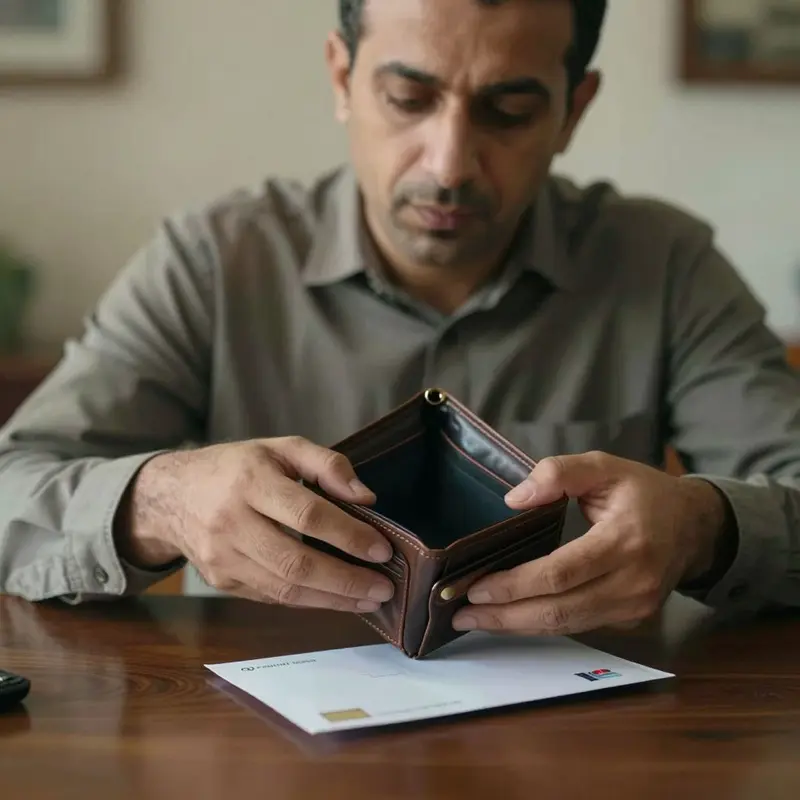
Ever notice how getting a handle on impulse spending reshapes your entire approach to budgeting? It directly impacts the operational trade-offs you face daily. You’ve got to know your cash envelope status in real time: no exceptions. Most digital tools simply can’t deliver this basic need.
Budgeting apps depend on nightly bank updates or manual entries. This creates dangerous gaps when tracking physical cash. Your app might show healthy reserves while your actual envelopes run empty. Real time accuracy improves only 30-50% with AI when data quality is high. But that’s a rare scenario for cash transactions.
Let’s look at where popular tools stumble:
- QuickBooks and Xero give you visual dashboards, but tracking physical cash requires manual input. They completely lack envelope-style allocation.
- Standalone apps like Float excel at business AP/AR automation. Yet they fall apart for personal use without bank integrations.
- Personal apps such as Monarch Money track net worth effectively. But real-time cash monitoring? Envelope categorization? Both are missing.
These shortcomings push you toward error-prone spreadsheets. Here’s the real problem: your cash spending patterns stay invisible in holistic financial views. You start doubting your forecasts precisely when envelope discipline matters most.
Closing these visibility gaps could finally enable seamless integration between psychological spending control and modern money management. Future solutions, including advancements in AI in future finance, must bridge this operational chasm to serve cash envelope budgeting effectively.
Future outlook: Closing the operational gap in hybrid budgeting

Let’s be real. Cash envelope budgeting isn’t just for your grandma’s checkbook anymore. It’s going digital. Market leaders like Goodbudget are turning those physical envelopes into virtual categories for groceries or weekend fun. But here’s the catch. Free versions hold you back. They’ll make you pay $10 monthly for bank syncing and unlimited envelopes. Why? Because this hybrid approach mixes physical cash for variable spending with apps for tracking. And it’s accelerating fast as inflation pushes people toward tactile control.
By 2026, expect integrated solutions where psychological guardrails meet modern tools. Here’s what’s changing according to the latest 2025 money trends:
- Goodbudget and MyBudgetCoach now handle zero-based budgeting digitally, making every dollar earn its place like YNAB or EveryDollar
- Apps like Honeydue and Monarch Money finally let couples sync across devices and share budgets
- Coaching add-ons target overspending habits for $64.99 monthly
These fixes address a real gap. Digital trackers just don’t hit the same. You can always tap ‘ignore’ on that overspending alert. That’s why users still grab physical envelopes for groceries while apps handle rent and bills. What’s next? Maybe AR cash simulations or cash app syncing to keep people hooked. But Android and PC limitations, like Copilot functionality, could slow this down.
Here’s the hard truth. Budgeting apps must bridge this operational gap to serve cash envelope users well. Right now, the competition is racing to add features that merge planning with tangible control. If you’re a budget-conscious millennial, this hybrid approach gives you both peace of mind and modern convenience. Cash envelope budgeting’s comeback proves something important. Discipline alone won’t cut it. You need the right tools in your pocket.
Final thoughts
Cash envelope budgeting succeeds where apps consistently fall short by transforming abstract limits into tangible reality. The physical act of handling cash creates unavoidable spending boundaries that trigger immediate behavioral changes, reducing impulse purchases and emotional spending cycles. While digital tools offer convenience for fixed bills, they lack the visceral feedback that rewires financial psychology, making cash indispensable for variable spending categories like groceries and dining out. This fundamental gap explains why tangible constraints drive deeper habit formation than virtual tracking alone.
The future belongs to hybrid systems that preserve cash’s psychological edge while integrating modern conveniences. Cash envelope budgeting proves discipline requires more than willpower; it demands tools that make limits impossible to ignore. As inflation reshapes spending habits, this method offers budget-conscious millennials a proven path to financial clarity. Consider how embedding tangible control into your routine could transform not just your budget, but your entire relationship with money.
Ready to take control of your financial future with smart strategies and expert insights? Contact OnInitiative.com ([email protected]) today and let our team help you make informed, confident decisions with data-driven financial solutions!
About us
OnInitiative.com is an innovative marketplace that helps e-commerce businesses boost productivity and community growth through advanced automation tools.
5 money decisions to make before 2026
Dec 16, 2025
Further reading


Leave a comment