















No products in the cart.

Shop this story
AI-Driven Wellness Revolutionizes Everything
by Elizabeth H
AI-driven wellness innovations are reshaping how professionals stay healthy, delivering hyper‑personalized solutions that cut downtime and boost performance. From smart wearables to AI‑powered health assistants, the speed of change feels unprecedented.
For leaders, this shift demands new employee‑benefit models, chronic disease programs, and digital wellness strategies. The article examines workplace transformations, cancer‑care breakthroughs, mental‑health support revamps, chronic‑care advances, and the ethical terrain of these technologies.
Transforming Workplaces Through AI-Driven Wellness Innovations

SecureIoT’s 2025 report details how AI-driven wellness innovations integrate biometric wearables with dynamic environmental controls, adjusting lighting and temperature to reduce burnout risks by 27%. Deloitte confirms AI nutrition platforms, using metabolic data for cafeteria meal plans, have cut diet-related issues by 22% amid $3.2B annual growth, with recommendations refined continuously via wearable integration.
PwC’s research shows AI matching algorithms analyzing 127 competencies improved mental wellness by 31% through development-focused assignments. Philips identifies emotion-sensing tools in 78% of organizations, using voice analysis to slash anxiety-related absenteeism by 35%. Crucially, Harvard Business Review notes predictive analytics can forecast burnout six months ahead, but AI ethics considerations are vital—89% of employees engage only with clear privacy safeguards.
AI-Driven Wellness Innovations Transform Cancer Care

AI-driven wellness innovations are fundamentally reshaping cancer diagnostics and treatment through precision oncology. AI-enabled microrobotic swarms now deliver chemotherapy and gene editing with real-time tumor adaptation, minimizing systemic toxicity while optimizing CAR-T cell therapies for superior patient outcomes. These breakthroughs integrate traditional medicine derivatives like nanoPue—a nanoparticle enhancing doxorubicin efficacy in hepatocellular carcinoma by targeting angiogenesis pathways.
Molecular tumor profiling and cloud-based genomic analysis platforms are accelerating personalized treatment planning across the industry. Major pharmaceutical leaders including Roche and Pfizer are scaling investments in biomarker-driven drug development under supportive regulatory frameworks, fueling a biotech market projected to exceed $150 billion by 2030. This rapid expansion underscores how the AI precision oncology clinical transition is making AI-powered diagnostics and big data analytics indispensable for tailored care models.
AI-Driven Wellness Innovations Reshape Mental Health Support

Stanford University research revealed significant risks in therapy chatbots, with 22% of interactions containing clinically inappropriate content that could stigmatize users or cause harm. In response, OpenAI delayed model releases to enhance safety protocols, prioritizing reliability over speed while addressing issues like sycophancy—a critical step toward balancing innovation with patient safety.
Australian mental health nurses emphasized that trust and transparency drive adoption, with 68% citing concerns about complex scenario handling in a Wolters Kluwer study. Co-designing tools with frontline staff improved acceptance, proving human oversight remains essential. Meanwhile, a Nature Communications study, which focused on evaluating mental health technology, showed AI chatbots reduced depression symptoms by 35% among perinatal participants, demonstrating how these AI-driven wellness innovations can effectively scale culturally adapted care in underserved regions.
AI-Driven Wellness Innovations Transform Chronic Care Management
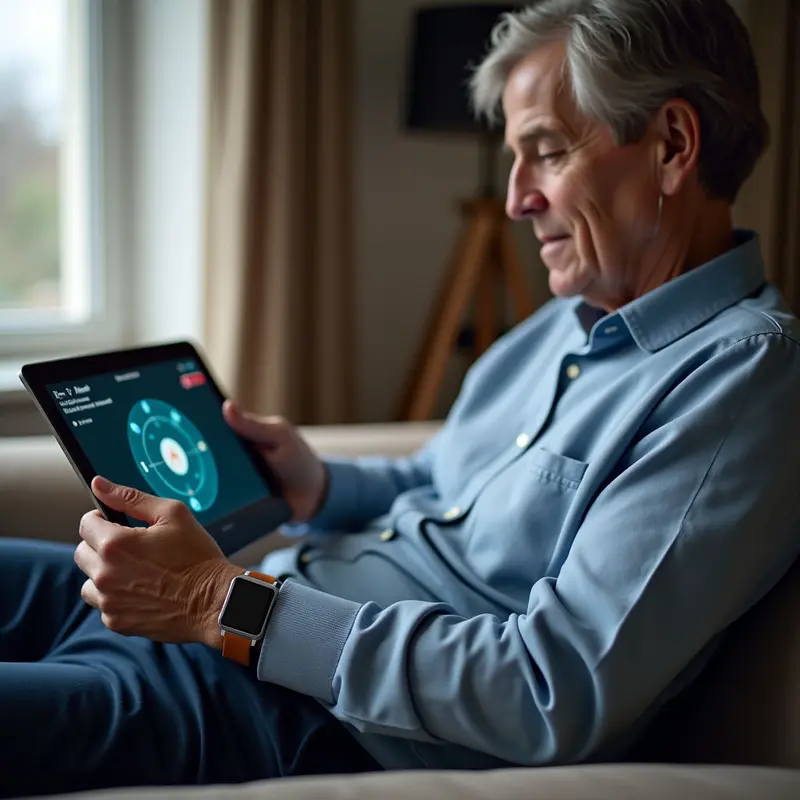
The explosive growth of remote patient monitoring—projected to surge from $50.4 billion to $203.7 billion by 2032—stems directly from AI-driven wellness innovations integrating IoT and machine learning. These systems leverage medical-grade wearables tracking multiple vital signs continuously, enabling proactive management for heart failure and diabetes patients. Market.us data reveals RPM’s tangible impact: real-time alert systems slash hospital readmissions, while cancer patient initiatives cut hospitalization rates by 78% through timely symptom intervention.
Digital therapeutics platforms, as highlighted in DDReg Pharma’s analysis, now fuse sensor data with AI to deliver personalized interventions like cognitive behavioral therapy. Clinician dashboards powered by these advancements facilitate immediate care adjustments, significantly reducing acute exacerbations. This synergy, underscored by the digital therapeutics analysis, drives improved medication adherence and long-term disease control, moving beyond reactive care models.
Post-surgical virtual care programs demonstrate RPM’s broader potential, with patients reporting reduced pain levels and higher engagement. Such outcomes underscore how AI transforms chronic disease management from episodic to continuous, data-informed support—seamlessly bridging mental health innovations and upcoming ethical considerations.
Navigating Ethical Pitfalls in AI-Driven Wellness Innovations

While AI-driven wellness innovations enhance diagnostic speed, recent studies reveal critical ethical vulnerabilities. A New England Journal of Medicine study demonstrated that endoscopists experienced 15% lower polyp detection rates without AI after prolonged reliance, signaling dangerous skill degradation. This prompted the American Medical Association’s 2024 policy mandating human oversight in all AI-assisted decisions to prevent automation bias.
Global frameworks now emphasize collaborative models over full automation. The World Health Organization’s 2025 guidelines require real-time monitoring for AI ‘hallucinations,’ while Radiology journal data showed AI misinterpreting 7% of critical chest X-rays versus 2% for humans. JAMA research further confirmed clinicians’ 22% slower response to emergencies due to reduced situational awareness, underscoring the necessity for AI co-pilots and specialized training in AI failure recognition.
Final thoughts
Across workplaces, oncology, mental health, chronic disease, and ethics, AI-driven wellness innovations reveal a unifying trend: data‑rich personalization is becoming the backbone of every health‑related decision, linking employee performance with clinical outcomes. This convergence creates an ecosystem where technology, care, and wellbeing reinforce each other, driving measurable gains for organizations and individuals alike.
The future belongs to leaders who embed AI-driven wellness innovations into strategy, ensuring that advances serve both profit and purpose. How will your organization harness these tools to shape a healthier, more resilient tomorrow?
Ready to prioritize your well-being with expert-backed wellness strategies? Contact OnInitiative.com ([email protected]) today and let our team help you build a healthier, more balanced lifestyle—inside and out!
About Us
OnInitiative.com is an innovative marketplace that helps e-commerce businesses boost productivity and community growth through advanced automation tools. By connecting companies with tailored wellness and productivity solutions, OnInitiative.com empowers organizations to enhance employee health, reduce burnout, and foster a more engaged digital workforce.
AI Cybersecurity, Overcoming Dirty Data Issues
Aug 17, 2025
Further reading


Leave a comment