
















No products in the cart.

Shop this story
AI-Powered Wellness: Enhancing Mind and Body Health
by Anabel Figueroa
AI-powered wellness is reshaping our approach to mental and physical health by using intelligent technologies to provide tailored support. With AI, we gain access to personalized mental health solutions, fitness coaching, and holistic health monitoring. This article will explore AI’s impact on mental health through digital therapies, its role in physical fitness, innovations driving AI wellness, the economic advantages it offers, and the transformative potential of wearable technologies.
Revolutionizing Mental Health: AI-Powered Wellness and Insights

The integration of AI-powered wellness tools is reshaping the landscape of mental health support. By 2025, sophisticated algorithms can discern subtle indicators of depression and anxiety through analysis of speech, text, and behavior, often identifying issues earlier than traditional methods. These AI tools provide mental health professionals with critical early warnings and actionable insights. While promising, this technology raises significant privacy concerns about the sensitive data it collects.
AI therapy chatbots have become widely used as accessible mental health tools, providing support and coping techniques to a global audience. Using natural language processing and machine learning, these chatbots engage users in empathetic dialogues and offer strategies like guided meditation. Although effective, they are not substitutes for human therapists, with limitations in comprehending complex emotions or emergencies.
Moreover, AI mental health apps and chatbots can pose risks like “AI psychosis.” This phenomenon occurs when AI interactions exacerbate delusions, underlining the importance of mental health expert collaboration. To better understand the societal impacts and to ensure informed use, examining the ethical and security implications in articles such as Is Technology Right For You is vital. Through advanced AI-driven tools and critical evaluations, AI continues to enhance the way mental health is managed, promising a future of early detection and targeted support.
AI-Powered Health Revolution: Innovating Physical Wellness

The landscape of physical wellness is undergoing a significant transformation with the integration of AI-powered wellness solutions. At the forefront of this change is personalized fitness coaching that leverages AI technology to provide bespoke exercise regimens, paired with virtual trainers offering real-time feedback. These AI systems are enhanced by human pose estimation, ensuring optimal workout forms while minimizing injury risks.
Nutrition management has also seen significant advancements as AI-driven meal planning tailors dietary recommendations based on personal activity levels. This not only optimizes nutrition but aligns with individual health goals. In tandem, AI empowers devices like Fitbit and Garmin to continuously monitor health metrics such as heart rate and sleep patterns, enriching users’ wellness tracking routines.
Moreover, clinical environments leverage AI-driven platforms that synthesize data from electronic health records and fitness devices, furnishing patients and doctors with actionable insights. These insights promote healthier lifestyle choices while facilitating remote monitoring of chronic conditions like hypertension. A notable application is AI’s role in predicting and managing glucose levels in pre-diabetic patients, which helps in forestalling diabetes through customized dietary and medicinal plans.
Additionally, AI’s contributions to radiology—with enhanced image analysis—are revolutionizing the detection of conditions such as breast cancer, offering precision that complements the expertise of clinicians. Explore further how AI is redefining diagnostic precision and healthcare practices.
Revolutionizing Health Management with AI-Powered Wellness Tools

The year 2025 marks significant advances in ai-powered wellness, magnifying personalized health management through technology. Innovations like Aetna’s AI-driven clinical care summaries revolutionize healthcare, boosting nurse efficiency by saving 90 minutes a day, enabling more personalized patient engagement. Additionally, AI algorithms in wearable devices transform them into sophisticated health companions, offering precision in tracking vitals and biometrics such as heart rate variability, sleep quality, and stress levels. These smart devices, including advanced smartwatches and emerging AI-powered glasses, provide real-time insights and health coaching, blending seamlessly with smartphones and health apps.
AI continues to shape patient-provider dynamics, enhancing communication and reducing administrative burdens. AI chatbots conduct preliminary consultations and offer medical guidance, streamlining processes and cutting down on unnecessary emergency room visits. Technologies like the DAX Copilot assist in reducing documentation time, allowing doctors to focus more on patient interactions.
Moreover, AI companions cater to aging populations, reducing social isolation by engaging in lifelike conversations and cognitive activities. Ethical considerations such as privacy and data consent are crucial but managing these offers a personalized touch to senior care. For more on leveraging AI innovation in wellness, explore our wellness blog on AI and digital tools.
AI-Powered Revolution: Unveiling Economic Gains in Wellness
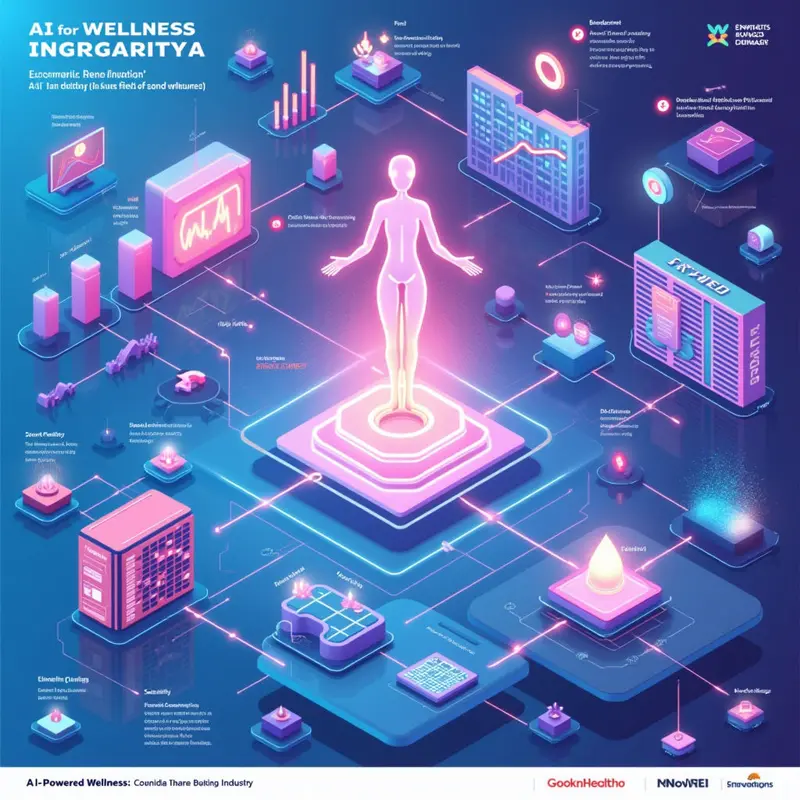
The burgeoning field of AI-powered wellness is reshaping the economic landscape of the wellness industry by ushering in a new era of efficiency and innovation. Automation driven by AI is pivotal in achieving substantial cost savings, streamlining operations, and creating lucrative new business niches. By automating repetitive duties like paperwork, billing, and patient communication, AI minimizes human errors and accelerates processes, allowing healthcare facilities and wellness centers to optimize their workforce.
A noteworthy example is a rural hospital that leveraged AI for coding, resulting in a staggering 40% boost in coder productivity, culminating in over $1 million in financial gains. These efficiency improvements not only reduce operational expenses but also enhance service quality by freeing healthcare professionals from administrative burdens. The global projection of AI adding approximately $15 trillion to the economy by 2030 highlights its transformative potential across wellness and healthcare sectors.
Beyond operational efficiency, AI is birthing new business opportunities in hyper-personalized services, such as fitness coaching and nutrition platforms tuned to individual needs. Innovations like VR-assisted mental health support and AI-driven nutrition analysis are poised to redefine personalized care. Interested parties can explore AI’s economic benefits in healthcare to understand the strategic advantages of adopting AI technologies.
Transformative Wearables: AI-Powered Technologies for Health
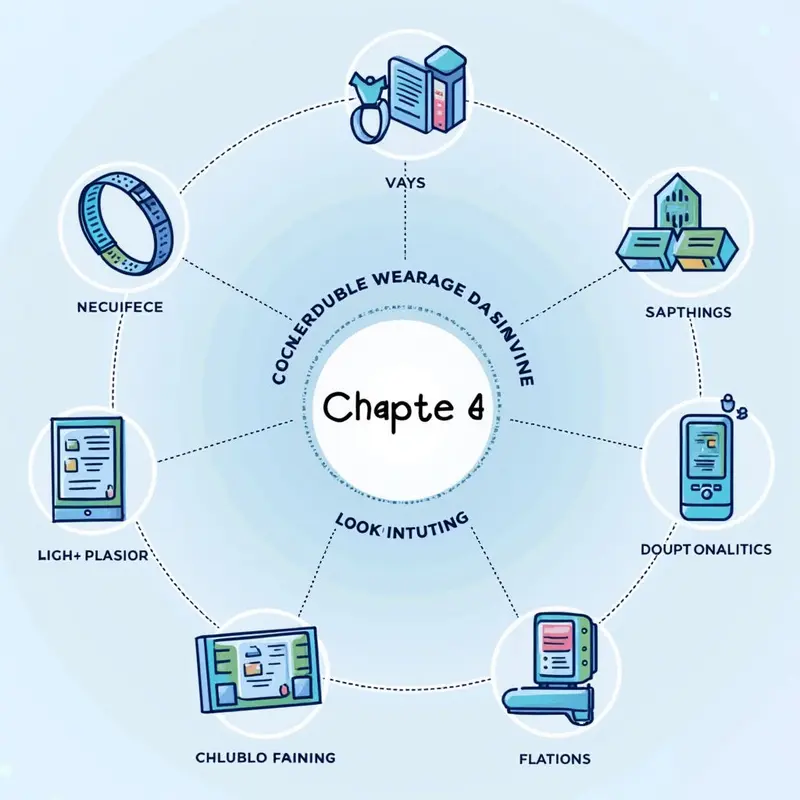
AI-driven wearable technologies are at the forefront of transforming healthcare by seamlessly integrating continuous biometric data collection with advanced algorithms. Devices like smartwatches and rings utilize AI-powered wellness strategies to detect health anomalies early, such as cardiovascular irregularities or inflammation. These wearables offer more than just fitness tracking; they provide proactive disease management through real-time personalized alerts even before symptoms manifest. Proactive disease management is crucial in today’s health landscape, ensuring that users stay one step ahead of potential health issues.
One example is the Embrace2 smartwatch, which leads in clinical-grade monitoring. This FDA-approved device employs AI-enabled biosensors to predict epileptic seizures by analyzing electrodermal activity alongside movement data. Such technology exemplifies how AI-enhanced biosensors can deliver vital health insights directly from your wrist.
However, challenges like ensuring clinical accuracy and preventing alert fatigue remain. Engineers are continually refining machine learning models using diverse real-world data to enhance performance. Additionally, addressing data security and ensuring smooth interoperability with electronic health records is critical for broader adoption.
For those intrigued by the intersection of AI and lifestyle, our article on elevate your car experience may offer insights into other AI-driven transformations. Such innovations illustrate how AI-powered wellness is revolutionizing not only personal health but lifestyle experiences across the board.
Final thoughts
AI-powered wellness is more than a technological trend; it’s a revolution in personalized health management. By integrating AI into mental health therapies, physical fitness regimes, and health tracking devices, we gain unprecedented insights and support for a healthier lifestyle. As AI continues to evolve, these tools will only enhance our ability to achieve optimal wellness, reduce stress, and improve productivity.
Ready to upgrade your everyday life with smarter choices and inspired living? Contact OnInitiative.com ([email protected]) today and let our experts help you design a lifestyle that aligns with your goals and values!
About Us
OnInitiative.com is a digital innovation partner that empowers professionals and organizations to design smarter, more fulfilling lifestyles. Through custom software solutions, productivity tools, and travel-tech integrations, we help people reclaim time, reduce stress, and make the most of every moment—whether at work, home, or on the road.
Embracing AI-Driven Personalization in Home Decor
Jul 29, 2025
Apple AI Leap: Metal 4 and a $500 Billion Vision
Aug 4, 2025
Further reading


Leave a comment