














No products in the cart.

Shop this story
7 slow-travel escapes defining the 2026 season
by Elizabeth H
More travelers are starting to realize that collecting passport stamps is not the same as feeling genuinely changed by a journey. The race to see and do everything in a few rushed days is losing its appeal, replaced by an urge to stay longer, move slower, and let a place rewire the senses. From car free islands to hillside quarters where time feels layered, the next wave of exploration belongs to those who are willing to trade speed for depth.
That shift is shaping a new map of slow travel destinations in 2026, and it reaches far beyond a single country or climate. Across continents, thoughtful hubs are emerging that prioritize presence over pressure, weaving together wellness, culture, sustainability, and community rooted experiences. This article follows seven of those escapes, tracing how intentional design, preserved heritage, and wild landscapes invite you not just to visit, but to participate in a different rhythm of life.
1) Mackinac Island, Michigan, USA: A car-free island built for slowing down
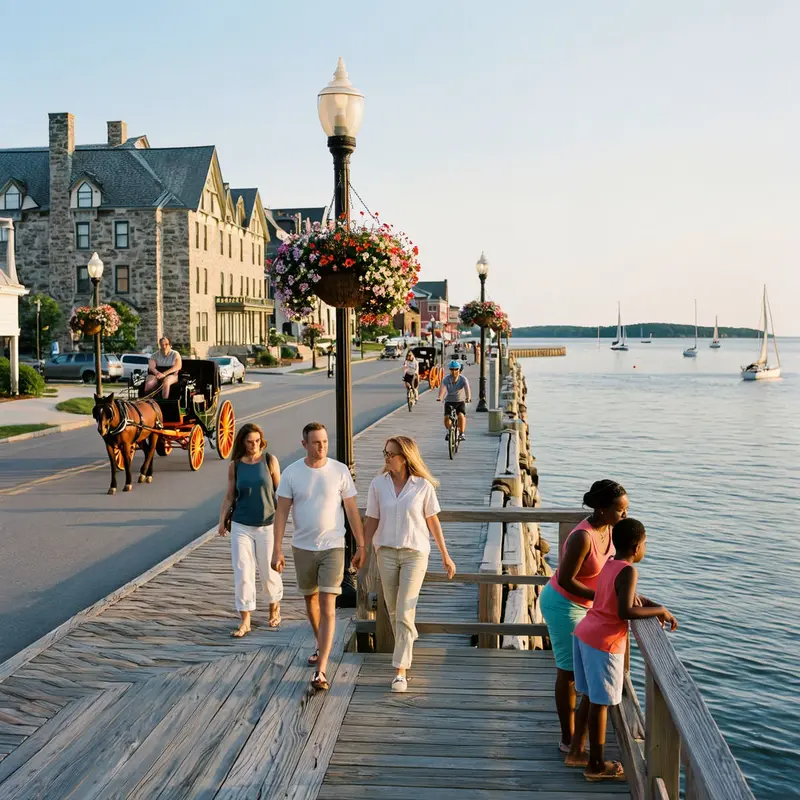
Picture arriving somewhere that strips away every modern rush before you even step onshore. That’s exactly what Mackinac Island does, and it’s one of the most compelling slow travel destinations in 2026 for anyone craving a genuine reset.
Ferry services from Mackinaw City and St. Ignace carry you to this 3.8-square-mile pocket of Michigan, where cars haven’t existed for well over a century. The island opens only between May and October, so every visitor arrives during a season of full, unhurried intention. Once you land, the contrast with ordinary life is immediate and total.
What makes Mackinac so distinctive is the deliberate infrastructure of slowness built into every corner of the island:
- No cars, ever. The island relies on more than 500 horses for transportation, filling streets with the rhythmic sound of hooves rather than engines.
- Over 70 miles of walkable trails wind through terrain that’s largely protected state park land, rewarding those who move at a human pace.
- Ferry access only. The deliberate journey by water sets a tone of arrival that primes the mind for rest before you even reach the dock.
This isn’t just charming novelty. Research consistently links slow travel experiences to measurable wellness outcomes, including mental clarity and reduced anxiety, and many travelers now weave in short micro-adventure travel escapes to protect work, life balance.
Over a million visitors make their way here during the summer months each year, and yet the island’s car-free design prevents the frantic overcrowding that plagues so many popular destinations. You’re not competing with traffic or noise. You’re simply present.
It’s also worth knowing that Michigan recorded a 10.2% reduction in Canadian visitors in 2025. That means 2026 could bring a slightly quieter, more intimate season for those traveling from within the United States.
Mackinac Island proves that the most profound travel experiences are often the ones that take the most away from you, starting with your car keys. Surrendering pace and noise to gain depth and presence. That’s the quiet promise this island keeps, and it’s one worth showing up for.
2) Luang Prabang, Laos: UNESCO riversides where hurry unravels
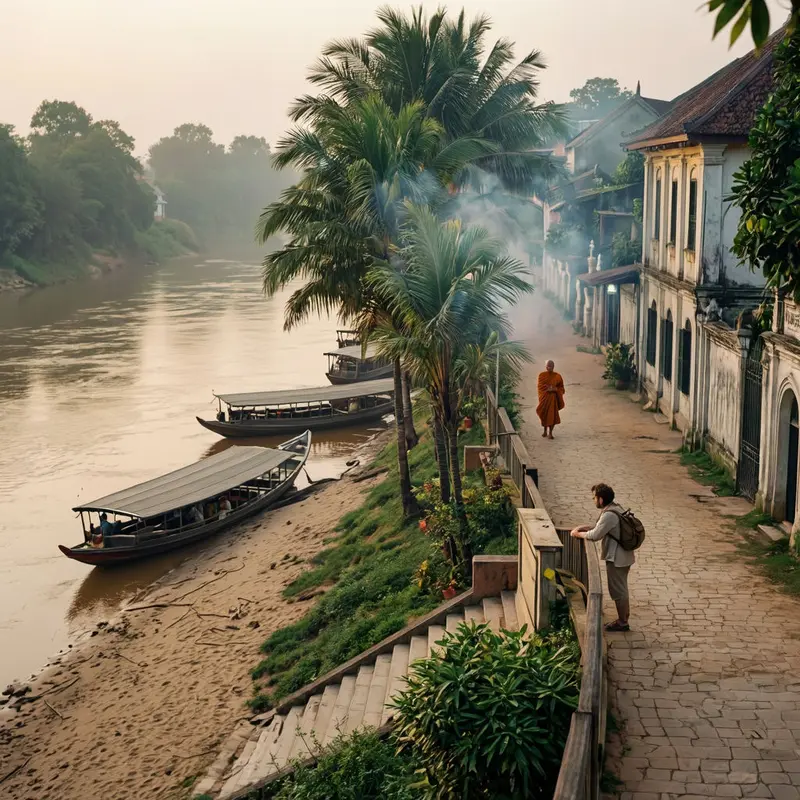
Luang Prabang makes surrender feel almost effortless. Where Mackinac asked you to leave behind your car keys, this ancient Laotian city asks for something even more radical: your hurry.
Nestled at the confluence of the Mekong and Nam Khan rivers, Luang Prabang earned its UNESCO World Heritage designation in 1995, and it was well-deserved. The city’s identity is inseparable from the layering of two worlds: centuries-old Lao Buddhist temples standing in quiet conversation with the colonnaded facades of French colonial architecture. History didn’t just survive here. It got woven into the fabric of everyday life, and a thoughtfully curated Luang Prabang travel guide can help you navigate that living tapestry without rushing it.
For anyone exploring the richest slow travel destinations in 2026, Luang Prabang offers a kind of cultural depth that’s genuinely rare. The experiences that define it are unhurried by design:
- Wat Xieng Thong, built in 1560 and positioned gracefully along the Mekong riverbank, is the spiritual heart of the city. Visiting at dawn, when mist still clings to the water, is an experience that rewards patience above all else.
- Alms-giving rituals unfold each morning as saffron-robed monks move silently through the streets. Witnessing this ceremony means waking before sunrise, slowing down, and simply being present.
- Drumming ceremonies at Wat Xieng Thong mark the rhythms of the Buddhist calendar and draw visitors into a cultural pulse that no itinerary can manufacture.
These aren’t curated tourist performances. They’re the living expressions of a community whose identity has been preserved precisely because the city chose preservation over commercialization.
That choice is what makes Luang Prabang so quietly radical. You don’t consume it. You participate in it.
As a slow traveler, you’ll find that the city’s pace gradually recalibrates your own. After a few mornings of walking temple corridors and watching the river carry its slow cargo of light, the idea of rushing anywhere begins to feel genuinely strange. That recalibration is the real souvenir. From this riverside sanctuary rooted in cultural preservation, the journey continues toward a very different kind of slow city: one built around canals, bicycles, and a flourishing arts scene in the heart of northern Europe.
3) Ghent, Belgium: Engineered calm on medieval canals
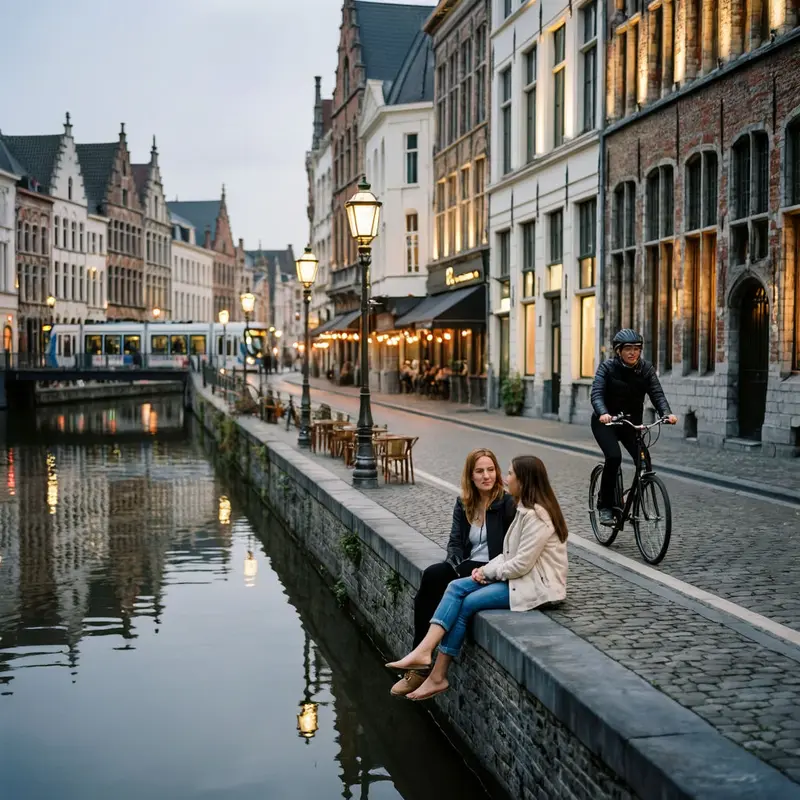
Ghent is where that recalibration actually lands. This medieval Belgian city didn’t stumble into slowness. It engineered it deliberately, restructuring its streets so that calm became the default, not the exception.
In 2017, Ghent introduced a bold circulation plan that cut car traffic by over 50%. That single decision reshaped everyday life: cycling became normalized, pavements quietened, and the canal network transformed from a scenic backdrop into the actual circulatory system of the city, setting a benchmark for truly mindful slow travel. For anyone searching for authentic slow travel destinations in 2026, Ghent offers something rare. Proof that a city can choose a different pace and make it stick.
What makes the experience so layered is how each element works together:
- Electric tourist boats glide across the canals, eliminating engine noise and letting the waterways breathe. You travel through the city without disturbing it.
- Headphone-guided tours deliver rich historical commentary while keeping ambient sound intact, so the cobblestone streets retain their natural hum.
- Sustainable energy grids underpin the city’s car-lite ambition, supporting the quiet infrastructure that makes the whole system feel effortless rather than performative.
Together, these choices create something you can actually feel within hours of arriving.
You don’t need an itinerary here. You need a bicycle, an appetite for Flemish art, and a willingness to let a canal determine your route. Wander into a neighborhood café, and you’ll find that Ghent’s arts scene isn’t curated for tourists. It’s simply alive, threaded through galleries, street facades, and the unhurried conversations of people who live here. The city’s clean canals amplify this effect, making boat tours feel less like sightseeing and more like floating meditation.
Ghent shows that infrastructure and inspiration aren’t opposites. And as the journey continues, that same appetite for place-led discovery carries forward into the truffle forests, hilltown roads, and vine-laced culinary backroads of inland Istria.
4) Inland Croatia (Istria): Truffle roads, quality-first tourism
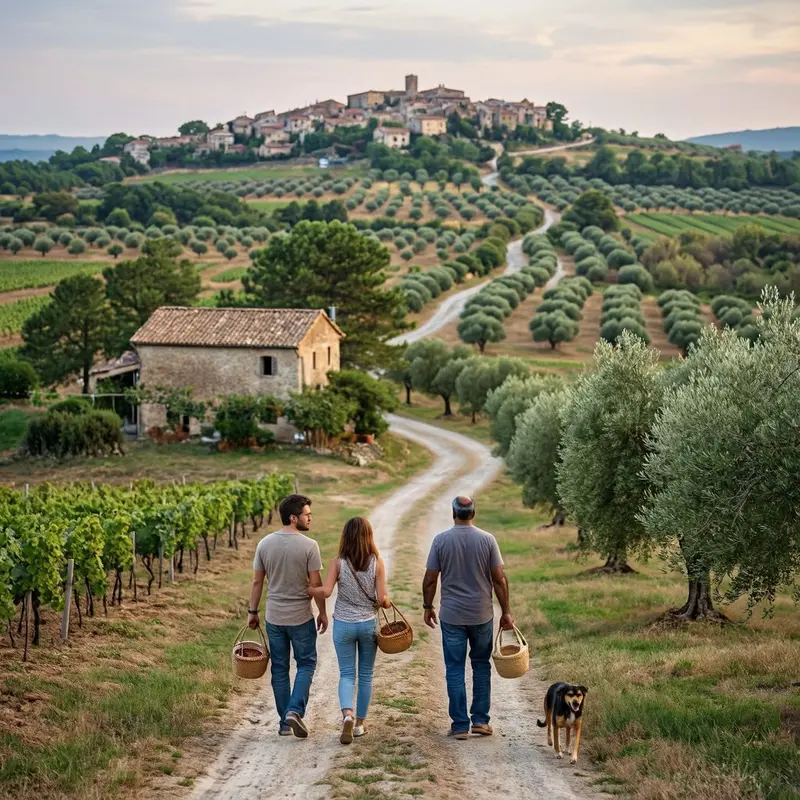
Those truffle forests don’t disappoint.
In Istria, the road itself is the reward. You wind between medieval hilltowns, vine-draped valleys, and cellars where winemakers still measure time in harvests rather than hours.
What makes inland Istria one of the most compelling slow travel destinations in 2026 is a deliberate turn away from mass tourism. Tourism leader Denis Ivosevic describes a fundamental shift: prioritizing quality over volume, protecting heritage while making sure the benefits reach both visitors and local residents. Istria already recorded roughly 30.3 million overnight stays in 2025, making it Croatia’s leading tourism region and accounting for approximately one-third of the country’s total tourism traffic. That scale could easily tip toward overcrowding. Instead, the region is steering toward something far more intentional, echoing a broader Istrias sustainable tourism shift.
Several forces are actively shaping this transformation:
- Pula Airport expanded to 30 international and 4 domestic routes in 2026, with routes launching earlier than in previous years to extend the travel season and support year-round culinary and wine tourism.
- Minor Hotels is preparing to open the Anantara Adriatic Istria Resort in early 2027, a 186-key property designed around curated cultural and nature-based programmes rather than standard resort amenities.
- Targeted B2B outreach is introducing Istria to American luxury travel planners in May 2026, centering on heritage experiences and cultural authenticity rather than coastal spectacle.
Together, these moves signal a region betting confidently on depth over footprint.
For the slow traveler, that bet pays off the moment you arrive. Picture pulling into a hilltown at dusk, following the faint, earthy scent of fresh truffles to a family table, a glass of Malvazija already poured. Istria earns its place quietly, without urgency or performance.
That spirit of place-rooted discovery carries naturally into the journey ahead, where an Afro-Caribbean coastline and a living wildlife corridor offer their own unhurried invitation to connect with something wild and authentically alive.
5) Puerto Viejo, Costa Rica: Afro-Caribbean rhythm, surf, and regenerating jungle
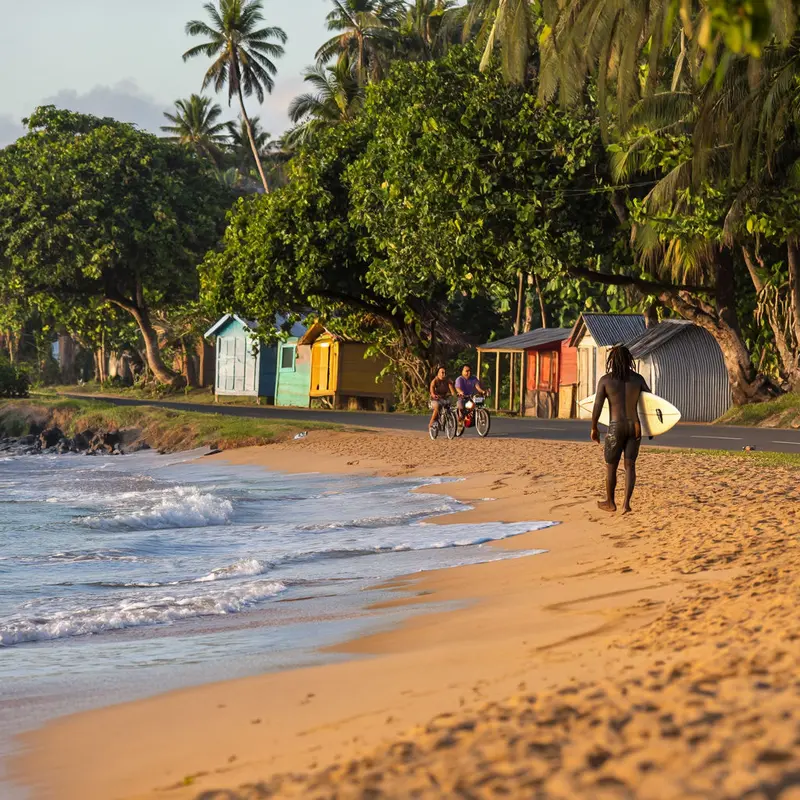
That invitation hits loudest on Costa Rica’s southern Caribbean coast, where Puerto Viejo de Talamanca doesn’t just welcome you. It pulls you in.
This is a place where Afro-Caribbean rhythm, serious surf, and regenerating jungle don’t compete for your attention. They exist as one continuous experience. As one of the most compelling slow travel destinations in 2026, Puerto Viejo earns its reputation through depth, not spectacle. You won’t find a resort strip here. You’ll find a community tuned into broader wellness currents like digital decluttering wellness, mindful movement, and intentional rest.
For anyone willing to slow down and look closely, the layers are remarkable:
- Playa Cocles ranks among the world’s top 100 beaches, celebrated for raw natural beauty and a surf culture that’s genuinely local, not manufactured for tourists.
- The Jaguar Rescue Center rehabilitates injured and orphaned wildlife, offering visitors a close, responsible encounter with the biodiversity of the surrounding corridor.
- Festivals and cultural events rooted in Afro-descendant heritage create authentic points of connection that go far beyond the surface of a typical holiday.
- Boutique hotels here prioritize local ownership, eco-consciousness, and cultural honesty, meaning your stay actively supports the community around you.
- Puerto Viejo’s Caribbean-facing position gives it sunny, dry conditions even during Costa Rica’s rainy season from May through November, expanding the practical window for a slow, extended visit.
The pura vida philosophy here isn’t a marketing slogan. It’s a lived practice, and it’s exactly what wellness-focused travelers are increasingly seeking as tourism trends project continued growth in this space through 2030.
Property values are rising as demand for longer-stay rentals grows. The world is catching on. Coming now means engaging with Puerto Viejo before its edges soften.
That same pull toward wildness and cultural authenticity carries forward naturally into the conversation about southern hemisphere wilderness trails, and a remarkable hub where frontier landscapes meet world-class contemporary art.
6) Tasmania (Hobart base), Australia: Wilderness lodges, art, and intact trails
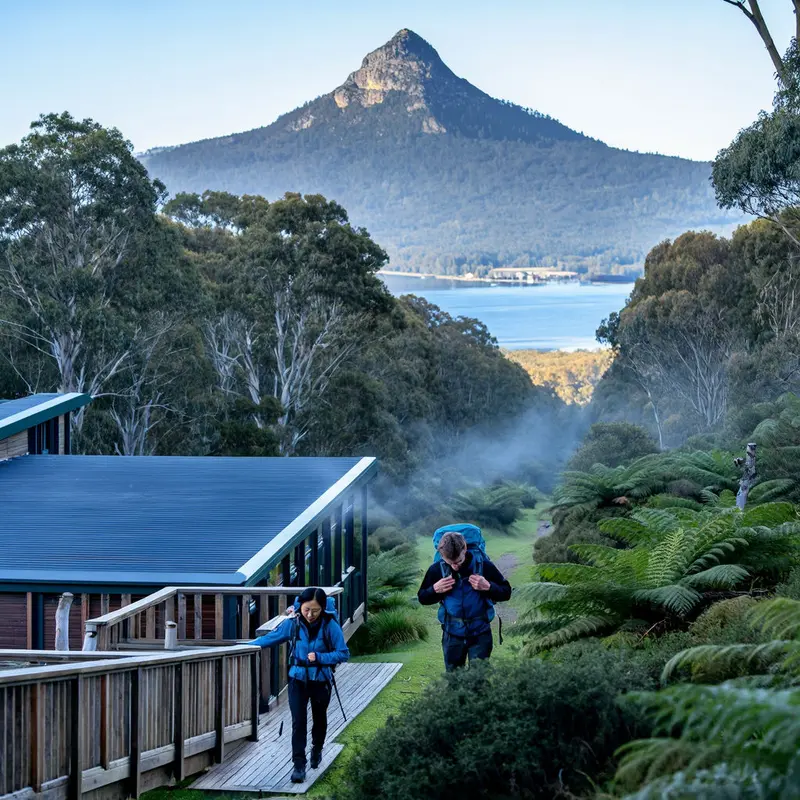
Tasmania answers that call directly. It puts you at the meeting point of raw frontier wilderness and a creative culture that punches well above its weight.
Hobart, its compact and walkable capital, is the ideal base for slow travelers. The city has grown into a thriving culinary and creative hub, drawing makers, chefs, and artists who’ve quietly transformed its waterfront into something genuinely surprising. From there, new and expanded hiking routes fan out into landscapes so intact they feel almost fictional. These trails are built for lingering, not logging miles, and that philosophy is exactly what makes any thoughtful Tasmania sustainable travel guide resonate with slow travelers in 2026.
What makes Tasmania’s offering so coherent right now is how its values align across every layer of the experience:
- UNESCO-protected forests surround wilderness lodges that run entirely on renewable energy, so your shelter is as considered as the landscape it sits within.
- Tasmania is actively reducing single-use plastics across its tourism sector, signaling a destination that takes long-term responsibility seriously.
- Moderate cycling tours are rising in demand, channeling visitor spending directly into local economies rather than international operators.
That combination of ecological integrity and economic intention is rare.
You don’t have to choose between depth and comfort here. A week based in Hobart lets you absorb the gallery scene and the harbor market in the mornings, then step onto a forest trail by afternoon. The wilderness isn’t a day trip. It’s the whole point.
Tasmania rewards travelers who move slowly enough to notice the details: the quality of light through ancient tree ferns, the warmth of a producer-driven dinner, the silence that greets you on a ridge above the cloud line. It’s a destination that insists on presence. And that insistence on depth, on texture, on something that stays with you, is exactly what a slow traveler comes looking for.
7) Granada (Albaicín), Spain: Winter miradors for unhurried views
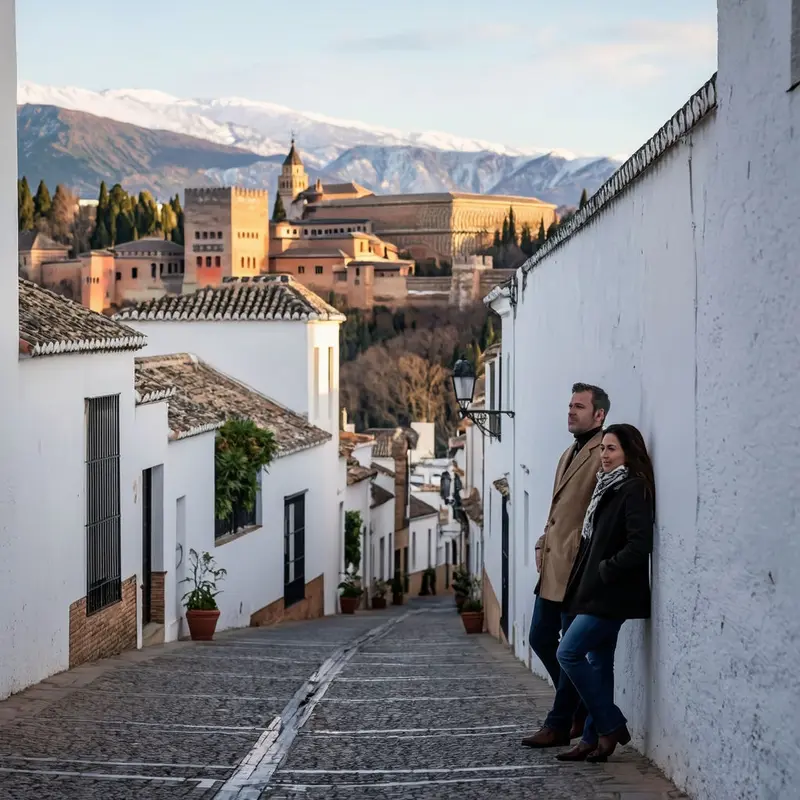
That hunger for depth and texture finds a powerful answer in the ancient hillside lanes of Granada’s Albaicín quarter, where every cobblestone path feels like it’s been worn smooth by centuries of quiet intention.
The Albaicín is a UNESCO World Heritage Site, and the moment you step inside, the designation makes complete sense. This is a neighborhood built into hillsides, its white houses stacked and winding in a distinctly Moorish architectural tradition that has outlasted almost everything around it. The geometry is unhurried. The walls lean close. You don’t pass through the Albaicín so much as you get absorbed by it.
For the slow traveler, the real reward is in the miradors: the elevated viewpoints scattered across the quarter’s ridges. From the most celebrated of these, you look directly across to the Alhambra palace, its red towers holding their color against the Sierra Nevada’s distant snowfields. That’s not a view you photograph and move on from. It’s one you sit with, measuring time by the shifting light and deepening your own mindful travel practices.
Consider visiting in February, when the Albaicín offers roughly 20 to 40% discounts on accommodation and experiences compared to peak season. For a traveler who prioritizes time over speed, that’s a meaningful difference.
Winter temperatures here typically range from 1 to 10°C (34 to 50°F). That briskness isn’t a drawback. It actually gives you something rare: nearly empty lanes, unhurried café tables, and a version of this place that feels genuinely inhabited rather than performed for visitors.
The Albaicín doesn’t reward rushing. It reveals itself slowly, in fragments, across multiple walks and different hours of the day. That quality of gradual revelation is exactly what makes it one of the most quietly compelling slow travel destinations in 2026. If you’ve been looking for a place that asks something of you and gives back more than you expected, the Albaicín’s white walls and hilltop miradors are waiting. Patient, as they’ve always been.
Final thoughts
Taken together, these seven escapes reveal a quiet revolution unfolding across the travel landscape. Places are choosing to protect stillness and heritage, invest in cleaner infrastructure, and extend their seasons so that visitors can arrive with less rush and stay with more intention. The cognitive reset of quieter streets, the economic benefits of longer, more mindful stays, and the social richness of genuine cultural exchange all meet in one shared idea, that travel works best when it leaves both traveler and destination stronger than before.
For anyone seeking slow travel destinations in 2026, the real invitation is to treat your next journey as a relationship, not a transaction. Give each place time to breathe, and allow your own pace to soften enough that small details have a chance to imprint. The most meaningful itineraries will not be measured in distance covered, but in depth of connection felt. The question is no longer how far you can go, but how fully you are willing to arrive.
Ready to prioritize your well-being with expert-backed wellness strategies? Contact OnInitiative.com ([email protected]) today and let our team help you build a healthier, more balanced lifestyle, inside and out!
About us
OnInitiative.com is an innovative marketplace that helps e-commerce businesses boost productivity and community growth through advanced automation tools. By connecting companies with tailored wellness and productivity solutions, OnInitiative.com empowers organizations to enhance employee health, reduce burnout, and foster a more engaged digital workforce.
Further reading
Leave a comment