












No products in the cart.

Shop this story
You aren’t antisocial: When social energy stops feeling worth it
by Elizabeth H
Have you ever looked at a notification and felt tired before you even opened it? If so, you might not be antisocial at all. You might be dealing with social energy burnout, that slow drain that makes even low stakes connection feel like work. It’s confusing, especially when you do want people, just not the pressure.
This matters because exhaustion changes how you interpret yourself. When your “no” starts feeling like a personality flaw, guilt sneaks in and everything gets heavier. In this article, we’ll name what’s really driving the drain, from always-on expectations to the way performance replaces presence. Then we’ll talk about the signals your mind and body use to get your attention, and the practical ways to protect your energy while still keeping real connection in your life.
Social depletion and the hidden cost of being ‘on’

You know that heavy feeling after scrolling for hours, when even the thought of a casual chat feels like climbing a mountain? That’s not laziness. That’s social energy burnout: a quiet erosion of your inner reserves, fueled by the very tools that were supposed to connect us.
For young adults in cities especially, modern life has turned social interaction into a performance. Constant digital connection has created a strange paradox: more access, less presence. The pressure to look perfect, react instantly, and always be “on” is a relentless tax on your mental energy, which is why practices like digital decluttering for wellness are starting to feel less like a trend and more like a survival skill.
Here are the pressures quietly wearing you down:
- Social media feeds that showcase curated highlight reels, making your real life feel inadequate.
- The endless scroll that chips away at your sleep and self-esteem without offering real connection.
- The 24/7 news cycle that overwhelms you, even when you’re already digitally plugged in.
Over a billion people worldwide are feeling the fallout: anxiety, depression, emotional exhaustion. Gen Z didn’t invent this burnout, but they’re living through its peak intensity. Your phone doesn’t come with an off-switch. And when your sense of self gets shaped by likes and comments, your real self starts to fade.
This isn’t just about being tired. It’s about being emotionally drained by systems that reward performance over presence. You’re not antisocial. You’re reacting to a rhythm that isn’t sustainable.
Recognizing this psychological toll is the first step. As we look at the cultural shifts reshaping how we value social interaction, hold onto this: your exhaustion is data, not a defect.
Cultural shifts: When connection costs more than it gives
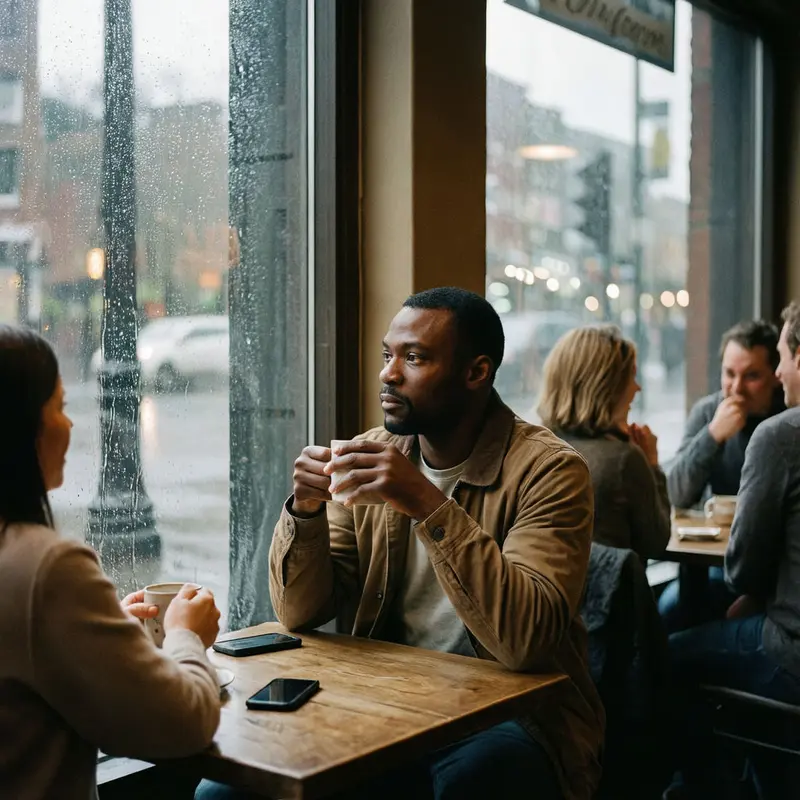
That emotional drain you’re feeling? It’s not a sign you’ve fallen behind. It’s a signal that the old social script no longer fits your energy, your values, or your life. You’re not antisocial. You’re adapting to a world where connection costs more than it used to, and the return isn’t always worth it.
Look at what’s happening across generations. Among older Canadian adults, social engagement is quietly fading. Only one in three participates in weekly group activities. More than half have reported loneliness since 2022. Over a third feel their social networks are weak. This isn’t just anecdotal. It’s a pattern of loneliness among older Canadians. And younger people are living it too. Roughly one in three teens now prefer to talk about sensitive issues online rather than face to face.
These aren’t failures. They’re adaptations. A quiet recalibration of what’s actually worth the effort. Social energy burnout isn’t a personal flaw. It’s a collective response to systems that expect performance but offer very little real presence in return.
You’re not broken. You’re recalibrating.
That shift in perspective matters. Because once you stop blaming yourself for not enjoying the noise, you start asking better questions. What kind of connection actually refills you? Who genuinely supports your rhythm? And how do you honor your limits without the guilt?
As you start noticing the signs of social fatigue in your own life, hold onto this: your weariness is data. It’s not a defect. It’s a compass, pointing you toward what truly matters.
Burnout indicators: When social fatigue becomes a signal
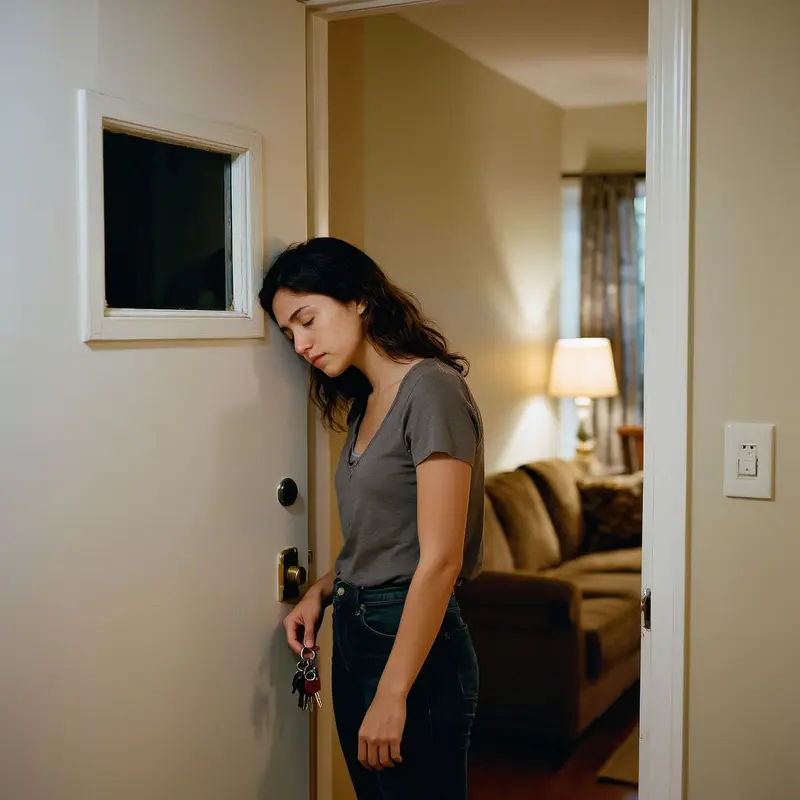
That quiet voice inside you isn’t weakness. It’s your system asking for a break. You’re not broken. You’re just picking up on signals that most people are too busy to notice: the signs of social fatigue.
This kind of weariness isn’t a character flaw. It’s useful information. Your body and mind are telling you, clearly, that something isn’t working.
Think of it like a fuel gauge. When your social tank runs low, the signs start showing up:
- You skip calls you used to look forward to.
- Small gatherings leave you more drained than you expected.
- You snap at minor things, avoid eye contact, or crave solitude in a way you can’t quite explain.
Those aren’t random quirks. They’re a pattern worth paying attention to. Here’s what that pattern often looks like up close:
- You feel mentally foggy or emotionally flat after social interactions, even ones you planned.
- You experience physical tension, tight shoulders, a clenched jaw, or sudden fatigue, not from exertion but from the effort of being “on”.
- You start declining invitations not out of malice, but because the mere thought of navigating small talk or managing group dynamics feels like scaling a mountain.
This isn’t antisocial behavior. It’s self-preservation. Your authentic self is just reclaiming some space.
Here’s the thing: the relief doesn’t come from pretending you’re fine. It comes from recognizing that this isn’t a problem to fix. It’s data to act on. Understanding these indicators is the first step toward honoring your own rhythm, without the guilt.
And this awareness doesn’t stop here. It sets you up for what comes next: building personal strategies that let you meet your social needs while protecting your inner peace, including planning small work life balance escapes that recharge you without overwhelming your schedule.
Personal strategies: Protecting your energy, not going dark
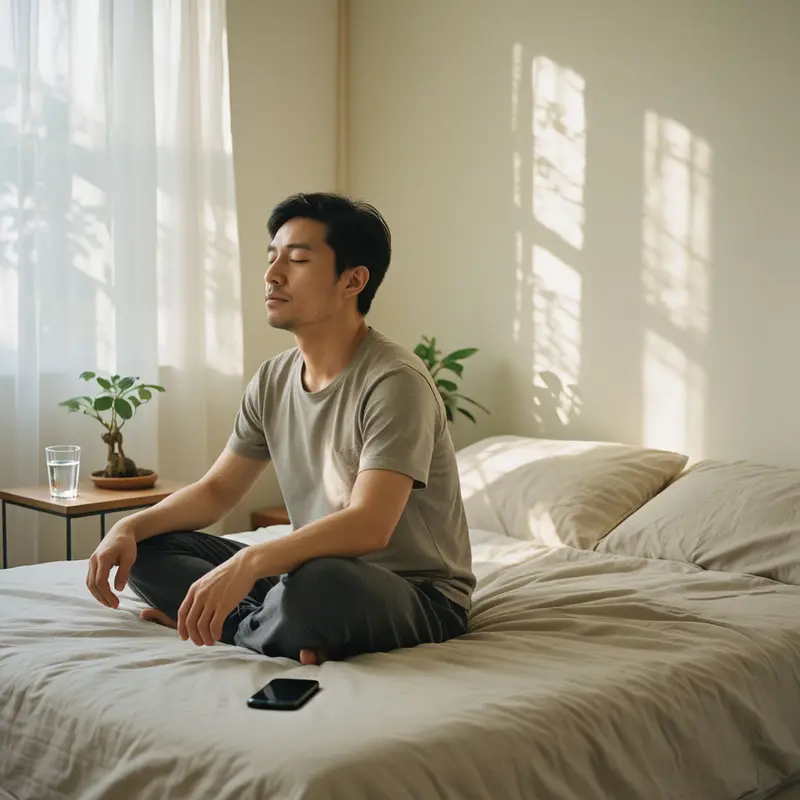
That awareness is your starting point, not just a reason to withdraw. It’s about building habits that honor your social needs without draining what little energy you have left.
You’re not bad at connecting with people. You’re just reacting to participation costs that were never sustainable. Think of it like a budget: your social energy is finite, and platforms like X, Instagram, or TikTok often take more than they give. Every scroll can feel like a performance, thanks to algorithmic pressure, and growing bodies of social media fatigue research confirm that these dynamics are wearing people down. So it’s no surprise that one in four adults deleted an app just to breathe. That’s not antisocial. That’s strategic.
Gen Z and Millennials tend to get this best. They’ve seen through the fakeness. Seventy percent left platforms over scams or inauthentic vibes. Eight in ten signed up for a single show, then canceled. That’s not impulsiveness. That’s subscription fatigue, a rational response to digital overload.
So what’s your move? Pick your battles. Here’s how:
- Choose low-fatigue platforms like Bluesky or Discord for authentic, low-pressure connection.
- Schedule small, non-negotiable escapes, a walk, a coffee alone, to reset your social battery.
- Audit your feeds ruthlessly. Unfollow anything that feels like labor instead of joy.
This isn’t about going silent. It’s about reclaiming control. When you decide your energy is worth protecting, you get to choose who and what gets access to it.
Next up: how technology itself can help you reset. Because sometimes, the right tool can turn digital noise into a quiet space for real restoration.
Digital detox: When constant connection becomes exhaustion

That’s the power of choice. When you stop treating your social energy like an infinite resource, you start seeing your digital life for what it actually is: a set of optional inputs, not mandatory obligations.
You’re not antisocial. You’re exhausted. And the research backs that up. What you’re feeling isn’t a character flaw. It’s digital burnout, a real condition caused by constant connectivity, not a lack of desire to connect. That stat about 73% of IT professionals reporting burnout symptoms? That’s information overload talking. It’s not about being weak. It’s your nervous system asking for a break.
You’re not alone in pulling back, either. Gen Z is already there, buying physical app-blocking devices not out of rebellion, but out of self-preservation. They’re not rejecting social life. They’re saving their energy for what actually matters.
Here’s what the evidence says works:
- Short digital detoxes can ease anxiety and depressive symptoms, giving your mind space to recover.
- Reducing screen time isn’t about isolation. It’s about deciding what connection is actually worth your energy.
- Digital fatigue is reversible. It doesn’t require quitting tech, just recalibrating your relationship with it.
This isn’t about deleting apps. It’s about letting go of the guilt around needing space and rethinking your tech use. Social energy burnout isn’t a failure. It’s a signal. A clear one.
The noise can be turned down. And in that quieter space, real restoration starts. As we look at community redefinition in a post-burnout world, you’ll see how the concept of belonging is shifting, and how you can shape that shift, not just adapt to it.
Future directions: How quiet resetters are rebuilding community

That quiet space you’ve carved out? It’s not just for rest. It’s where new forms of belonging are already taking shape.
Social energy burnout isn’t a sign you’ve failed at connection. It’s a signal that the old rules no longer work for you, and a growing number of people are starting to feel the same way as burnout reshaping social life becomes impossible to ignore.
You’re not alone in this. Here are the numbers, not as guilt-triggers, but as validation:
- 83% of workers report burnout, a staggering figure that’s reshaping how we show up for each other.
- 52% link that burnout directly to stepping back from social activities, not out of disdain, but from self-preservation.
- Gen Z, with 74% reporting moderate to severe burnout, is already pioneering quieter, more intentional ways to connect.
This isn’t a retreat. It’s a redesign. The 39% of 18 to 24 year olds who’ve taken stress-related leave aren’t quitting. They’re resetting. The 63% of teachers and 73% of IT pros burning out? Their exhaustion is forcing institutions to confront the real cost of ignoring human limits. And the 91% of adults feeling extreme stress, with only 27% supported by management? That gap is quietly fueling a revolution in how community gets built.
If you’re a thoughtful introvert navigating all of this, you’re not an outlier. You’re a key architect. The future of community isn’t about being everywhere. It’s about being present where it actually matters. It’s about choosing depth over breadth, presence over performance, and treating rest as a genuine act of belonging.
This is your invitation. You don’t have to force yourself into spaces that drain you. You can help build spaces that restore you. The post-burnout world isn’t waiting for you to fit in. It’s waiting for you to show up, exactly as you are, and define what connection truly means for you.
Final thoughts
If social life has started to feel overpriced, your reaction makes sense. Constant input, constant comparison, and the pressure to respond fast can turn connection into a second job. Once you see that pattern, the goal shifts from forcing yourself to “be more social” to building a rhythm you can actually sustain. That’s where small boundaries, smarter defaults, and intentional spaces start to feel less like withdrawal and more like care.
You don’t have to disappear to feel better. You can choose fewer channels, fewer commitments, and clearer yeses, and still stay close to the people who matter. Let your limits be information, not a verdict about who you are. If social energy burnout is the signal, what would it look like to treat it as a guide and design your next season around what truly restores you?
Ready to prioritize your well-being with expert-backed wellness strategies? Contact OnInitiative.com ([email protected]) today and let our team help you build a healthier, more balanced lifestyle, inside and out!
About us
OnInitiative.com is an innovative marketplace that helps e-commerce businesses boost productivity and community growth through advanced automation tools. By connecting companies with tailored wellness and productivity solutions, OnInitiative.com empowers organizations to enhance employee health, reduce burnout, and foster a more engaged digital workforce.
7 slow-travel escapes defining the 2026 season
Feb 21, 2026
Further reading


Leave a comment