



No products in the cart.

Shop this story
The lesson: 5 reasons meme and vintage tees matter to managers
by Anabel Figueroa
Margins get squeezed, trends move faster than your calendar, and the floor still has to perform. That’s why the meme and vintage graphic tee trend deserves a serious look from merchandising managers. It isn’t just noise from social media. It’s a product type that turns cultural attention into sell through with surprisingly clean economics.
What makes these tees different is the way they connect demand, speed, and discipline in one category. When you treat them as a managed program instead of a random add on, they can improve turnover, pull in younger buyers who care about authenticity, and help you win the timing game without blowing up your cost structure. We’ll walk through the commercial logic, the customer logic, and the operational logic that sit underneath the hype. The goal is simple: make smarter assortment decisions you can defend in a line review and in a boardroom.
1) Boosts sales velocity: Fast-moving margins and repeat demand
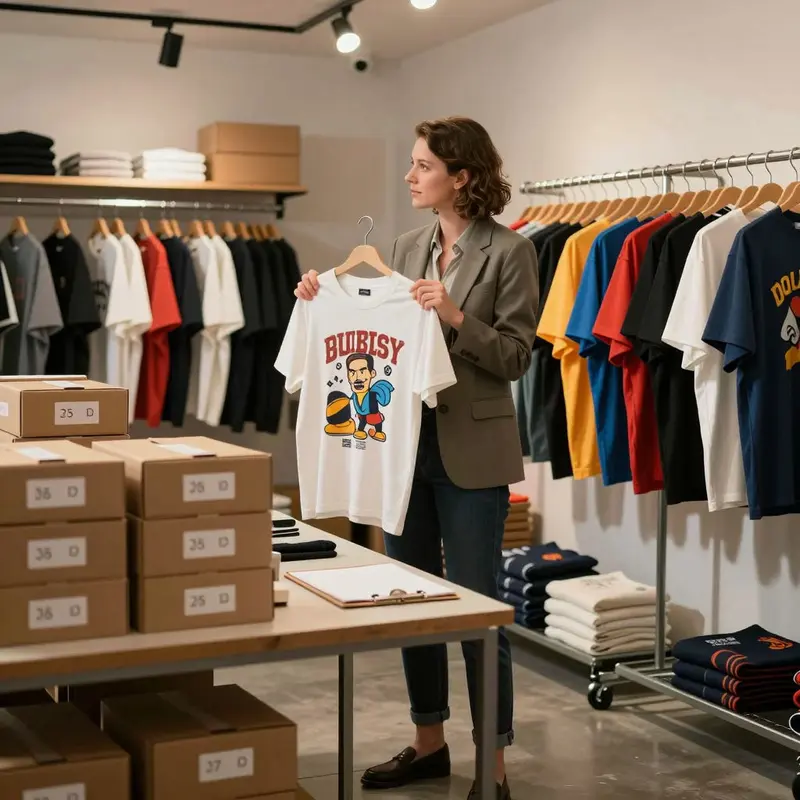
As a fashion merchandising manager, you already know velocity is everything. Inventory that sits is capital that bleeds. What separates the categories that accelerate your numbers from those that stall isn’t always complexity; sometimes, it’s the simplest product on the floor that moves fastest.
The meme and vintage graphic tee trend is exactly that kind of category. Low material costs combined with bulk production keep margins wide, and because the product is structurally straightforward to manufacture, you can move from concept to shelf quickly. That speed matters when the cultural window is open. A tee tied to a viral moment that arrives a week too late is just a shirt.
Limited-edition drops sharpen that speed into a genuine sales driver. When you tie a release to a film debut, a cultural flashpoint, or a meme at peak circulation, you’re not just selling a product; you’re selling access to a moment. Exclusivity creates urgency in the buyer, and urgency compresses the decision cycle in ways that standard evergreen product can’t replicate.
Repeat purchase behavior reinforces the category’s staying power.
Vintage and meme tees speak directly to the self-expression economy, where consumers return not because they need another shirt, but because each design represents a different facet of identity. That dynamic turns a one-time transaction into a loyalty loop without requiring a formal loyalty program.
High margins, fast turnover, and built-in repeat demand form a compounding revenue engine. The category earns its floor space. And the demographic driving that loyalty and urgency isn’t a mystery, which makes the next layer of the strategy worth a closer look.
2) Attracts Gen Z and millennial buyers: Authenticity that earns repeat visits
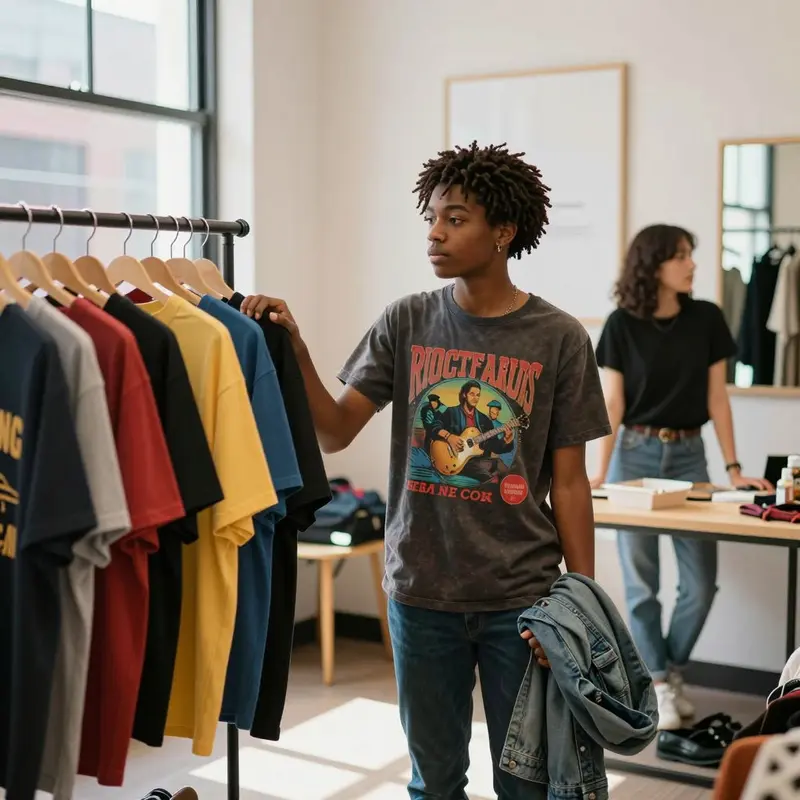
The demographic driving that loyalty isn’t abstract. Gen Z and millennials are the two most culturally active consumer segments in the market right now, and the meme and vintage graphic tee trend sits right at the intersection of what both groups respond to: nostalgia and virality working in concert.
Nostalgic aesthetics, particularly Y2K and 90s vintage references, don’t just trigger recognition. They build emotional loyalty. When a buyer picks up a tee that echoes a cultural moment they lived through, or grew up hearing about, the garment becomes a cultural signifier. That isn’t sentiment. It’s a purchasing mechanism. Repeat visits follow naturally because the connection was never purely transactional to begin with.
For younger consumers, the story doesn’t stop at aesthetics. Gen Z in particular scrutinizes supply chain transparency and product durability before committing. A graphic tee with a durable print and a verifiable sourcing story earns trust that a generic fashion item simply can’t. You’re not just offering a product. You’re offering proof of values that resonate with an ethically conscious buyer.
This is where your floor decisions carry real weight. Stocking designs that function as cultural touchstones, rather than trend-chasing novelties, signals category credibility to a generation that can spot authenticity at a glance.
That mix is why this category moves fast. If you want to own it, you don’t win by chasing each input separately. You win by building one repeatable experience that feels culturally fluent and ethically defensible at the same time.
3) Enables first-mover advantage: Lock in lasting cultural edge
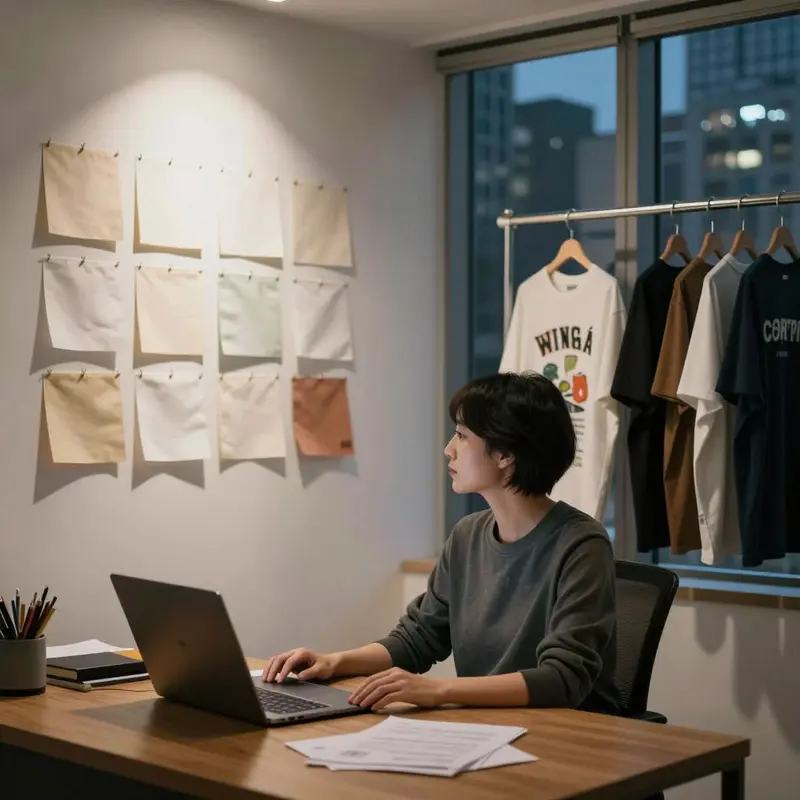
Act on that repeatable experience early enough, and you don’t just participate in the market. You shape it.
The meme and vintage graphic tee trend rewards speed in a specific, compounding way. When a meme breaks through or a nostalgic reference catches cultural momentum, platforms like TikTok and Etsy register immediate sales spikes. The buyers who show up in those first hours are the most culturally engaged consumers in the market, the ones whose purchases and posts amplify visibility for everyone watching. If your assortment is ready when they arrive, you capture both the sale and the signal. If you’re still sourcing, you capture neither.
But first-mover advantage here isn’t simply about reacting to whatever goes viral this week. The brands building durable positions in this category understand a harder truth: the designs that hold value into 2026 and beyond prioritize print quality and cultural resonance over pure shock value. A meme that fades in a fortnight leaves overstock. A design rooted in genuine nostalgia or a cleverly executed parody illustration becomes a category anchor, something customers seek out intentionally rather than stumble across.
That distinction is where your competitive edge actually lives. Custom cartoon and parody illustrations give you a lane that mass-market suppliers can’t easily replicate. Virality is accessible to anyone with a heat press and a trending audio clip. Genuine differentiation requires curatorial instinct, the ability to read which cultural references carry enough emotional weight to outlast their original moment.
So the real question isn’t whether you move first. It’s whether the designs you move first with are built to last long enough to matter, and what that discipline does to the cost side of the equation.
4) Reduces design costs: Standardized graphics, less operational drag
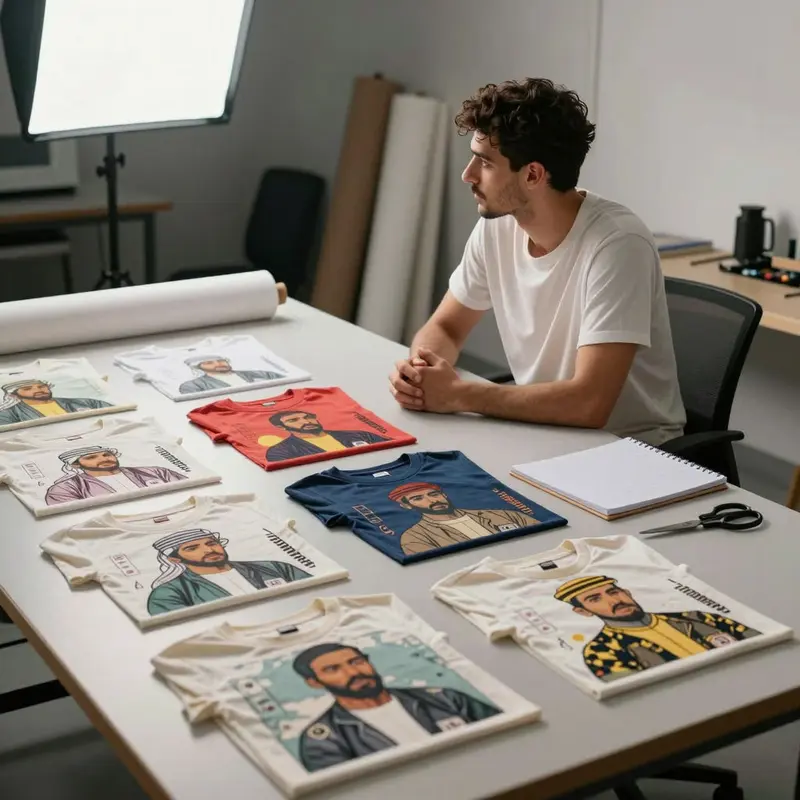
Run the numbers on a typical original graphic tee launch: brief a designer, go through revisions, clear approvals, then hope the concept resonates before the cultural moment passes. Now consider what changes when the meme and vintage graphic tee trend enters your assortment strategy.
The design cost structure shifts fundamentally. Meme-based and nostalgic retro formats draw on pre-existing cultural references that your audience already understands and values. You aren’t building meaning from scratch; you’re channeling it. Low-effort templates calibrated to recognizable formats replace weeks of exploratory concepting, and the marketing lift that would normally need to accompany a new creative property is already baked in through the cultural currency of the reference itself.
That efficiency compounds on the production side. Standardized specs across these formats mean your vendor conversations are cleaner, your sampling rounds are shorter, and your per-unit costs stay predictable. When design variability shrinks, so does the operational drag that variability creates across sourcing, sampling, and fulfillment planning.
Design risk drops alongside design spend. Because these formats can hit high sales velocity without requiring heavy promotional investment, you aren’t betting large on unproven creative work. The cultural work has already been done. Your job is selection and timing, not invention.
That last point puts the operational upside in a different light: the real savings isn’t just fewer design hours, it’s fewer avoidable decisions across the line. And it raises a direct question about how that material dimension fits into a broader commitment to responsible production.
5) Aligns with sustainability shifts: When responsible also means profitable
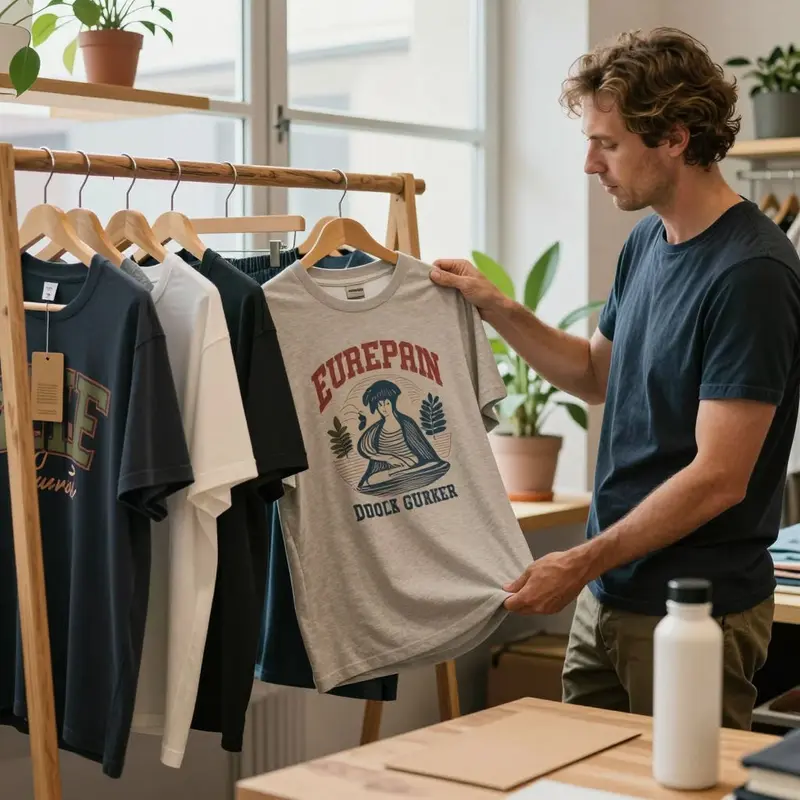
Responsible production isn’t a values statement anymore; it’s a sourcing decision you make at the category level.
The meme and vintage graphic tee trend lands squarely inside that decision. When you carry vintage tees, you’re participating in apparel reuse cycles that reduce the need for new production by as much as 20-30%. That’s not a rounding error. It’s a measurable reduction in raw material demand that your sustainability reporting can actually reflect.
Digital on-demand printing, which powers most meme tee programs today, compounds that advantage. Because units are printed only when ordered, waste falls by roughly 40% compared to traditional run-based production. You’re not liquidating overstock or writing down unsold units at the end of a season. The product exists because demand already exists.
What makes this particularly useful is that the sustainability case and the margin case are the same case. Lines built around vintage and meme tees can improve margins by 15-22%, which means you’re not trading profitability for principle.
Buyers and boards respond to that alignment differently than they respond to a sustainability initiative that costs money to run.
There’s also a less obvious dimension here. Nostalgia isn’t just cultural currency; it’s neurological. Vintage pieces that trigger genuine nostalgic recall have a measurable effect on how customers feel in the moment of purchase, which translates directly into conversion and repeat behavior. The product earns its place on the floor, emotionally and operationally.
The clearest signal for any sustainable category strategy is when the responsible choice is also the commercially defensible one. When that happens, it’s not a nice-to-have. It’s your go-forward plan.
Final thoughts
When you step back, the case for this category is straightforward. Cultural relevance drives traffic and conversion, speed protects you from missed moments, and repeat behavior turns a simple tee into dependable volume. At the same time, tighter design systems reduce friction across development and sourcing, which keeps risk and cost in check. When you pair that with more responsible production options, the business story gets even easier to defend.
The real lesson isn’t that managers should chase every joke or throwback. It’s that you can build a disciplined, values aware, high velocity tee strategy that performs like a core category, not a side bet. If you’re making space decisions for the next season, treat the meme and vintage graphic tee trend as a measurable lever, not a cultural curiosity. The question is whether your current process is built to capture attention quickly, and still deliver quality and accountability when it counts.
Ready to upgrade your everyday life with smarter choices and inspired living? Contact OnInitiative.com ([email protected]) today and let our experts help you design a lifestyle that aligns with your goals and values!
About us
OnInitiative.com is a digital innovation partner that empowers professionals and organizations to design smarter, more fulfilling lifestyles. Through custom software solutions, productivity tools, and travel-tech integrations, we help people reclaim time, reduce stress, and make the most of every moment, whether at work, home, or on the road.
Further reading


Leave a comment