
















No products in the cart.

Shop this story
How to Leverage DeFi Automation for E-Commerce Success
by Joseph L
DeFi automation for e‑commerce entrepreneurs is reshaping how online stores handle payments and supply chains. Smart contracts and stablecoins are cutting friction while boosting cash flow.
Entrepreneurs need reliable, scalable tools to stay competitive, and this guide breaks down the most pressing questions. We explore efficiency gains, regulatory clarity, security best practices, economic impact, and global scaling challenges across five focused chapters.
Unlocking E-Commerce Efficiency Through DeFi Automation for Entrepreneurs

Recent infrastructure leaps make DeFi automation for e-commerce entrepreneurs a tangible reality. Request Network’s Q4 2024 upgrade enables multi-chain payment routing across Ethereum, Polygon, and Arbitrum, letting businesses dynamically choose optimal rails for cost and speed. Early automotive adopters slashed cross-border payment times by 35% while cutting failed transactions by 22%, proving how seamless USDC flows resolve chronic supply chain friction.
Circle’s Refund Protocol now automates chargeback resolution using shipment tracking data, dropping dispute timelines from weeks to near-instantaneous settlements. Similarly, SAP’s Ariba integration with blockchain smart contracts reduced invoice processing from 18 days to under 4 hours by syncing IoT sensor data with payment triggers. These systems collectively slash reconciliation costs by $1.2M per $1B volume and boost payment accuracy to 99.8%, heralding the future of decentralized finance and transforming working capital predictability for agile entrepreneurs.
GENIUS Act Clarity: Powering DeFi Automation for E-Commerce Entrepreneurs

The GENIUS Act, enacted in July 2025, delivers critical regulatory clarity for stablecoins by establishing them as a distinct asset class under Federal Reserve and Treasury oversight. It mandates 1:1 reserves in high-quality liquid assets, strict audits, and restricts issuance to licensed entities—eliminating the ambiguity that previously hindered institutional adoption of DeFi automation for e-commerce entrepreneurs.
Ethena Labs’ partnership with Anchorage Digital Bank to launch USDtb, the first fully compliant stablecoin, sparked immediate institutional momentum. Major players like Coinbase, Circle, and Visa now accelerate integration into payment systems, projecting a 30% surge in commercial stablecoin use by late 2025 as the GENIUS Act stablecoin regulation takes hold.
The Treasury Department’s August 2025 consultation on AI-enhanced AML protocols further refines safeguards, balancing illicit finance prevention with privacy. With 47 fintech firms proposing compliance frameworks, these evolving standards ensure secure, scalable adoption for e-commerce payment innovation.
Securing DeFi Automation for E-Commerce Entrepreneurs

Escalating cybercrime costs—projected at $10.5 trillion annually—make AI-driven security essential for entrepreneurs adopting DeFi automation for e-commerce entrepreneurs. Platforms like Sentra’s Data Security Platform enable proactive protection by integrating with existing stacks to instantly remediate data exposure, shifting from reactive alerts to real-time risk mitigation in fast-moving transaction environments.
Microsoft’s expanded security protocols for AI workloads and OpenAI’s GPT-5 advancements highlight how autonomous systems counter sophisticated threats like deepfake attacks. These innovations address critical talent gaps while securing DeFi integrations, ensuring e-commerce entrepreneurs can leverage automation through an effective AI-powered business strategy without compromising resilience against evolving exploit techniques.
Boosting Economic Viability Through DeFi Automation for E-Commerce Entrepreneurs
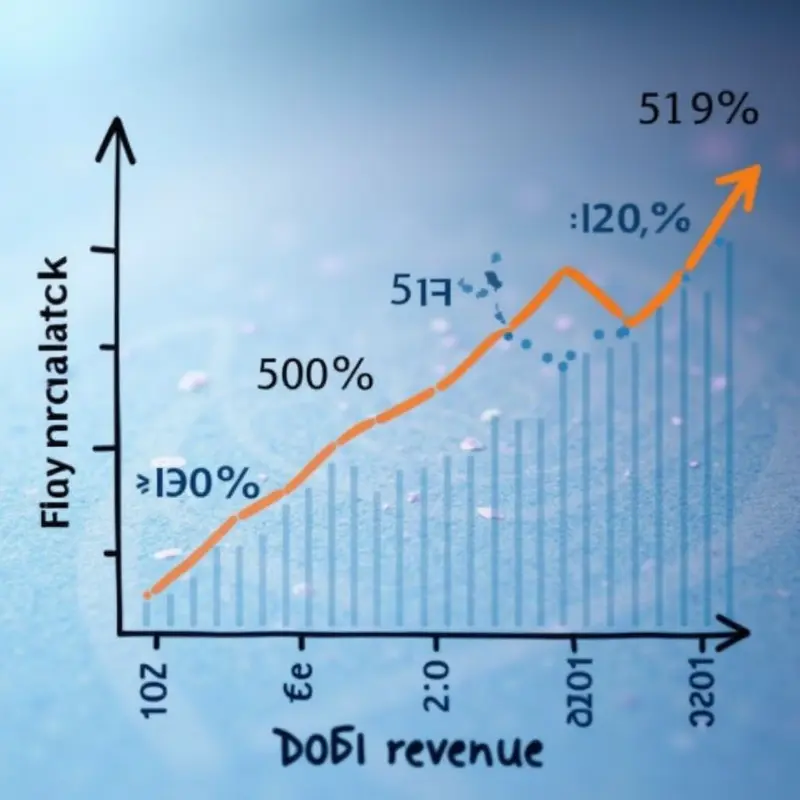
Small e-commerce businesses are capitalizing on sustained market growth, with online retail sales hitting 16.4% of total retail in mid-2025 and holiday season growth reaching 6.7% year-over-year. However, Amazon’s August 2025 announcement to discontinue prep services by January 2026 shifts packaging compliance to sellers, creating both operational hurdles and branding opportunities that demand immediate investment in supply chain infrastructure.
Strategic reinvestment proves critical as 56% of small merchants project revenue growth despite inflation pressures. Early adopters using third-party logistics partnerships reduced fulfillment costs by 15%, achieving cost savings from logistics partnerships while enhancing packaging customization, demonstrating how DeFi automation for e-commerce entrepreneurs supports financial stability. This aligns with LedgerGurus data showing merchants using niche marketing achieved 22% higher conversion rates.
Complementing these efforts, 53% now leverage generative AI for operational savings and 52% of consumers pay premiums for sustainable practices. Seamless integration of these tactics—cost-efficient automation, branding agility, and eco-initiatives—enables small retailers to maintain competitive margins amid volatile advertising costs and evolving marketplace demands.
Scaling E-Commerce with DeFi Automation: Global Trends and Hurdles

Corporate adoption of crypto payroll surged from 15% to 25% between 2023 and 2025, driven by employee demand preceding institutional stablecoin integration. DeFi automation for e-commerce entrepreneurs enables seamless cross-border compensation, particularly benefiting decentralized finance and gaming sector businesses according to Pantera Capital’s 1,600-professional survey. This trend signals growing corporate comfort with digital asset transactions.
The global FinTech market reached $340 billion in 2024, with 75% of users leveraging payment platforms and 25% of SMEs adopting these solutions. While federal infrastructure funding under the Infrastructure Investment and Jobs Act distributed $110 billion in early 2025, supply chain constraints persist. Entrepreneurs must strategically navigate these infrastructure challenges while capitalizing on the stablecoin adoption journey to optimize payment ecosystems.
Final thoughts
Each chapter reveals a piece of the puzzle: automation unlocks efficiency, the GENIUS Act offers regulatory confidence, security layers protect assets, economic analysis proves profitability, and global trends outline the path to scale. Together they illustrate that DeFi automation is not a niche experiment but a foundational shift for online commerce.
When DeFi automation for e‑commerce entrepreneurs becomes a core business engine, growth accelerates and risk recedes, positioning merchants at the forefront of digital trade. Ready to ride this wave and shape the future of online retail?
Ready to take control of your financial future with smart strategies and expert insights? Contact OnInitiative.com ([email protected]) today and let our team help you make informed, confident decisions with data-driven financial solutions!
About Us
OnInitiative.com is an innovative marketplace that helps e-commerce businesses boost productivity and community growth through advanced automation tools.
Further reading


Leave a comment