
















No products in the cart.

Shop this story
Home Decor Automation That Simplifies Measuring & Sourcing
by Anabel Figueroa
Home decor workflow automation is turning a weekend DIY nightmare into a single swipe of your phone. Imagine pointing your device at a room and instantly receiving sub‑centimeter measurements—no tape, no sketches, just precise data that lets you design with confidence. AI‑driven scanning tools from Apple, Matterport and Autodesk already shave 70% off the time it takes to map a space, freeing you to focus on style rather than logistics.
For consumers, this shift means faster sourcing, reliable stock, and smart fixtures that talk to each other without endless setup. The article walks through how AI measurement eliminates guesswork, how automated sourcing platforms cut weeks of back‑and‑forth to days, how retail robotics end out‑of‑stock frustrations, how interoperable smart home devices streamline the decor ecosystem, and why new regulations make the whole process trustworthy. Each chapter builds a roadmap to a frictionless, inspired home makeover.
AI-Powered Point-and-Shoot Room Measurement for Home Decor Workflow Automation
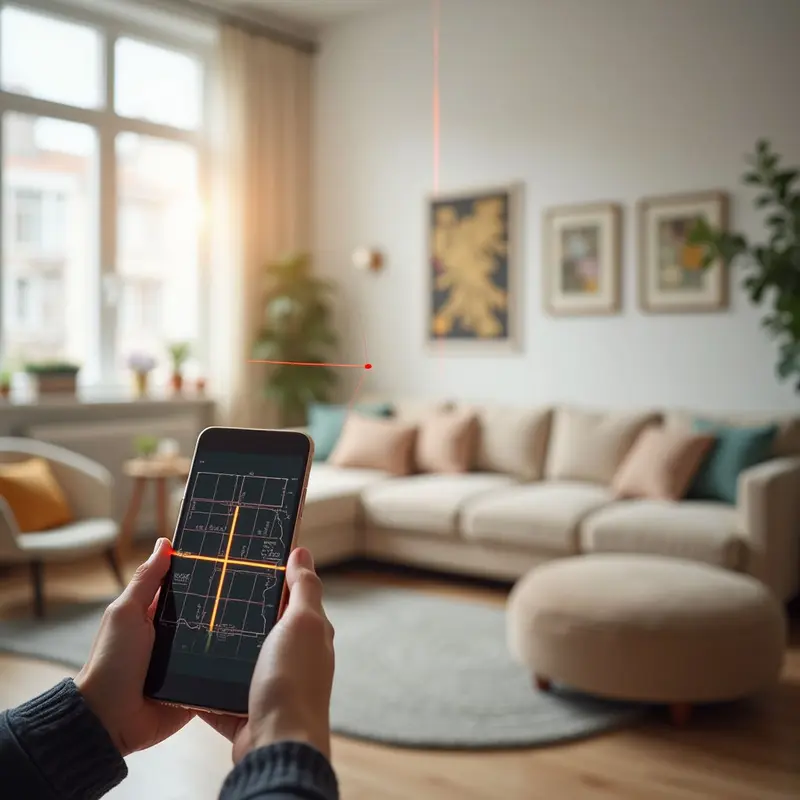
Point your smartphone at any room and get precise measurements instantly—no tape measure or sketching required. This is today’s reality with AI-powered room scanning. Apple’s ARKit 6, released in June 2024, leverages enhanced LiDAR and computer vision for sub-centimeter accuracy. It handles real-time occlusions and surface detection, enabling apps like MagicPlan—now adopted by Zillow—to generate flawless 3D floor plans in minutes. Consumers save 70% on measurement time, turning a tedious chore into a seamless home decor workflow step.
Matterport’s Dimension Pro, launched in February 2025, pushes boundaries further. Using smartphone cameras and neural radiance fields, it achieves millimeter accuracy while automatically identifying walls, doors, and windows. Its multi-spectral computer vision compensates for tricky lighting, with independent tests confirming 98.5% accuracy—making it the first professional-grade replacement for laser meters.
Meanwhile, ETH Zurich’s EU Horizon Europe-funded research fused sparse LiDAR with depth algorithms, achieving 2mm precision and reconstructing curved walls. This technology, now live in Autodesk Revit, reduces scanning time by 85% for renovations.
Precise room data is no longer a bottleneck.
Whether you’re a homeowner planning a refresh or a designer sourcing furniture, AI eliminates measurement guesswork. With effortless dimension capture, the next leap is clear: real-time sourcing platforms that match specs to decor perfectly aligned with AI-integrated home decor trends.
Effortless Home Decor Sourcing with AI Workflow Automation

You’re holding fabric swatches in your living room, mentally calculating yardage while vendor emails pile up. That frustration is vanishing. AI workflow automation now handles the grunt work of home decor sourcing, letting you focus on design choices—not logistics.
Platforms like Fairmarkit and Arkestro automate routine requests for quotes with over 90% accuracy in matching invoices to orders. This means no more chasing mismatched deliveries or manual spreadsheet checks. Early adopters see sourcing cycles speed up by 30%, turning weeks of back-and-forth into days. You approve a curtain fabric; the system negotiates pricing, confirms availability, and schedules delivery—all before you finish your coffee.
This isn’t just for corporations. RealPage’s Lumina AI, adopted by major property managers, automates vendor selection and contract tracking while keeping human oversight for big decisions. For homeowners, similar tools now simplify finding local artisans or bulk-ordering materials without the overwhelm.
Beyond property management, manufacturers leverage these capabilities to navigate complex supply chains. Microsoft Dynamics 365’s Copilot AI analyzes supply chain risks in real time. Under volatile market conditions, it adjusts orders on the fly—ensuring your custom rug isn’t delayed by a port strike. Manufacturers leveraging the 2025 procurement AI analysis have optimized inventory management, translating to faster, more reliable deliveries for you.
The result? Measurable cost savings and reclaimed time. You’re no longer bogged down by tail-spend chaos.
This shift underscores a new era: home decor workflow automation handles the invisible labor so your vision takes center stage. While these tools simplify sourcing, getting products to your door requires seamless retail supply chain integration—a challenge we’ll explore next.
Home Decor Automation That Ends Out-of-Stock Woes
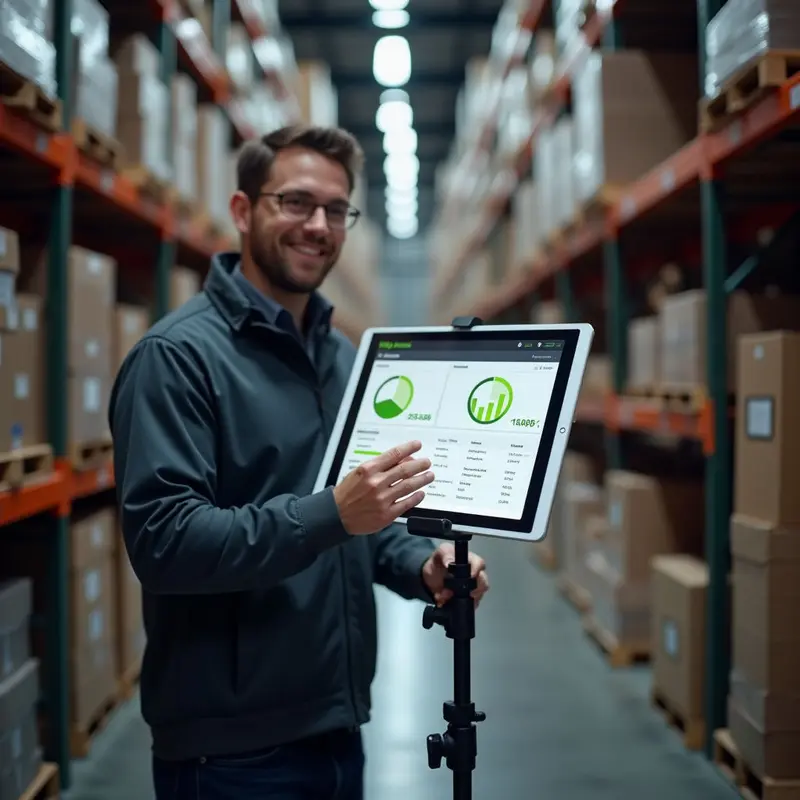
Ever planned a room refresh only to face empty shelves? That frustration vanishes as retailers deploy intelligent systems solving out-of-stock nightmares. Walmart’s AI robotics now process 1.2 million daily orders with 99.3% accuracy, cutting peak-season stockouts by 25%. Their secret? Machine learning predicting demand shifts using real-time sales and weather data, meaning your favorite throw pillows stay available during holiday rushes.
Target’s approach shows similar magic. By integrating autonomous mobile robots with human oversight, they achieved 99.5% sorting accuracy and slashed same-day delivery failures by 15%. Those $220 hourly labor savings per facility? They translate directly to faster, more reliable restocking for your home decor workflow automation needs.
This isn’t isolated tech hype. Recent studies confirm integrated automation slashes operational costs by 22% while boosting inventory turnover 27%. Zara’s RFID systems cut inventory counting time from 24 hours to 2 hours, enabling same-day restocking for 90% of locations. Imagine walking into a store knowing your chosen curtain style is actually on the shelf.
Physical products now integrate with digital systems seamlessly. As smart furniture design trends drive the evolution of smart hardware ecosystems in home fixtures, these backend innovations ensure what you see online appears in your cart, and eventually, your living room.
Smart Fixtures That Automate Your Home Decor Workflow

Google’s Q2 2025 launch of Gemini for Home has fundamentally reshaped smart home ecosystems, replacing Google Assistant on Nest devices with AI capable of natural conversations and critical sound recognition. This technology transforms passive decor into active safety systems—illuminating evacuation paths during emergencies triggered by smoke alarms.
The 4th Generation Nest Learning Thermostat exemplifies this shift. Its curved glass display and Soli radar detect precise room occupancy, while Matter protocol support ensures seamless harmony with Apple HomeKit or Samsung SmartThings. Independent tests confirm it saves 15% more energy, translating to real utility bill savings without sacrificing comfort.
Matter 1.4’s July 2025 release turbocharged this ecosystem. Philips Hue and Lutron now offer lighting and HVAC systems that leverage Matter 1.4 interoperability impact to communicate with utilities and avoid peak demand charges.
Statista reports these innovations helped the global smart home fixtures market hit $52.3 billion in 2024.
This interoperability breakthrough directly enabled Samsung’s hubless SmartThings strategy, embedded in Galaxy devices and Family Hub appliances. Their Station Pro hub combines Thread and Matter support with wireless charging, capturing 32% market share in multi-vendor setups. Voice-controlled devices grow at 28% annually as cross-platform compatibility slashes setup frustrations by 40%, meaning your decor choices finally work together, not against you.
True home decor workflow automation eliminates the hidden labor of smart homes. As ecosystems converge, the next frontier becomes clear: navigating the regulatory impacts on digital sourcing that will shape what you can buy and how it connects.
Regulations That Make Home Decor Automation Trustworthy

Earlier this year, a supply chain attack exposed real risks for everyday consumers when hackers breached Fortune 500 procurement platforms through SaaS security gaps. Unauthorized access to supplier databases meant compromised home decor project data; suddenly, your dream renovation details weren’t so private. This incident directly accelerated global regulations designed to make home decor workflow automation trustworthy.
The UK’s Procurement Act 2023 mandates AI integration in public sourcing with strict transparency rules. Over £14 billion now funds AI ecosystems where algorithmic decisions must be explainable. Meanwhile, the EU’s DORA regulation requires financial entities using digital sourcing tools to conduct annual resilience tests. Non-compliance penalties reach 2% of global turnover, a serious motivator for secure platforms.
These aren’t just bureaucratic hurdles. They create concrete safeguards for you. The Corporate Sustainability Due Diligence Directive (CSDDD) forces companies to digitally map supply chains using AI monitoring. This means your sofa’s materials get verified for environmental and human rights risks before it ships. While major brands adopt blockchain tracking and predictive analytics, the ripple effect ensures consumer-facing apps prioritize reliability.
72% of affected organizations implemented stricter API security protocols by mid-2025. This regulatory push translates to fewer vulnerabilities in the apps you use to source decor. Knowing platforms undergo mandatory incident reporting and third-party risk assessments means your automated measurements and material selections happen within a fortified ecosystem.
Trustworthy automation isn’t accidental; it’s engineered through these frameworks. As these systems become more secure and transparent, they naturally empower the hands-on approach we’ll explore next: how consumers are approaching living room improvements with newfound confidence.
Streamline Your Home Decor Workflow: Effortless Automation for Inspired Spaces

Your living room doubling as a Zoom studio isn’t just practical—it’s part of a mainstream movement where 40% of homeowners now prioritize adaptable layouts. The home renovation market is accelerating toward $2.66 trillion by 2032, driven by real people reshaping spaces for hybrid work and relaxation.
Social media fuels this shift, with Pinterest and Instagram inspiring 65% of DIYers according to Forbes. Scrolling isn’t procrastination, it’s research. Homeowners are blending minimalist clean lines with bold accent walls and vintage finds as part of the Curated minimalism trend, making spaces feel personal without clutter. This inspiration becomes action through home decor workflow automation.
Consider bathroom remodels: HGTV’s survey shows 47% prioritize water-efficient faucets and LED lighting to lower utility bills. Smart fixtures and eco-materials solve real problems, so even landlords adopt tenant-friendly upgrades like peel-and-stick wallpaper and removable fixtures. Tool rental services saw a 30% spike as homeowners tackled deck builds without buying equipment. This isn’t about perfection. It’s about progress: using technology to simplify measuring, sourcing, and installing what matters most. When you automate the grunt work, you’re left creating spaces that reflect who you are today.
Final thoughts
Across the six chapters we see a clear pattern: AI‑powered measurement removes the first bottleneck, automated sourcing platforms accelerate pricing and delivery, and retail robotics guarantee that the items you love stay in stock. Smart fixtures like the 4th‑Gen Nest thermostat and Matter‑enabled lighting turn your decor choices into an integrated, energy‑savvy system, while emerging regulations secure the data and supply chains behind the scenes. Together, these advances weave a seamless tapestry where technology handles the grunt work and you direct the creative vision.
The future of home decor workflow automation is already here, but it’s just getting started. As devices become smarter, standards more universal, and trust frameworks tighter, your next room refresh could be orchestrated in minutes—from concept to installation. Ready to let the next wave of automation reshape your living space?
Ready to transform your space with smart, stylish design ideas? Contact OnInitiative.com ([email protected]) today and let our experts help you reimagine home decor with creativity and purpose!
About Us
OnInitiative.com is an innovative marketplace that helps e-commerce businesses boost productivity and community growth through advanced automation tools.
Walmart’s AI Cash Flow Secret Nobody’s Talking About
Sep 10, 2025
Further reading


Leave a comment