















No products in the cart.

Shop this story
The Rise of AI-Integrated Home Decor: Smart, Sustainable, and Stylish Living Spaces for 2025
by Anabel Figueroa
As we step into 2025, artificial intelligence is no longer a futuristic concept—it’s a core component of modern home decor. Designers are witnessing a paradigm shift as AI-powered tools empower homeowners to create smart, sustainable, and aesthetically rich environments. These innovations are not only streamlining design workflows but also enhancing personalization, integrating eco-friendly materials, and embedding technology discreetly into everyday living. This article explores six key dimensions of AI-integrated home decor, from biophilic design and minimalist maximalism to accessible, multifunctional interiors—all while maintaining a seamless fusion of form and function.
Designing for the Individual: How AI Crafts Spaces as Unique as You
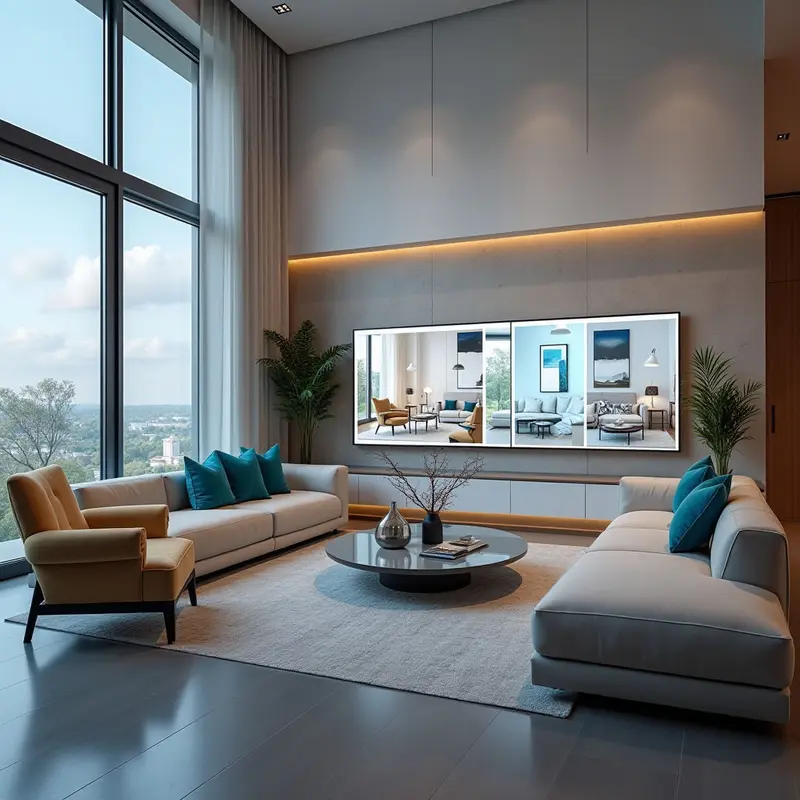
AI-powered interior design is redefining personalization, transforming homes into deeply individualized environments. These intelligent tools analyze user inputs—ranging from style preferences to spatial constraints—and generate tailored design solutions that reflect personal tastes while addressing practical needs.
Whether it’s creating accessible layouts for aging-in-place, integrating durable materials for pet-friendly homes, or crafting multifunctional spaces for small urban living, AI ensures every detail aligns with the user’s lifestyle. This level of customization was once reserved for high-end interior designers, but now, it’s accessible to anyone with a digital device.
By blending aesthetics with functionality, AI not only enhances visual appeal but also supports daily life in intuitive, seamless ways. As these platforms continue to evolve, they offer an increasingly nuanced understanding of individual preferences, making truly personalized home design the new standard for 2025. Read more
Eco-Conscious Design: How AI Is Shaping Sustainable Home Decor in 2025
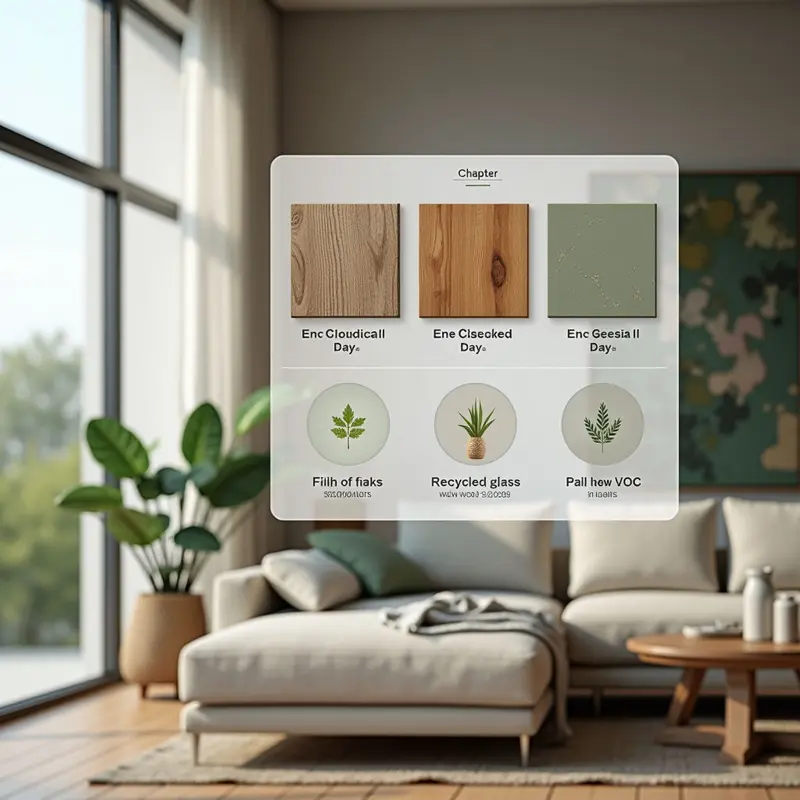
In 2025, AI-driven home decor is not only about aesthetics and personalization but also about sustainability. AI tools are now capable of recommending eco-friendly materials such as reclaimed wood, bamboo, and organic textiles, ensuring that design choices align with environmental responsibility.
These platforms analyze user preferences and automatically suggest sustainable alternatives that reduce carbon footprints. By integrating biophilic elements and prioritizing renewable resources, AI transforms interior design into a force for ecological good. Additionally, smart systems embedded in furniture and lighting optimize energy use, minimizing waste without compromising style.
As a result, homeowners can create beautiful, functional spaces that reflect both personal taste and a commitment to the planet. Read more about eco-friendly home trends.
Blending Nature and Innovation: Biophilic Design Meets Smart Living in 2025
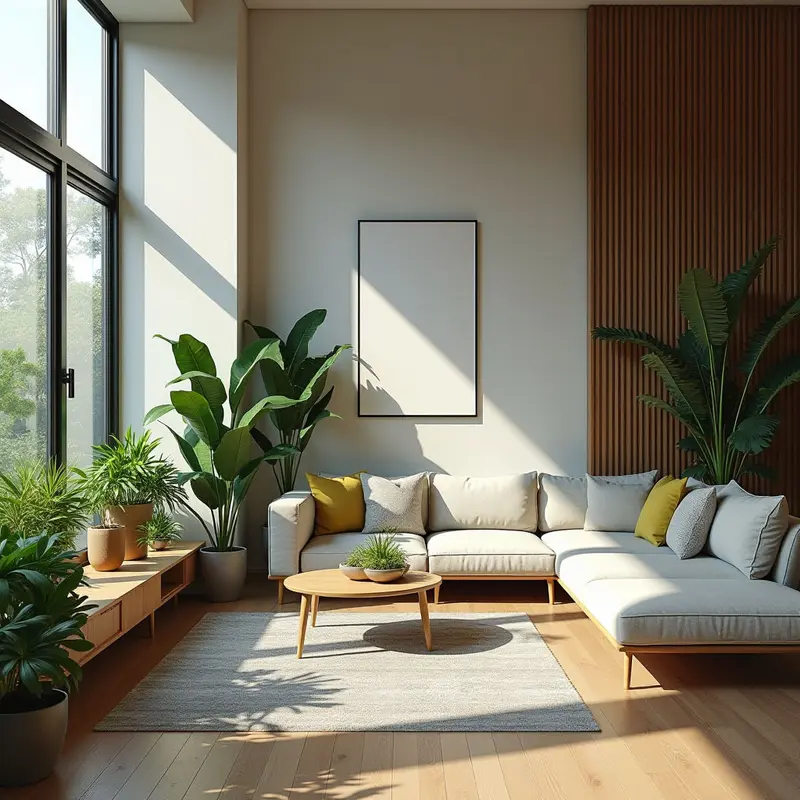
In 2025, interior design is witnessing a powerful convergence of biophilic aesthetics and smart technology, all guided by AI. Homes are no longer just living spaces—they are intelligent ecosystems that bring the serenity of nature indoors while optimizing comfort and efficiency.
AI-driven platforms are redefining biophilic design by analyzing spatial dynamics to maximize natural light, suggest organic materials like reclaimed wood and stone, and integrate indoor greenery tailored to a home’s specific conditions. Simultaneously, smart technology is seamlessly embedded into these natural designs—think voice-controlled ambient lighting that mimics daylight cycles or AI-regulated ventilation systems that adjust based on air quality and plant health.
This fusion not only enhances visual harmony but also promotes wellness, sustainability, and intuitive living. As AI continues to evolve, it ensures that nature-inspired interiors are not only beautiful but also deeply functional and responsive to human needs. To explore how AI is transforming interior spaces, visit: AI in Interior Design.
The Fusion of Minimalism and Maximalism: AI’s Role in Personalized Interior Design
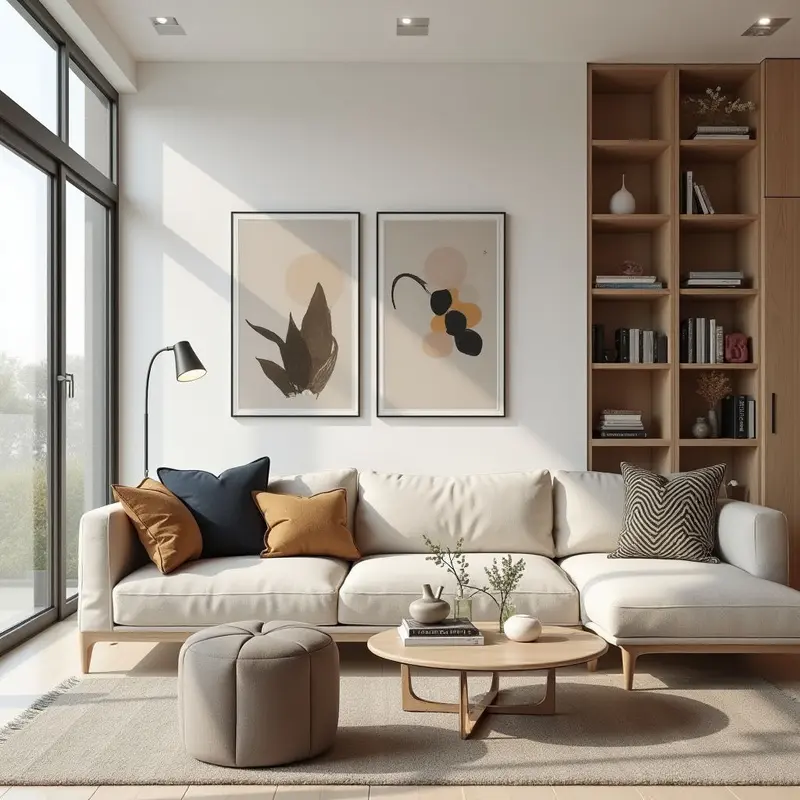
In 2025, AI is reshaping interior design by blending minimalist and maximalist aesthetics, offering tailored solutions that cater to diverse tastes. AI tools facilitate minimalist designs through seamless technology integration—think hidden speakers and voice-controlled lighting—while maintaining sleek, clutter-free spaces.
Conversely, for those drawn to maximalist expression, AI enables bold choices like vibrant color schemes and statement furniture, ensuring technology complements opulent decor. These tools analyze user preferences, room dimensions, and sustainability goals to craft personalized spaces that balance aesthetics and functionality. As AI continues to evolve, it allows for greater customization, ensuring every home reflects its occupants’ unique lifestyle and values. Discover how AI personalizes interior design.
Smart Furniture and Hidden Tech: The Invisible Intelligence of 2025 Home Design
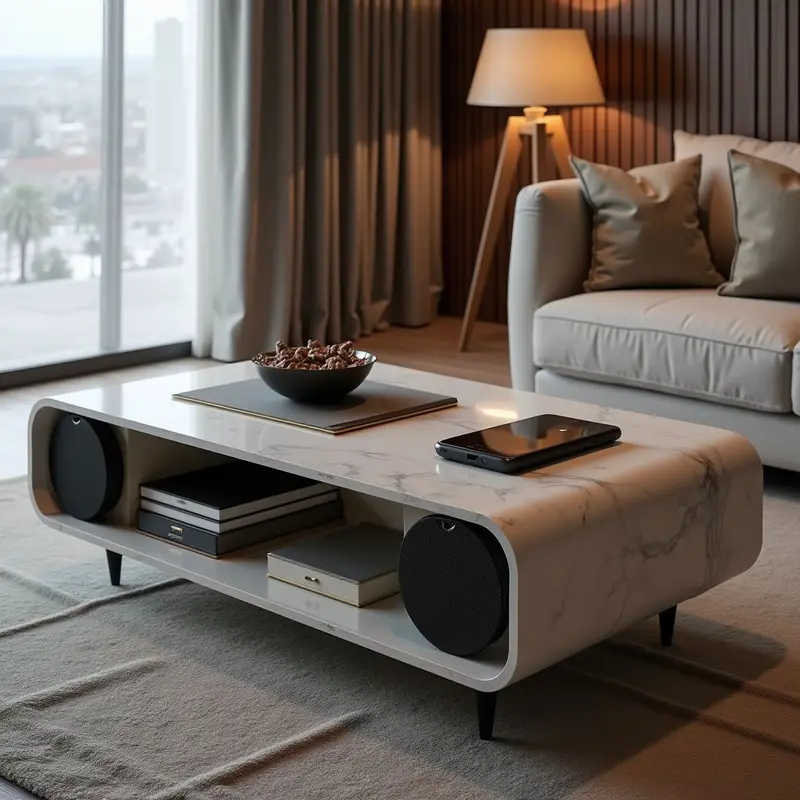
In 2025, AI-integrated home decor is redefining interior spaces by embedding smart technology directly into furniture and design elements. From voice-activated lighting seamlessly blended into ceilings to hidden speakers delivering immersive sound without visual clutter, technology is becoming discreetly embedded in everyday home environments.
Wireless charging surfaces are now standard in nightstands and coffee tables, eliminating the need for visible outlets and cords. This evolution supports a minimalist aesthetic while enhancing functionality—ensuring that tech enhances life without dominating design. AI-powered platforms are not only recommending these features but also customizing layouts to suit individual needs, such as ergonomic seating or adaptable storage.
As a result, homes are transforming into intelligent, responsive environments where furniture and tech work together invisibly to support comfort, convenience, and personal expression. Learn more about smart furniture design trends.
Designing for All: How AI Is Crafting Inclusive, Adaptive Living Spaces
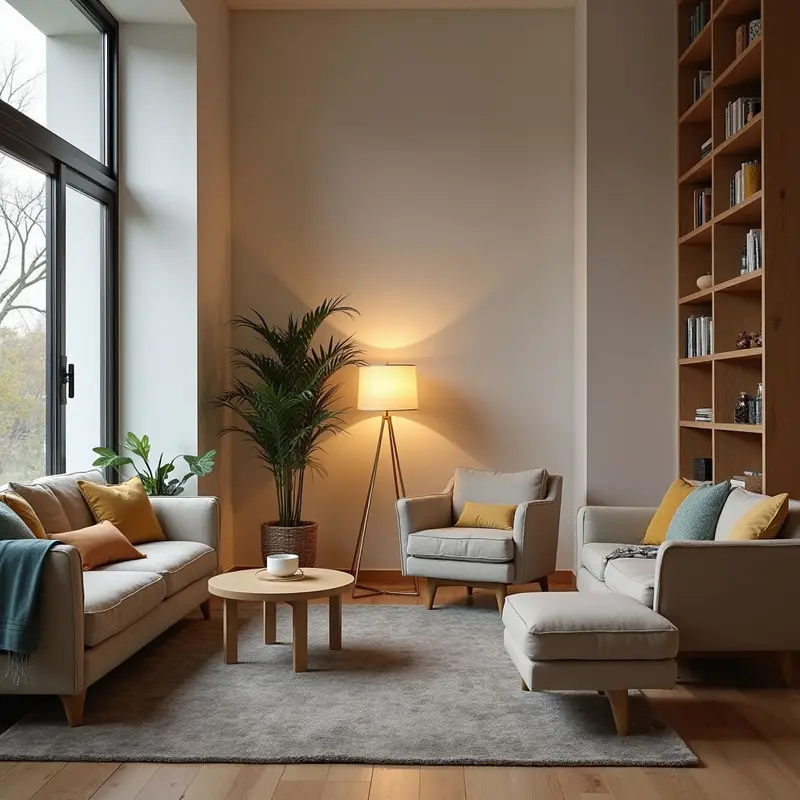
In 2025, AI-integrated home decor is redefining inclusivity and adaptability in interior design. These intelligent platforms go beyond aesthetics, analyzing user needs such as accessibility, ergonomic comfort, and multifunctional use to create living spaces that evolve with the people who inhabit them.
AI tailors environments for aging-in-place, suggesting leveraged support systems, step-free transitions, and intuitive lighting controls. For families, it recommends flexible furniture arrangements that adapt to changing routines, while pet owners benefit from durable, stain-resistant materials suited for active households.
Ergonomics is embedded into every recommendation—adjustable desks, posture-supportive seating, and strategically placed tech interfaces ensure comfort and efficiency. Even compact urban dwellings transform into versatile sanctuaries through AI-generated layouts that maximize space without sacrificing style.
By blending smart automation with human-centered design, these systems craft homes that are not only visually striking but also deeply responsive to the rhythms of everyday life. Read more about AI-powered accessibility in interior design.
Final thoughts
The convergence of AI and interior design is redefining how we conceptualize and inhabit our living spaces. As we move into 2025, smart, sustainable, and stylish interiors are no longer the domain of elite designers—they are accessible to all. From personalized design options and eco-conscious material selection to seamless tech integration and inclusive design, AI is unlocking new possibilities for every homeowner. For designers, this evolution represents both a challenge and an opportunity to innovate, collaborate, and lead the next wave of interior design transformation.
Ready to transform your space with smart, stylish design ideas? Contact OnInitiative.com ([email protected]) today and let our experts help you reimagine home decor with creativity and purpose!
About Us
OnInitiative.com is an innovative marketplace that helps e-commerce businesses boost productivity and community growth through advanced automation tools.
Further reading
Leave a comment