















No products in the cart.

Shop this story
8 decor habits cluttering your home, and what to cut now
by Anabel Figueroa
Every home lover has had that moment of looking around and wondering how a space that is technically tidy can still feel busy, loud, or strangely exhausting. The culprit is often not dirt or disorganization, but a handful of home decor habits that quietly pile on visual noise until your rooms feel heavier than they should. From surfaces crowded by leftovers from past seasons to corners swallowed by oversized furniture, small styling choices can slowly erode the calm you were trying to create in the first place. When the eye never gets a place to rest, the mind rarely does either.
That is why it pays to get honest about the home decor habits to avoid if you want a space that feels both beautiful and breathable. This guide looks at the subtle patterns that create clutter, even in homes that love storage solutions and a neutral palette. You will see how perfectionism, tech overload, overbuilt cabinets, and rigid furniture layouts all intersect with money, mindset, and lifestyle to shape the rooms you live in every day. By the end, you will have a clear framework for what to edit, what to keep, and what to skip so your decor finally works with you instead of against you.
1) Keeping lingering decor out of habit: Seasonal editing that resets your space
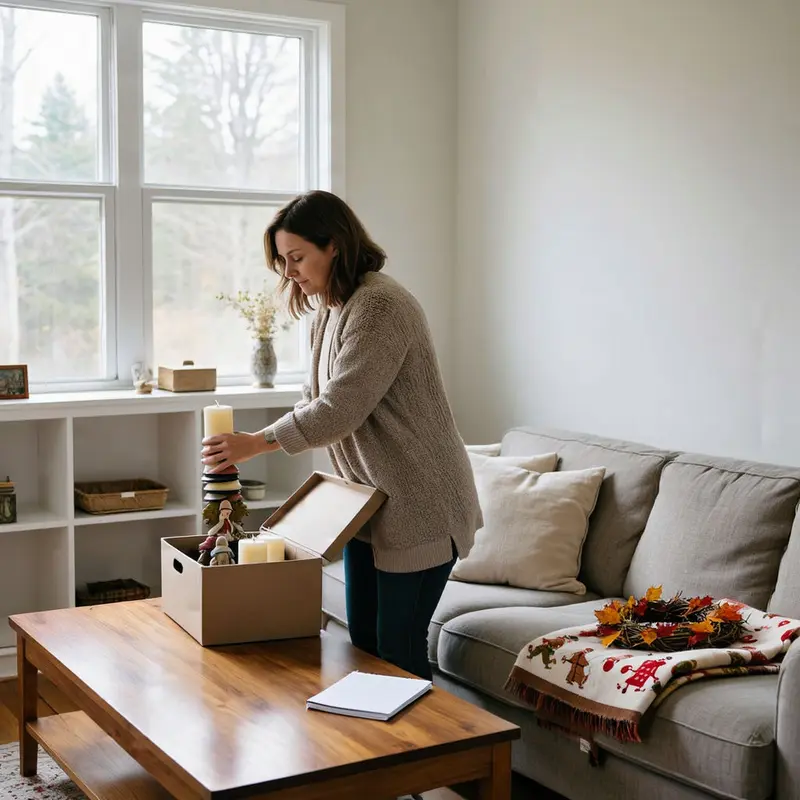
Look around your living room for a second. How many things are still sitting out just because they never got put away after the last holiday or season changed?
This is what happens when decor lingers out of habit instead of intention. You stop seeing it, but it still eats up surfaces, visual space, and energy. Ongoing editing is less about being ruthless and more about noticing what quietly turned into background noise.
One simple way to break that pattern is to build a seasonal decor inventory into your routine. Right after each holiday or season, walk your space and ask, “If I moved out tomorrow, would I pack this?” If the answer is no, it goes in a donate or sell box instead of back on a shelf.
January is a powerful reset point. When you box up decorations, anything left wandering around suddenly pops out. Those few stray pieces are often the biggest offenders among home decor habits to avoid, and revisiting fresh living room decor ideas can make it easier to choose what actually deserves to stay instead of what sticks around by default.
To keep that clarity going, give your storage a job description. Use zoning in closets, under the bed, or in the garage. Create clear zones for decor so you can instantly see what actually gets used and what just migrates from one bin to another.
Within those zones, organize by purpose. For example, set up seasonal rotation shelves for lightweight pieces such as garlands, candleholders, or small vases. When everything has a clear spot, you stop parking extras on the floor or in random corners, which naturally cuts down on automatic keeping.
The more often you repeat this cycle of inventory, boxing, zoning, and organizing by purpose, the more confident and selective your decorating eye gets. You are not chasing perfection. You are simply choosing what earns the right to stay, which sets you up to think more clearly about where curation helps and where it slips into overcorrection. That tension is what we will explore next when we look at styling perfectionism and practicality.
2) Overcuration with perfection: When styling starts creating clutter
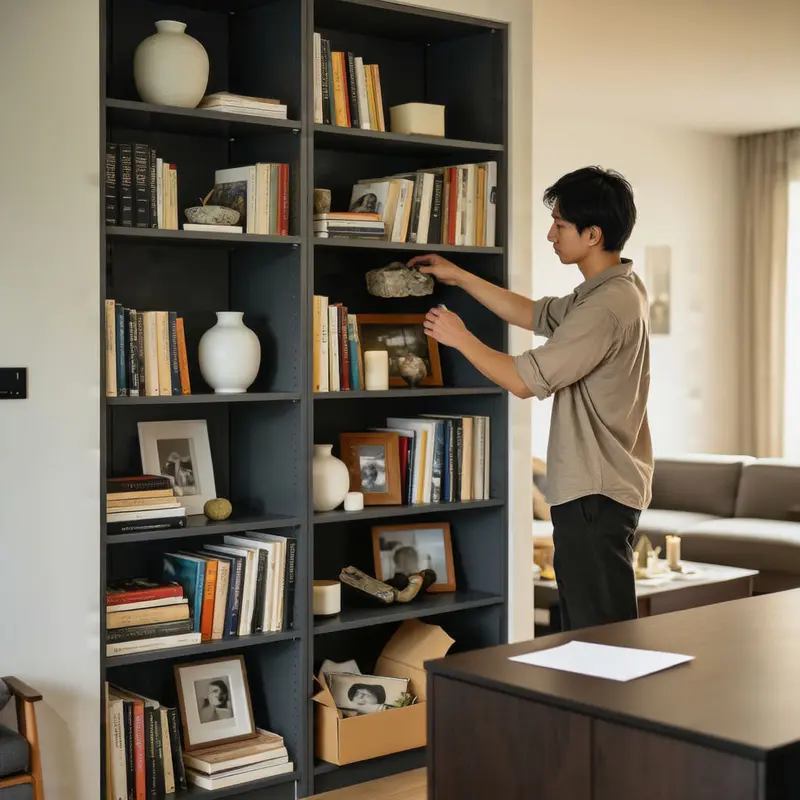
You’ve already been training your eye to ask what deserves to stay. Now it’s time to notice what happens when that instinct tips into styling perfectionism and quietly starts working against you.
Perfection in decor sounds virtuous. In real rooms, it usually creates visual stiffness and hidden clutter. When every shelf, basket, and bin has to look “styled,” you hesitate to touch anything. Real life has nowhere to land, so it piles up on the nearest open surface.
Instead of curating more, start by curating less. After the holidays, that might mean clearing away surplus decorations and sorting through extra gifts, especially toys, so you can fully experience the post-holiday decluttering benefits that come from making space for what you truly use and love. This isn’t just tidying. It restores mental space and makes literal room for new favorites, while outgrown clothes and toys move on instead of calcifying into long-term clutter.
Perfectionism often hides in how you store things. It shows up when you avoid using a cupboard because it’s not “Insta-ready,” so items linger on counters instead. Flip the goal. Prioritize function over flawless styling by zoning your storage so every area has a clear job.
For example, you can:
- Use wall hooks for everyday and seasonal pieces so they’re grab-and-go instead of draped over chairs.
- Put rarely used or seasonal items in loft spaces where looks matter less than access.
- Rely on labeled bins so you avoid vague “miscellaneous” baskets that turn into catch-all piles.
- Clear out expired paint, dried-up glue, and other unusable bits before you buy prettier containers.
These aren’t small tweaks. Each one trades aspirational perfection for smoother, low-friction living. Revamping storage by removing what no longer works also cuts visual and mental noise, which makes every remaining styling choice feel more deliberate.
If you’re prone to all-or-nothing thinking, set up one simple safety valve. A small “landing shelf” for in-progress items lets you put down returns, repairs, or undecided pieces without needing an immediate styling solution. It keeps your momentum going and prevents the perfection paralysis that leads to bigger messes.
Here’s the deeper lesson. The smartest home decor habits to avoid are the ones that prioritize how a corner photographs over how it actually works for you. So ask yourself: does this styling support how you live, or just how it looks in a picture? When your styling serves your rhythms, you free up attention for trickier problem areas, like how to keep technology from visually taking over your space.
3) Visible tech overload: Calming rooms by hiding devices
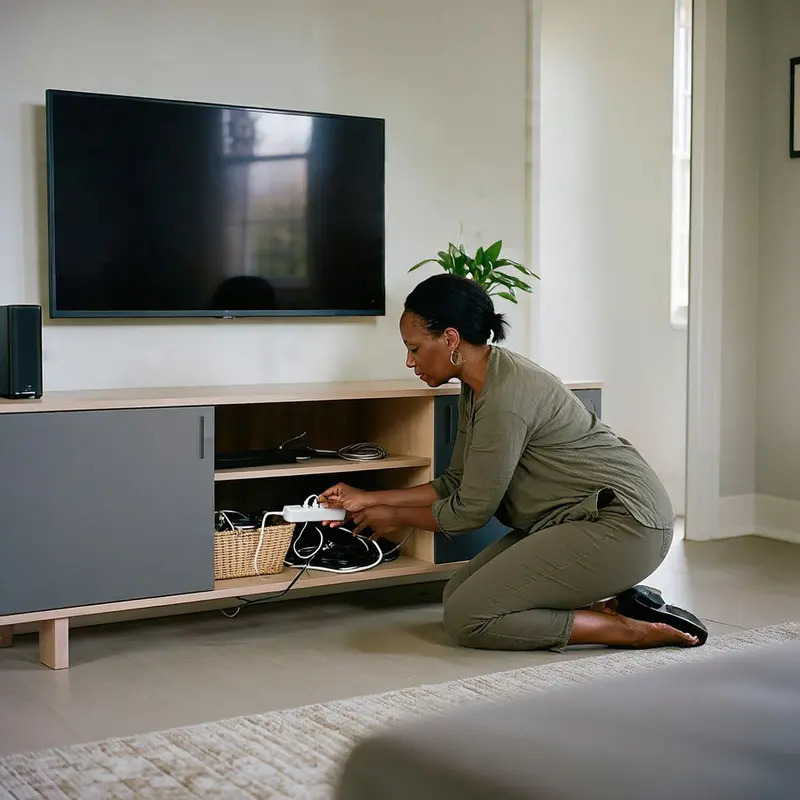
You just saw how styling can either support your life or steal your attention, so it makes sense to tackle the biggest distraction hiding in plain sight. All that visible tech.
Conference-style gadgets have quietly crept into homes, especially in work zones. High-visibility conference hosts, often bundled with all-in-one PCs and interactive flat panels from brands like Lenovo, HP, and Huawei, are part of a market valued at about USD 1.5 billion in 2024 and projected to reach USD 1.6 billion. That’s a lot of shiny hardware sitting on desks, shelves, and credenzas.
If you want a calmer, more intentional room, this is one of the home decor habits to avoid. Visible tech overload turns every surface into a control center. It pulls your eye away from texture, color, and architecture, and it keeps your brain in “on” mode even when you’re trying to relax.
The good news is, the tech world is starting to help you out. Wireless-enabled conference hosts are designed to cut cable clutter and shrink the amount of proprietary gear snaking across your workspace. The shift away from wired systems has been pushed by the rise of mobile devices, and it shows in small but powerful ways. Fewer cords, less setup time, and more flexibility for dynamic home workstations.
This is where concealment becomes a decor superpower. Unified communication trends now blur the line between AV and IT, which means more devices are built to be plug-and-play and certified for platforms like Microsoft Teams and Google Meet. You can often tuck one compact host in a drawer or cabinet, then pull it out only when it’s time to join a call.
The tech overload isn’t just in your office. After the holidays, many parents notice that every “empty” spot a December declutter created is suddenly packed again with new toys and gadgets. That January urge to declutter isn’t just about cleanliness. Clearing out outgrown items genuinely helps you reclaim space and lift your mood when the post-festive blues hit.
In 2026-style family homes, activity cupboards have quietly become tech magnets. Tablets, small projectors, simple cameras, and other devices gather on shelves, often in full view. The research suggests keeping tablets, straightforward cameras, and compact projectors because they support meaningful engagement and align with broader AI-integrated home decor trends. Everything else either needs a concealed home or needs to go.
Try a quick audit. Open your cupboards and scan your open shelves. Ask three questions: Do we use this weekly? Does it make family time better? Could this live in a closed cabinet or a basket instead of in full view?
What you’re really doing is choosing featured tech instead of default tech. Let the few pieces that truly support work or connection stay accessible and attractive, then conceal or cull the rest so your home reads as a place to live, not a showroom of devices.
Once the visual noise of gadgets is under control, it’s much easier to notice something subtler. The colors wrapped around all that tech can either soften it or make it shout, which is where your choices about neutrals and your overall color palette start to matter a lot more.
4) Playing it safe with neutrals: Why flat palettes feel cluttered
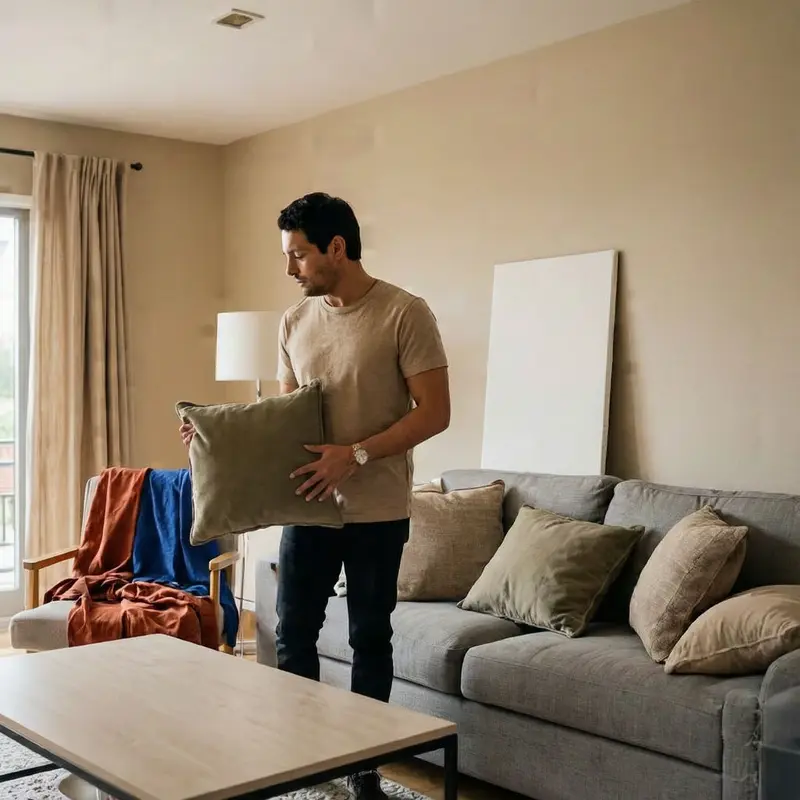
When your gadgets finally stop shouting for attention, you start to notice something quieter but just as powerful. The color in the background. That backdrop either calms everything, or it keeps your rooms feeling visually noisy and cluttered.
One habit that quietly drains the life out of a home? Playing it too safe with neutrals. Neutrals are not the enemy at all. The problem shows up when every wall, sofa, and accessory sits in the exact same cool gray. Instead of serene, the room just feels flat and lifeless.
Right now, warm neutrals are beating out cooler tones. Think warm grays and greige flowing across walls, upholstery, and textiles. They still feel calm, but there’s a softness that takes the hard edge off all your tech and furniture.
If your rooms feel dull or flat, take a hard look at your neutrals and ask yourself if there’s enough depth. Earth tones are an easy way to fix that.
Try weaving in:
- Terracotta and rust, which bring in a grounded, sunbaked warmth without getting loud.
- Sage green, which reads as neutral but adds a subtle, natural freshness.
- Beige and tan, which bridge white walls and darker pieces so your eye can move comfortably through the space.
These tones keep the palette neutral, but they stop that monotonous “rental gray” feeling. They help your home feel collected and lived in instead of cold or sterile.
Material choices matter just as much as paint colors. Natural materials deepen the impact of a neutral palette. Wood and leather bring warmth and texture, which is exactly what a plain gray or white room usually lacks. Light woods especially support a cohesive, calming atmosphere that makes even a busy family room feel more intentional.
If you’re drawn to Scandinavian spaces, notice how they rarely depend on stark white alone. Nordic inspired rooms usually start with white or off white walls to maximize light and cut down on visual chaos, especially where daylight is limited. Then they layer in soft blues, greens, and earth tones, especially in bedrooms and bathrooms, closely following Scandinavian neutral design principles. The result is a quiet psychological comfort that lines up with the idea of hygge. Rooms feel restful and help lower stress instead of competing for your attention.
Minimalist design pushes this idea a bit further. Clean lined furniture in linen, cotton, or leather, all in neutral upholstery, simplifies what your eye has to process. When the big pieces stay visually quiet and timeless, decluttering gets easier, because you’re not dealing with busy patterns on top of already busy layouts.
So rather than stripping your home of color, treat your palette as a tool to calm the room. Choose warm neutrals, add a few earth tones, and lean on natural materials to keep things interesting but peaceful. Once your colors are working for you, it’s much easier to see which furniture pieces should actually live together. That’s exactly what we’ll tackle next when we talk about mixing, not matching, your furniture.
5) Matchy-matchy furniture: How sameness creates visual clutter
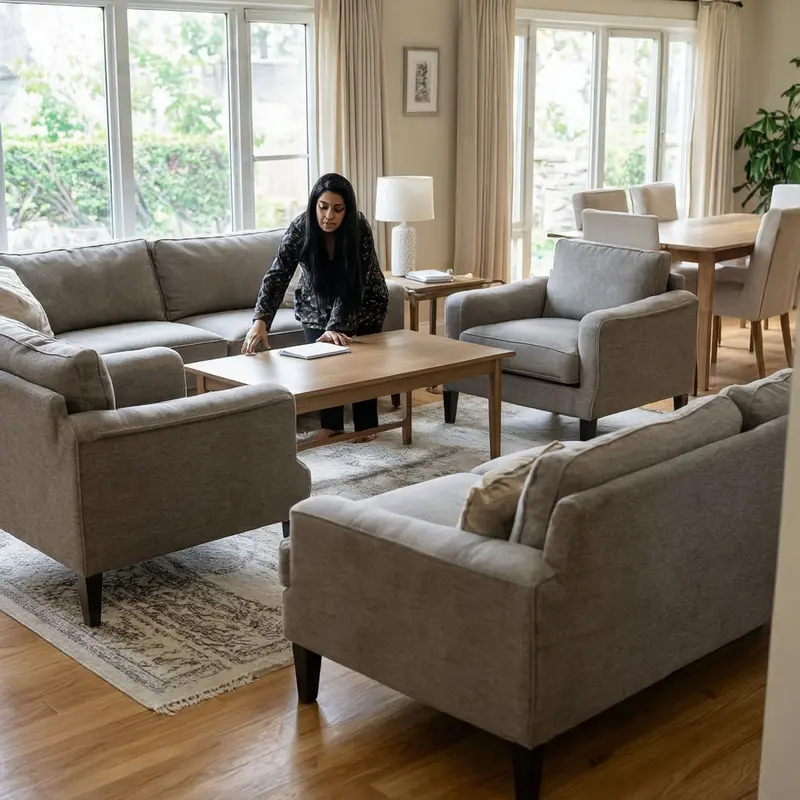
Now that your colors are finally playing nicely together, it’s time to pay attention to the furniture sitting in all that calm.
You probably grew up thinking a matching bedroom or living room set was the dream. In reality, all that matchy-matchy furniture usually creates visual clutter. When every piece is the same color, finish, and shape, your eye has nowhere to rest. That solid wall of sameness can make a room feel smaller, more chaotic, and less functional, even if you actually own fewer pieces.
Economic slowdowns make this even trickier, because a lot of people hang on to full matching suites longer, and furniture inflation has slowed replacement rates. The result? A house full of heavy, identical pieces you feel stuck with.
You’re not stuck.
Research on interiors shows that diverse styles increase room versatility by roughly 20 to 30 percent. In real life, that means you can reconfigure seating, swap side tables, or move a chair to another room without everything looking wrong. Manufacturers already shifted toward modular, customizable systems, and emerging markets are favoring adaptable mid-range models with strong growth, closely aligned with emerging smart furniture design trends. That shift is a big clue about which home decor habits to skip at home.
So instead of buying or keeping full sets, aim to mix, not match. For example:
- Pair a streamlined sofa with a vintage wood coffee table so the contrast breaks up visual monotony.
- Combine different chair styles around a dining table, but repeat one element, such as wood tone or fabric color.
- Keep your big pieces mostly neutral, then mix smaller accent tables or stools from different eras.
- Blend global trends, like a sculptural side chair, with local or inherited pieces instead of buying a full showroom suite.
Rooms that mix thoughtfully selected pieces instead of strict sets can cut perceived clutter by roughly 15 to 25 percent. There’s also a financial upside. Non-matchy interiors are linked to property value increases of up to 8.9 percent, so your styling choices can literally pay off when it’s time to sell.
Your key move is simple. Keep what you truly use, then start breaking up the sets so each piece earns its place and plays well with others. Once you’re confident mixing furniture, you’ll be ready to tackle the next big clutter culprit, which is oversized or overplanned built-in storage.
6) Big built-in storage: When extra cabinets just hold air
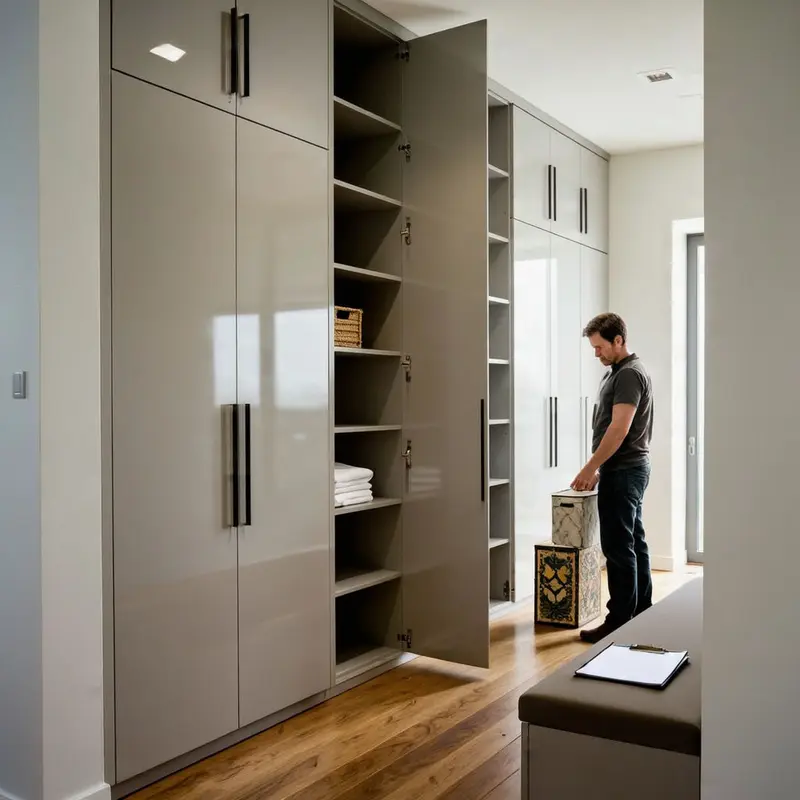
You just learned that mixing furniture sets can boost both style and resale value, and built-ins often feel like the opposite of that flexibility. They promise order forever, yet they quietly turn into one of the biggest home decor habits to avoid.
The problem starts with storage optimism. Renovators picture a future self who’s way more organized and needs far more space than real life ever demands. Research, including recent storage optimism bias research, links this optimism bias to 68% of renovators, who overestimate what they need by roughly 25 to 50 percent. That’s how you end up with a wall of cabinets in the living room that looks impressive on install day, but turns into a mostly empty backdrop of doors.
Within two years, studies show that about 40 to 60 percent of oversized built-in storage goes unused. In other words, you give up visual lightness and flexibility for shelves that mostly hold air. That unused volume still has a cost. It weighs down your sightlines, adds more surfaces to style and dust, and exaggerates visual clutter right where you most want calm.
There’s also the issue of floor space creep. Redundant built-ins can eat up as much as 15 percent of functional floor area. For a decor lover, that’s expensive space you could’ve used for a reading chair, a better traffic path, or even a larger rug that ties your room together. Plus, buyers don’t always see extra cabinetry as a bonus. Homes with oversized built-ins sell about 7 to 12 percent slower than those with standard setups. That hints that many people read them as heavy and hard to work around.
So what do you do if you’re planning a renovation or staring at an existing wall of millwork, wondering if it’s too much? Start with a simple storage audit. For many homeowners, this kind of reality check cuts overplanning by roughly 35 percent. Walk room by room and list what actually needs a permanent home. Count categories, not fantasies. For example: “board games, seasonal blankets, everyday tech” instead of “all the hobbies I might take up someday.”
Once you see your real inventory, it’s much easier to right-size built-ins. Most households are fully served by standard closet sizes of about 50 to 80 square feet. That range covers 85 percent of homes, which means the giant dressing-room cabinetry you see online is often more aspirational than necessary. If you fall within that majority, you can safely trade towering extra cabinets for better proportions, more natural light, or a bench that invites you to linger.
Minimalist storage strategies aren’t about deprivation. They’re about designing for what you truly use. Research shows that people who adopt minimalist storage tend to report roughly 52 percent higher satisfaction than those who go all in on maximalist designs. They also live with about 28 percent less clutter, partly because there are fewer doors to open, fewer shelves to fill, and much less decision fatigue when you put things away. Fewer hiding spots often translate into clearer habits.
The emotional payoff is big. Leaner built-ins mean your favorite objects have room to breathe, walls feel lighter, and you can re-arrange furniture without fighting a bank of cabinetry on every side. It’s a quiet confidence. You know everything has a place, yet the room still feels open and adaptable when your style evolves.
As you plan or edit your storage, aim for “just enough” instead of “never-ending.” Let the real contents of your life dictate the size of your built-ins, not your fears about future clutter. Once you’ve right-sized the storage and freed up some breathing room, you’re ready to think about how often things move through those spaces. That’s where a smart rotation system can completely change how tidy your home feels day to day.
7) No rotation zones: Locking in 70% less visual clutter
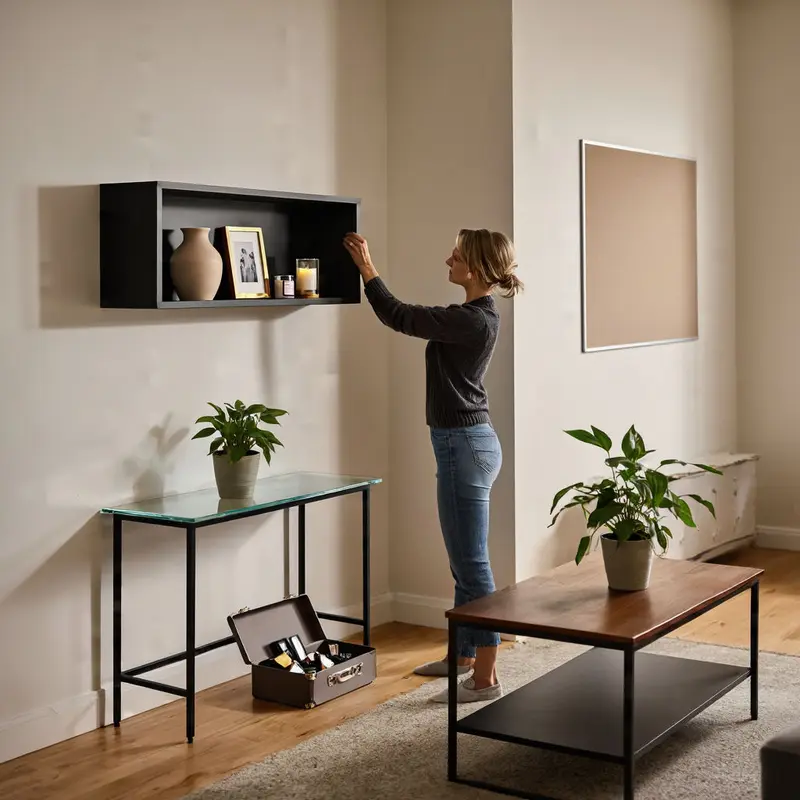
You just sized your storage to fit real life instead of “someday,” so now it’s time to decide what actually gets to live there full time.
This is where no rotation zones come in. A no rotation zone is a spot where decor never cycles in and out of storage. It holds only the essentials and it stays visually steady. When you commit certain shelves, surfaces, and walls to stay static, you instantly cut the urge to keep swapping things and accidentally building clutter.
Homes that use this approach usually fall into two types of areas:
- Static zones that rarely change and hold only your most essential or signature pieces.
- Rotating zones that host decor you swap seasonally so items don’t pile up unnoticed.
When you deliberately label parts of your home as “no rotation,” you’re tapping into behavioral psychology. Out of sight really is out of mind. You see less stuff, reach for fewer backups, and stop treating every horizontal surface like a display case. Research on this method has found it can create roughly a 70 to 80% sustained reduction in visual clutter, with a 60% lower re clutter rate after 6 months. That’s a huge payoff for one mindset shift.
The key is to assess each item for permanency. Roughly half of your decor won’t make the cut once you ask, “Does this deserve a permanent role, or is it just taking a turn in the spotlight?” In many homes, that single question trims about 50% of decor. What stays in static zones becomes your visual baseline. Rotating pieces still get their moment in the sun, but they do it in a controlled way. They move in and out seasonally instead of multiplying quietly in the background.
Think about this system as one of the smart bedroom home improvement ideas that doubles as a home decor habit to avoid future clutter. You’re not banning fun or personality. You’re setting rules that protect your favorite pieces from getting drowned out by extras. Real estate experts even note that homes using this kind of disciplined display tend to sell about 20% faster, likely because buyers see clean lines, clear surfaces, and can imagine their own lives there.
Once your decor’s rotating thoughtfully instead of randomly, you’ll notice how much calmer your rooms feel and how little you miss what you edited out. With your surfaces and storage working intelligently, the next step is to look at the big pieces that shape how you move through the space, starting with bulky furniture and how its scale and mobility affect both flow and clutter.
8) Bulky, inflexible furniture: The silent clutter multiplier
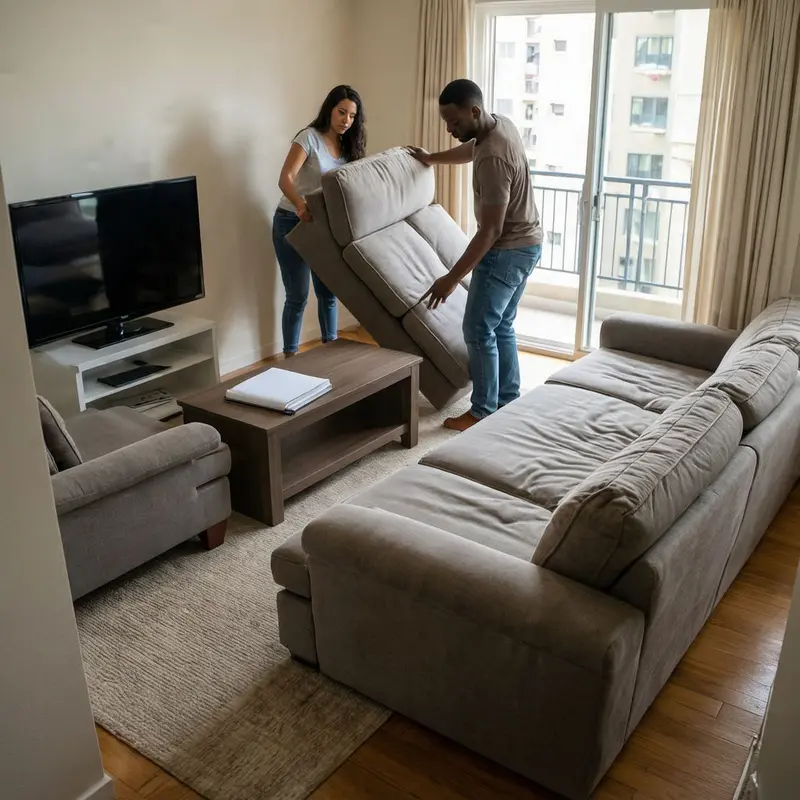
You’ve got your surfaces and storage under control, so now it’s time to ask a tougher question. Are your big furniture pieces quietly undoing all that effort?
Bulky, inflexible furniture is one of the most overlooked home decor habits to avoid. Oversized sofas and massive media units block pathways, which makes every room feel tighter and less breathable. They also trap dust in corners you can’t easily reach, so the space feels heavier and harder to maintain, even when you’re technically “tidy.”
In small apartments, large pieces chew up functional space and practically invite clutter to pile up around them. When there’s no place to walk, you start stacking things on the arms of chairs and the edges of coffee tables. The furniture turns into a wall instead of a backdrop.
There’s another problem. Inflexible designs fight change, so it feels like a huge ordeal every time you want to tweak your decor or improve the flow, and the effects of inflexible furniture can quietly undermine every attempt you make to simplify your home. That resistance makes you less likely to make good decisions for the room, so clutter wins by default.
Now contrast that with modular sofas and other movable pieces. You can rearrange things quickly to open up a walkway for guests or create a clearer sightline to a window. Faster setups make it more likely you’ll reset the room after a gathering, which supports your anti-clutter habits instead of working against them.
When you remove even one bulky item, you immediately cut visual noise. Less visual clutter usually brings a real lift in mood, because your eyes aren’t working overtime to filter out all that mass.
So use furniture scale as a filter. Choose pieces you can shift, separate, or reconfigure, and let go of anything that blocks movement or demands its own permanent corner. The more flexible your furniture, the easier it is for your home to stay light, functional, and comfortably clutter free.
Final thoughts
Stepping back, a clear story emerges about why some homes feel calm while others feel crowded, even when they hold a similar amount of stuff. Habit plays a massive role, from keeping outdated accents in rotation to chasing picture perfect styling at the expense of function. Economic pressures encourage us to cling to full furniture sets and oversize storage, while social trends surround us with ever more devices and décor options that compete for attention. When you start questioning these patterns as a whole, you see that clutter is as much about decisions and defaults as it is about objects.
The encouraging part is that small, deliberate shifts compound quickly once you know which home decor habits to avoid. Choosing rotation over accumulation, flexibility over bulk, and warmth over flat sameness turns your rooms into supportive backdrops instead of constant to do lists. You do not have to change everything overnight, you only need to keep nudging your home toward clarity and ease. If each edit makes the space feel a little lighter and more like you, what new possibilities might your home unlock next year that you cannot quite imagine yet?
Ready to transform your space with smart, stylish design ideas? Contact OnInitiative.com ([email protected]) today and let our experts help you reimagine home decor with creativity and purpose!
About us
OnInitiative.com is an innovative marketplace that helps e-commerce businesses boost productivity and community growth through advanced automation tools.
Further reading
Leave a comment