














No products in the cart.

Shop this story
Is DJI overhyped? The truth about FCC’s drone ban for hobbyists
by Joseph L
You bought a drone to fly, not to decode policy headlines. Yet “FCC drone ban hobbyists” keeps popping up, and it’s hard not to wonder if your weekend flights are about to become a legal headache.
The tricky part is that the loudest claims mix up three different fears: whether flying is allowed, whether buying new gear stays easy, and whether the drone you already own will still feel supported a year from now. That last one is the sneaky one. A hobby can stay legal while slowly getting harder to keep up, harder to repair, and harder to trust when you’re out in the field.
Trend analysis: Why DJI hobbyists aren’t actually banned
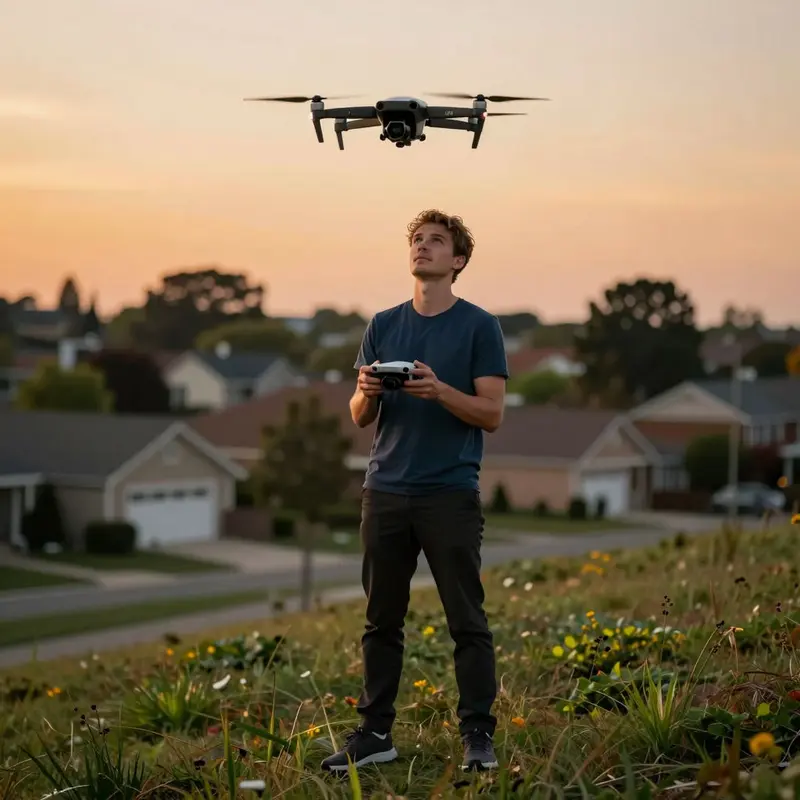
The drone story you’ve probably heard isn’t quite the one that’s actually unfolding. If you’re a hobbyist watching headlines about regulatory crackdowns, national security warnings, and brand-name bans, you could be forgiven for thinking the sky itself was closing. The reality in 2026 is less dramatic, and a lot more useful to understand.
Here’s what the noise is actually about. DJI, the dominant drone manufacturer in the consumer hobby market, has faced scrutiny at the federal level, with the Pentagon pressing the FCC to keep the company’s new equipment off approved lists due to national security concerns. That’s a real and ongoing policy tension. But “new equipment restrictions” and “a total ban on flying” are two different things, and the gap between them is where most of the confusion lives.
If you already own a DJI drone, the law is straightforward: you can still fly it. The FCC’s current position allows continued operation of owned DJI equipment under existing FAA rules, meaning the drone in your closet or garage isn’t illegal, isn’t grounded, and isn’t the subject of any enforcement action against hobbyists. The rules in place focus on enterprise-level procurement and new equipment authorization, not on the millions of recreational pilots who bought their aircraft in good faith.
This distinction matters if you’re a hobbyist trying to make a sensible decision right now.
The chatter around an “FCC drone ban hobbyists” supposedly face is largely a media amplification problem. Partial restrictions on new commercial and government acquisitions have been stretched, in some coverage, into narratives of sweeping prohibition. They aren’t the same thing, and treating them as equivalent leads to bad decisions.
What this policy landscape actually reveals is something worth sitting with: the regulatory pressure is targeted, not blanket. Existing drone users are explicitly protected under the current framework. For anyone in the hobby space, the practical reality is that your equipment remains legal, your airspace access is still governed by the FAA rules you already fly under, and the existential threat many feared hasn’t materialized.
That clarity only resolves one layer of the question. The more useful conversation is what the tech hobbyists are flying is still doing what they need, and which quiet limitations are shaping the experience.
The toolkit audit: Why DJI still works for hobbyists
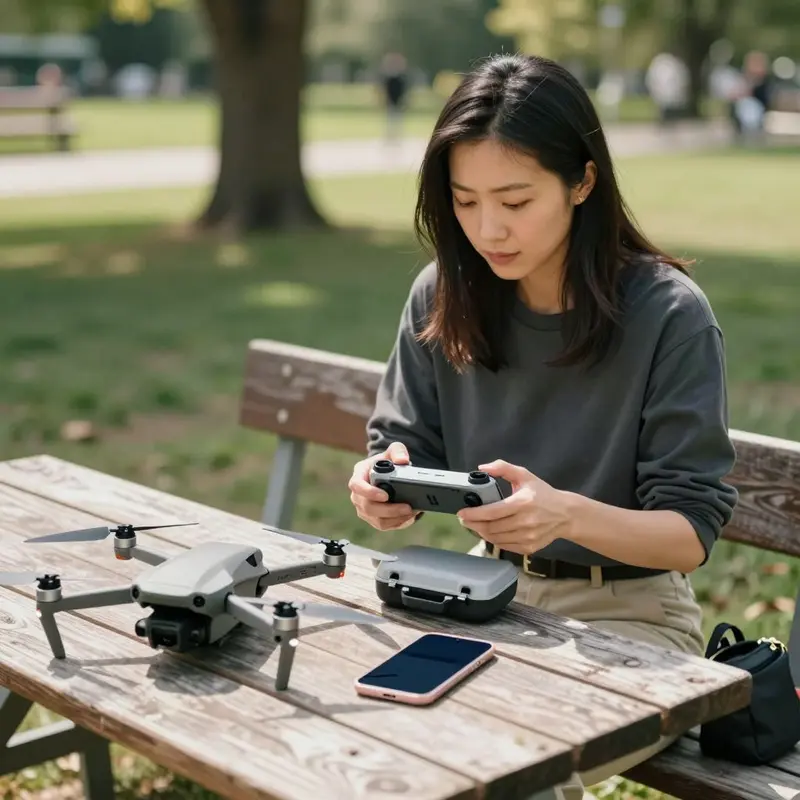
Picture the shelf: a DJI Pocket 4 in your living room, fully charged, ready to fly, and completely legal to operate. That image is the starting point for an honest audit of where hobbyists actually stand, because a lot of the noise around the so-called FCC drone ban hobbyists coverage has obscured something simple: what you already own is not in dispute.
The Restrictions that exist target new purchases and imports, not operation. US retailers have been put in a position where stocking fresh DJI inventory becomes legally complicated under proposed FCC rules, and that is a real friction point. But friction at the point of sale is a different problem from a flight ban, and conflating the two has been the media’s defining mistake throughout this story. Your existing equipment is operational. Your ability to fly it hasn’t changed.
That doesn’t mean the purchase environment is frictionless. It isn’t. But hobbyists have shown considerable resourcefulness in working around it, sourcing gear through international retailers or pre-ban stock that was already in distribution channels before the restrictions took hold. Neither path is invisible or effort-free, and neither should be romanticized. They’re workarounds, and workarounds have edges.
What’s worth examining more closely is the gap between the regulatory story and the equipment story. The technology most hobbyists rely on still performs. The capabilities that made DJI products appealing haven’t degraded because of a policy dispute. You’re not flying inferior hardware. The practical ceiling on what your gear can do remains where it was.
The harder question sits just beneath that reassurance, though. Operational legality and purchase access are only two dimensions of the hobbyist experience. The third is whether the tools built to support responsible flying, the compliance systems and airspace-awareness features, are keeping pace with what hobbyists actually run into out in the field. If that support layer lags, the hobby doesn’t just get harder to shop for. It gets harder to fly well, and that gap won’t close on its own.
Methods and gaps: When ‘legal’ flying stops working

The compliance picture for the FCC drone ban hobbyists are navigating looks less like a wall and more like a patchwork of permissions that quietly narrows over time. Your current DJI drone isn’t illegal. The FCC restrictions didn’t reach backward to disable devices that already cleared authorization, which means if you own a Mavic or Mini today, you’re flying within the law. That clarity is real, and it matters.
But clarity about what you can do today doesn’t tell you much about what you’ll be able to do next year, or the year after that. The restrictions operate on the forward edge, not the existing inventory, and that’s where the gaps start to show.
Three distinct pressure points define how these restrictions play out for anyone actively flying:
- New DJI models can’t receive FCC authorization, which means the product pipeline you’d normally shop from has effectively closed. Any drone DJI releases going forward is off the table for U.S. buyers through legitimate channels.
- Future DJI hardware is blocked from U.S. import, so even gray-market acquisition carries legal exposure that wasn’t part of the calculus before.
- Replacement parts, including batteries and controllers, are getting harder to source as supply chains adjust to the new authorization landscape. Your current drone may remain legal, but keeping it airworthy is a separate and growing challenge.
Together, these three pressures describe a system where legal ownership doesn’t automatically translate into sustainable flying. The compliance tools were built for a stable market, not one where the dominant brand is being cut off at the supply level.
This is where the support layer that the previous framework promised starts to show its age. Airspace-awareness features, firmware update schedules, replacement part ecosystems: all of these assume that the hardware in your hands will keep receiving institutional backing. When that backing erodes not because your drone broke any rules, but because the rules shifted around it, the gap becomes something you feel on every flight, not just when you’re shopping.
So the practical question isn’t whether your drone is legal. It’s how long the surrounding system will keep treating it like a current, supported product, and what you’ll do when basic upkeep turns into the main constraint on flying.
Strategic verdict: When to switch from DJI
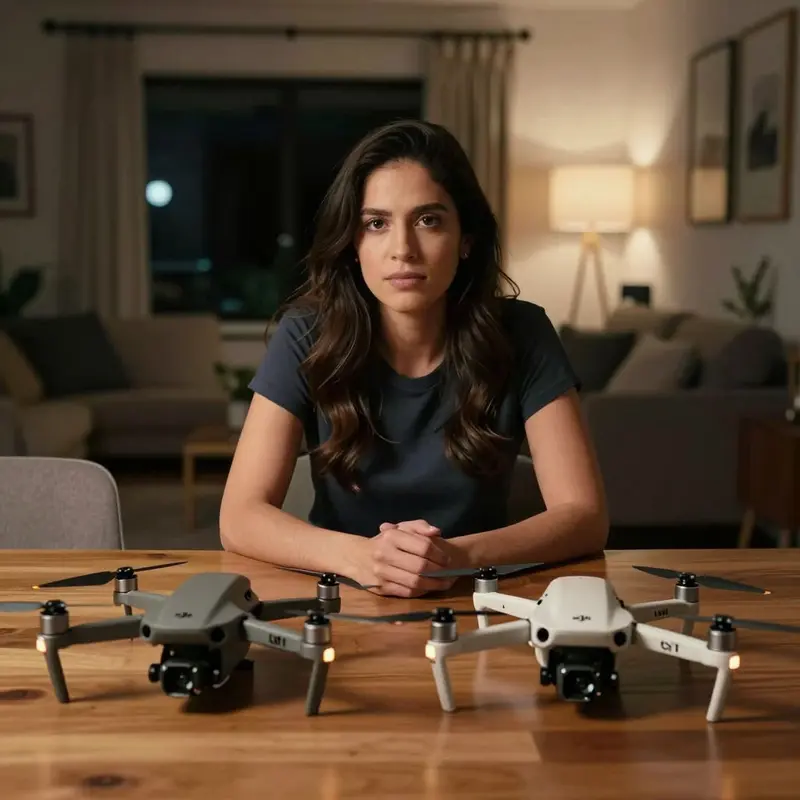
The argument isn’t actually about DJI. It never was.
What the FCC drone ban hobbyists are now dealing with is a supply chain realignment dressed in regulatory language, and the clearest signal is DJI filing suit against the FCC in February 2026 over due process concerns. That lawsuit doesn’t change the rules today, but it tells you the situation is genuinely contested, not settled. The policy is live, the legal challenge is live, and the outcome affects every foreign-made drone that hasn’t yet received equipment authorization.
Here’s what the current situation actually gives you to work with:
- Existing DJI drones that already hold FCC approval remain fully legal to fly. Your gear isn’t contraband; it’s grandfathered hardware with a shrinking support horizon.
- Skydio and BRINC are among the U.S. and allied manufacturers scaling production to fill the gap the new rules create. They’re building toward a market that didn’t fully exist two years ago.
- New foreign-made models are blocked from FCC authorization going forward, which means the DJI pipeline into the U.S. consumer market is effectively frozen at its current inventory level.
Those three points don’t quite capture the full picture on their own: you’re not in danger, but you are in a transition. The equipment you own today keeps its value and its legality. What it loses, gradually, is its place in a living ecosystem of firmware updates, replacement parts, and retailer support.
The practical posture here is patience with a deadline. Fly what you have. Document what you own. Watch for whether Skydio or BRINC produce something that fits your use case, because that market is being deliberately constructed right now. Domestic manufacturers have regulatory tailwinds that no Chinese competitor can currently match, and that gap will shape what’s available to you within the next product cycle or two.
You’re not really choosing a drone brand so much as choosing your timing: how long you want to ride hardware that’s excellent but increasingly orphaned, and how early you’re willing to commit to alternatives that are catching up fast. Neither answer is wrong. The mistake is pretending the ecosystem will wait for you.
Final thoughts
The real shift isn’t a sudden grounding of hobby pilots. It’s a slow change in what “owning a great drone” even means, because the value of your aircraft depends on the support systems around it, not just the camera and the motors.
Think of it as patience with a deadline. Your current setup can still be the right call, but only if you treat it like gear with a shrinking runway and plan accordingly. If you ignore that runway, you’ll feel the squeeze in small, annoying ways long before you feel it in the air. That’s the practical lesson hidden inside the FCC drone ban hobbyists keep hearing about.
Further reading


Leave a comment