
















No products in the cart.

Shop this story
How to Boost E-Commerce Sales with AI Real-Time Inventory
by Joseph L
AI real-time inventory management has revolutionized the way e-commerce businesses operate, providing an edge in a highly competitive market. With the recent advancements in AI technology, e-commerce platforms can now leverage AI to optimize inventory levels, reduce stockouts, and improve customer satisfaction, driving a significant boost in sales.
For entrepreneurs eager to harness the power of AI, understanding these technological shifts is crucial. This article unpacks rich AI insights for real-time inventory management and explores how these tools are unlocking new paths to success. We will delve into personalization strategies, virtual shopping assistants, and success stories from leading retailers to reveal the profound impact of AI on e-commerce growth.
Unlock AI-Powered Real-Time Inventory Insights
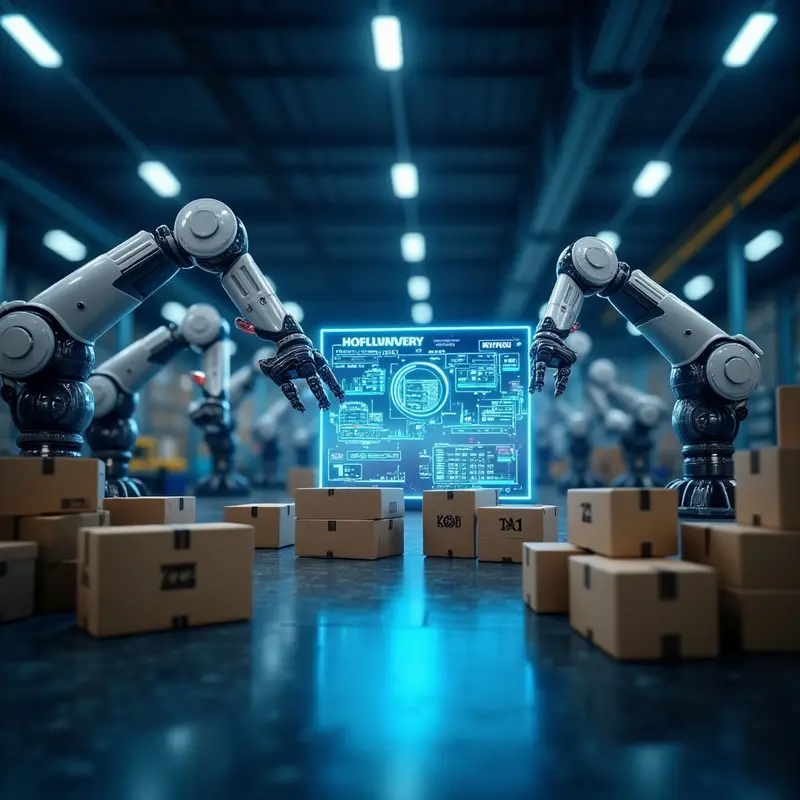
In the rapidly evolving world of e-commerce, leveraging AI for real-time inventory insights has become essential for entrepreneurs. The implementation of AI-driven inventory management is not merely a passing trend; it serves as a transformative tool that enables companies to respond adeptly to market fluctuations. The recent debut of Europe’s Jupiter supercomputer, capable of executing one quintillion calculations per second, signifies a monumental leap in technology. This advancement not only enhances Europe’s stature in the global supercomputing race but also boosts the development and application of AI technologies worldwide.
As AI technology reshapes multiple industries, its influence extends to the job market as well. In 2025, the unemployment rate among recent U.S. college graduates reached 5.8%, partly due to AI’s intrusion into many entry-level jobs. This circumstance highlights the dual nature of AI’s impact—while it fosters efficiency and innovation, it also necessitates a shift in workforce demand.
In the realm of healthcare, noteworthy advancements such as Alphabet’s Isomorphic Labs’ innovative AI-designed drug trials set to start in 2025 are poised to make a significant difference. This endeavor underscores AI’s potential to address serious health challenges, including cancer, reflecting its transformative capacity across sectors well beyond its initial applications, similar to its role in inventory management.
In a climate marked by geopolitical tensions and economic uncertainties, the crucial role of AI can hardly be overstated. As entrepreneurial strategies adapt, harnessing AI-driven insights emerges as a pivotal tool for navigating these complexities. The integration of AI technologies into various domains underscores the persistent innovation that entrepreneurs must embrace.
Looking forward, adopting AI’s role in elevating sales through personalized approaches is not just beneficial but essential. In the next chapter, we will delve into how AI-driven personalization techniques can enhance customer engagement and stimulate sales growth, and how resources like Google AI tools for businesses can support implementation.
AI-Powered Personalization for Entrepreneur Success

The rise of AI technology is reshaping how entrepreneurs engage consumers, revolutionizing sales strategies in unprecedented ways. At its core, predictive customer behavior modeling leverages AI to analyze past browsing, purchase, and engagement data, unveiling patterns that can inform future actions. By enabling businesses to anticipate upcoming customer behaviors, this technology facilitates the creation of timely, personalized offers that resonate deeply with potential buyers.
These targeted interactions significantly enhance conversion rates, particularly in sectors like B2B distribution. Here, predicting client reorder times through such modeling allows for perfectly timed outreach, ensuring that products and services remain top-of-mind when customers are ready to make a purchase. This precision tailoring is further enriched by AI-based customer segmentation. Through clustering algorithms, businesses can identify nuanced consumer groups with shared behaviors, even when such patterns aren’t immediately apparent. This capability allows companies to dynamically target customers with unprecedented precision.
Personalization engines are at the forefront of improving the buying experience. These engines not only provide product recommendations but also adapt search results, content, pricing, and every user interaction based on real-time data and individual customer profiles. Given that 80% of consumers prefer personalized interactions, entrepreneurs who harness this power are likely to witness a notable boost in loyalty and sales, especially as artificial intelligence enhancing user experience becomes a mainstream expectation.
Moreover, evolving technologies like OpenAI’s ChatGPT-5 introduce customizable AI personalities that enhance user communication styles, strengthening personal connections. This customization extends beyond text to include voice interactions in the near future. Such innovations empower companies to fine-tune their approaches, tailoring generative AI models to meet specific business needs, from nuanced text outputs to adaptive sales data analysis.
As entrepreneurs embrace AI-driven inventory management, the seamless integration of personalization strategies creates fertile ground for success. This builds towards a fully connected ecosystem that will naturally lead to the next frontier—intelligence-driven conversational tools in the chapter on Intelligent Chatbot Deployment.
Boost Sales with AI Chatbot Solutions

As startups explore the dynamic realm of e-commerce, the integration of real-time AI chatbots has emerged as a transformative solution to enhance sales. AI-driven inventory management plays a crucial role by ensuring that customer interactions are always informed by accurate, up-to-the-minute stock data. This seamless amalgamation of inventory data with customer service interactions can significantly enrich user experience and drive sales.
In the competitive e-commerce landscape, customers demand instant responses and personalized shopping experiences. Here, AI chatbots not only provide swift answers to queries but also tailor suggestions based on current inventory levels. This means that when a chatbot recommends a product, it is aware of precisely what is in stock, thereby reducing the likelihood of promoting unavailable items and improving customer satisfaction. For instance, South Korea’s advancements in AI showcase how innovative solutions can be strategically employed to maintain a competitive edge in delivering digital service excellence, a trend explored in How AI is revolutionizing marketing.
Moreover, global technology leaders, such as the AI models developed using Europe’s Jupiter supercomputer, demonstrate an increasing capability of chatbots to manage more interactive and sophisticated customer interactions. This remarkable processing power facilitates real-time personalization, a key differentiator in the e-commerce arena. As AI technology continues to evolve, regulations like those surrounding the U.S. Justice Department’s scrutiny of ServiceNow’s acquisition of Moveworks, remind entrepreneurs of the shifting landscape that necessitates compliance and ethical deployment.
In conclusion, integrating AI chatbot solutions with real-time inventory data not only optimizes the shopping experience but also resonates with broader technological trends and regulatory dynamics. With the next chapter delving into user experience innovations, entrepreneurs are encouraged to consider how AI capabilities can metamorphose customer interaction strategies into more immersive and dynamic experiences.
Elevate User Experience with AI Innovations

The evolution of AI in e-commerce is fundamentally transforming how businesses operate and engage with customers. Generative AI and next-generation models are leading this shift, revitalizing how companies create content, support customers, and manage organizational knowledge efficiently. Companies such as Klarna and Morgan Stanley exemplify this trend by integrating generative AI into their customer service operations, enhancing customer interactions while scaling financial advisory services. These adaptations ensure a more seamless and personalized customer journey, increasing user satisfaction.
AI-powered personalization is reshaping user interfaces, resulting in more intuitive and responsive platforms. It’s predicted that by 2026, one-third of applications could feature these adaptive interfaces, a testament to AI’s growing influence. For entrepreneurs, this presents a tangible opportunity to boost revenues significantly; reports suggest that leaders in AI personalization have observed up to a 40% increase in revenue. Such personalization not only enhances user engagement but fundamentally changes the interface dynamics, making it easier for consumers to interact with digital environments.
Furthermore, innovations in AI-driven search and navigation are redefining how users access information. Tools like Google’s ‘Web Guide’ and ‘AI Overviews’ are not just reorganizing how search results appear but also streamlining the exploration of complex queries. This evolution in information access empowers billions, making the journey from query to answer more efficient and satisfying.
Adding depth to user interactions is the customization of AI personalities in chatbots. By allowing users to select preferred interaction styles, companies create distinctive user-specific experiences that foster loyalty and retention.
As businesses increasingly leverage these AI innovations to refine customer experiences, the examples set by industry leaders provide a robust blueprint for adopting these technologies effectively. The next chapter will delve into how retail giants implement AI solutions to drive market gains, situating those strategies within the broader context of AI and the future of work.
AI-Driven Success Stories of Retail Leaders
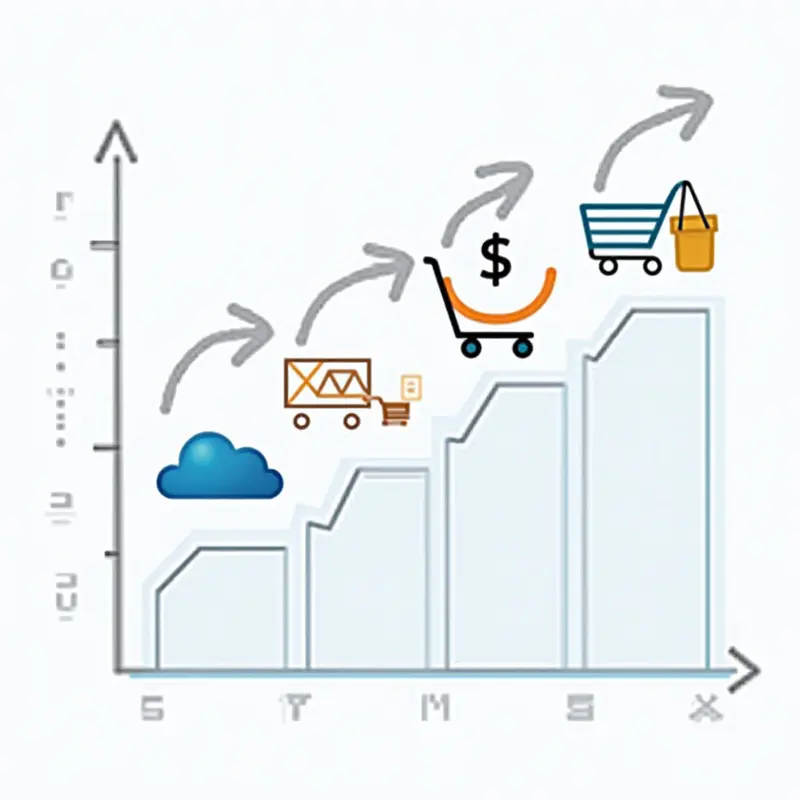
In today’s vibrant e-commerce landscape, the ability to harness AI technology has become critical for businesses aiming to thrive. During the challenges posed by the COVID-19 pandemic, Home Depot smartly utilized AI-driven predictive systems to simulate various supply chain scenarios. This strategic initiative enabled the company to achieve an exceptional 94% product availability, a figure that significantly surpasses its competitors. For entrepreneurs, this underscores the potential of AI-enhanced inventory management to not only sustain but also boost operational efficiency.
Moreover, Home Depot’s implementation of AI solutions resulted in improved inventory turnover, facilitating swifter sales cycles and cutting costs related to excess inventory. This shift led to lowered stockout rates and reduced markdown percentages, essential elements for maintaining robust profit margins. Such insights can provide entrepreneurial readers with a framework for an AI-powered business strategy that minimizes working capital needs while enhancing responsiveness to market demands.
In contrast, ASOS embraced a different avenue for AI application, integrating visual search technology into its shopping app. This feature allows customers to upload images to discover similar products, making the shopping experience both intuitive and personalized. By leveraging machine learning to analyze visual attributes, ASOS greatly enriches customer engagement through customized recommendations. These innovations highlight the transformative nature of AI tools in enhancing customer satisfaction and interaction.
Together, these examples illustrate a broader trend: AI uniquely adapts to various business models, driving tailored efficiency and amplifying customer relations. As we move forward, it is crucial to comprehend the financial ramifications of such technologies on the bottom line. This exploration of AI-driven successes seamlessly leads into the financial aspects these advancements will bring to e-commerce, paving the way for a detailed look at tangible business benefits.
AI’s Financial Boost for E-Commerce Profits

In the ever-evolving landscape of e-commerce, the integration of AI has sparked a significant transformation in how businesses operate and engage with their customers. A vibrant surge in online sales, climbing by 6.7% during the 2024 holiday season, is a testament to AI’s potential to boost profitability. This growth isn’t merely numerical; it’s transformative, illustrating how AI can shape consumer experiences through strategic enhancements.
One significant factor in this digital renaissance is AI real-time inventory management. By optimizing how products are stocked and advertised, businesses have not only saved time but also reduced operational costs. Retailers who integrated AI technologies from 2023 to 2024 saw an impressive average profit increase of approximately 8% annually, a stark contrast to those who lagged behind technologically. This highlights a pivotal advantage AI offers: the ability to keep pace with or even outstrip competitors in profitability.
The evolving e-commerce marketplace further showcases the impact of AI across different sectors. With personalized recommendations reaching a 47% adoption rate and conversational AI solutions seeing 36% usage in e-commerce, the focus on customer engagement is clear. When businesses harness these technologies, they enhance sales effectiveness, making every customer interaction more personalized and productive.
Moreover, the anticipated global expansion of AI in retail, projecting growth from $9.97 billion in 2023 to an astonishing $54.92 billion by 2033, is fueled by AI’s ability to democratize marketing capabilities. This growth empowers small and medium enterprises to compete fiercely against larger counterparts, and insights into Global AI retail market growth highlight how AI technologies can level the playing field.
In conclusion, businesses leveraging AI in their operational strategies are not just following a trend—they’re securing a future-proof investment in sustained growth. With AI enhancing customer service, sales processes, and supply chain management, it’s no surprise that AI’s financial influence is expected to reach an annual economic impact of up to $660 billion in retail. As we close this chapter, the message is clear: embracing AI is not just a strategic choice but a necessary one for thriving in the evolving digital economy.
Final thoughts
Throughout our exploration, AI demonstrates its capacity to truly transform e-commerce. Real-time inventory insights unlock efficiency, personalization fosters stronger connections, and chatbots enhance customer engagement. These innovations, illustrated by leaders like Home Depot, showcase AI’s role in boosting sales and customer satisfaction.
The potential of AI real-time inventory management to reshape the future of e-commerce is immense. By embracing these technologies, businesses can not only keep pace with market demands but also set new standards in customer experience. Entrepreneurs aiming for success must seriously consider integrating AI into their inventory strategies for sustainable growth.
Ready to elevate your business with data-driven strategies and expert insights? Contact OnInitiative.com ([email protected]) today and let our team help you grow smarter, faster, and more efficiently!
About Us
OnInitiative.com is an innovative marketplace that helps e-commerce businesses boost productivity and community growth through advanced automation tools.
Walmart’s AI Cash Flow Secret Nobody’s Talking About
Sep 10, 2025
Further reading


Leave a comment