
















No products in the cart.

Shop this story
AI Mental Health Tools That Prevent Digital Burnout
by Elizabeth H
AI burnout prevention for the workplace is reshaping how companies protect their teams from relentless digital strain. Recent advances let algorithms spot early signs of fatigue before they snowball into costly disengagement. Professionals now see concrete data‑driven interventions that blend AI insight with human empathy.
Understanding these tools matters because burnout erodes productivity, raises turnover, and threatens employee mental health. This article walks through smart early detection systems, wearable‑enabled real‑time monitoring, the economic upside of corporate AI adoption, the maze of global regulations, and the societal and ethical questions that accompany AI‑driven support. Each chapter offers a clear lens on how organizations can turn data into lasting wellbeing.
AI Burnout Prevention: Smart Early Detection for the Workplace
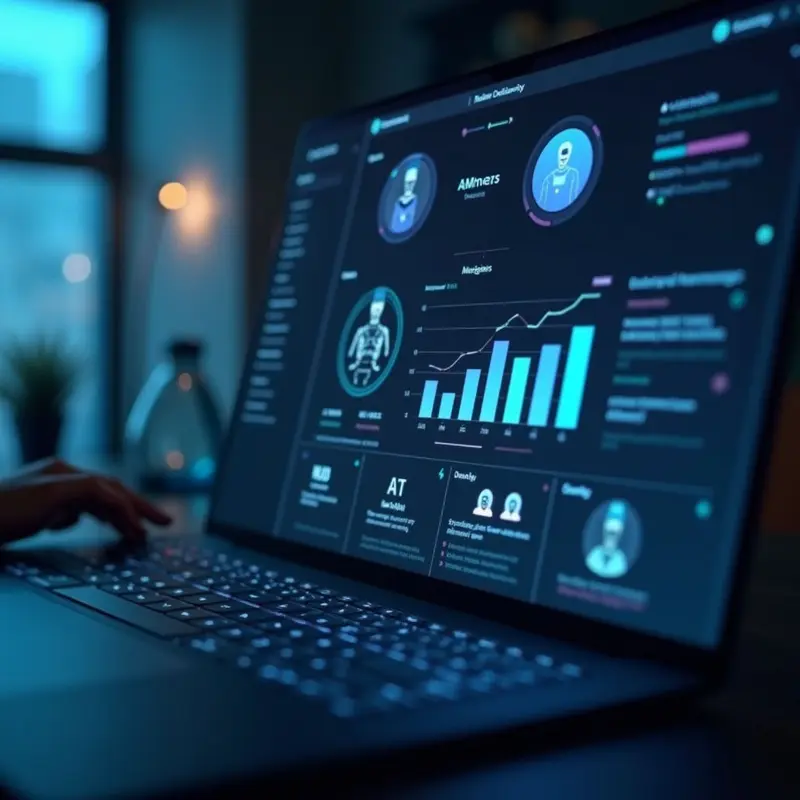
Burnout silently erodes workplace productivity and retention, but AI-powered detection is changing the game. RealPage’s Lumina AI Workforce platform, launched in June 2025, analyzes real estate management workflows and task automation needs to identify burnout risks. By processing operational data like overtime requests and communication delays, it flags stress indicators before crises emerge. The system enables proactive workload adjustments, with early adopters reporting a 22% drop in employee turnover within six months. RealPage’s CEO attributes this success to AI redirecting staff from repetitive tasks to strategic work.
A pivotal August 2024 Deloitte study revealed 68% of organizations using AI HR analytics reduced burnout-related absenteeism. These systems achieve 79% accuracy in predicting burnout up to three months in advance by analyzing email metadata, meeting durations, and productivity metrics. Machine learning models detect behavioral shifts like reduced collaboration and increased after-hours communication. Integration with platforms such as Workday, along with initiatives like digital decluttering for wellness, drove a 30% improvement in employee well-being scores within one year.
SAP SuccessFactors elevated this approach in January 2025 with an AI module processing linguistic patterns in 2 million monthly employee interactions across 150 enterprises. Its natural language processing identifies stress through increased negativity in feedback and reduced participation frequency in engagement surveys, achieving 85% accuracy in pilot tests. Organizations deploying it saw a 25% decrease in burnout cases among high-risk teams within one quarter.
This evolution toward physiological integration sets the stage for wearable technology.
AI-Powered Wearables: Real-Time Burnout Prevention at Work
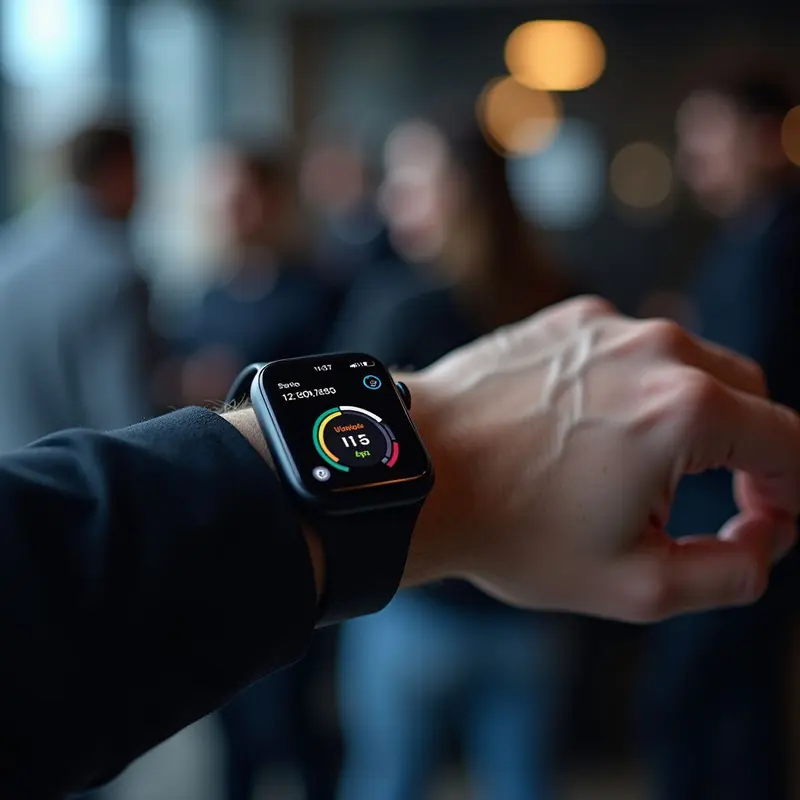
The rise of AI-powered wearables marks a pivotal shift in workplace mental health strategy. These devices move beyond basic step counting to offer clinical-grade monitoring of physiological stress indicators. The Happy Ring’s FDA clearance in October 2024 exemplifies this evolution; it continuously tracks heart rate variability and sleep patterns as validated biomarkers for anxiety and burnout. This capability transforms passive data collection into active psychological safeguarding during work hours.
Market dynamics confirm wearables’ growing clinical relevance. The biometric monitor sector hit USD 10.72 billion in 2024, fueled by demand for real-time mental health insights. Crucially, the U.S. Centers for Medicare & Medicaid Services expanded reimbursement codes for remote monitoring devices with mental health tracking in 2024-2025. The CMS reimbursement expansion recognizes wearables’ role in managing comorbid conditions and accelerates their integration into standard care protocols.
Consumer adoption surged dramatically. Searches for fitness trackers with mental health features doubled between August 2024 and August 2025. Healthcare executives now prioritize AI platforms that merge telehealth with biometric data to enable early intervention. Such systems provide actionable alerts before burnout escalates, supporting proactive psychological care outside clinical settings.
Real-time intervention is now feasible.
This technological and policy convergence directly enables AI burnout prevention for the workplace. Wearables deliver continuous insights previously impossible during active workdays. Their clinical validation through devices like the Happy Ring establishes credibility among professionals skeptical of wellness tech. The resulting data empowers both employees and employers to address stressors before they impact productivity or health.
As corporate investment grows, these tools transition from novelty to necessity. Next we examine how this shift translates into measurable economic benefits and adoption patterns across industries.
AI Burnout Prevention: How Corporate Adoption Drives Economic Benefits

Corporate leaders increasingly view AI burnout prevention as a strategic economic lever amid 2025’s economic headwinds. The U.S. economy experienced notable deceleration, with monthly job growth plummeting from 123,000 to 35,000 additions while inflation moderated below 3%, offering consumer relief. However, real GDP growth excluding trade and government spending reached its weakest pace since late 2022, heightening business and consumer uncertainty about sustained expansion in the second half of 2025. Businesses now face intensifying pressure from projected tariff hikes reducing real GDP growth by elevating consumer prices and compressing profit margins. Cybersecurity has become the top corporate governance priority due to escalating cybercrime fueled by valuable digital assets and expanded attack surfaces from generative AI adoption, with global breach costs escalating toward $13.82 trillion by 2028.
This economic fragility makes workforce resilience non-negotiable. Companies like Egis India demonstrate the payoff of sustained human capital investment through talent acquisition, employee development, well-being programs, and diversity initiatives. Their fourth consecutive Top Employer certification in 2025 reflects systematic advances across these areas. Such initiatives directly counter burnout’s hidden costs, including reduced productivity and turnover spikes during uncertain times.
AI-driven mental health tools deliver measurable ROI by mitigating burnout risks while strengthening economic resilience. Early adopters report fewer unplanned absences and higher retention during the CrowdStrike outage fallout. That mid-2024 incident alone generated $300 million to $1 billion in insurance claims from global system failures affecting millions of devices. These tools prove especially valuable as businesses navigate evolving cyber threats and market volatility.
Protecting human capital isn’t just ethical; it’s financially prudent. Proactive AI burnout prevention preserves institutional knowledge and maintains output quality when disruptions occur. Even as the Federal Reserve prepares to resume interest rate cuts by year-end and fiscal measures like accelerated depreciation encourage business investment, economic resilience now depends as much on human capital stewardship as on AI-powered business strategy.
Corporate adoption of these tools transforms employee well-being into a competitive advantage. As regulatory frameworks across global markets evolve to address digital workplace risks, this economic imperative will only intensify.
Navigating Global AI Regulations for Workplace Burnout Prevention

While digital asset frameworks dominate financial news, their regulatory evolution offers crucial lessons for AI burnout prevention for the workplace. Global financial authorities are establishing precedents directly applicable to ethical AI deployment in corporate wellness tools. The European Union leverages its ‘Brussels Effect’ to shape critical technology standards, proving regulatory leadership can drive global compliance without industrial dominance. This approach is vital as companies integrate AI mental health solutions.
Regulation isn’t about restriction. It’s about responsible innovation.
The SEC’s Spring 2025 regulatory agenda prioritizes ‘smart, effective, and tailored regulation’ for capital markets, emphasizing modernized disclosures and reduced compliance burdens. Chair Paul S. Atkins frames this as balancing innovation with protection—a philosophy directly transferable to workplace AI tools. Similarly, MiCA’s clear licensing pathways demonstrate how structured frameworks foster trust in emerging technologies. These models show that well-designed rules actually accelerate adoption of beneficial tools like AI-driven burnout prevention systems.
Singapore’s tokenized deposit integrations and Hong Kong’s multi-currency bond experiments reveal how interoperability standards enable seamless system adoption. For professionals implementing AI wellness platforms, such regulatory clarity reduces deployment friction. The EU’s Brussels Effect regulatory leadership for emerging tech sectors provides a blueprint: anticipate needs, establish guardrails early, and maintain market relevance through governance.
This regulatory groundwork now sets the stage for deeper ethical questions surrounding AI’s role in human wellbeing.
Navigating Societal and Ethical Challenges in AI Workplace Burnout Prevention
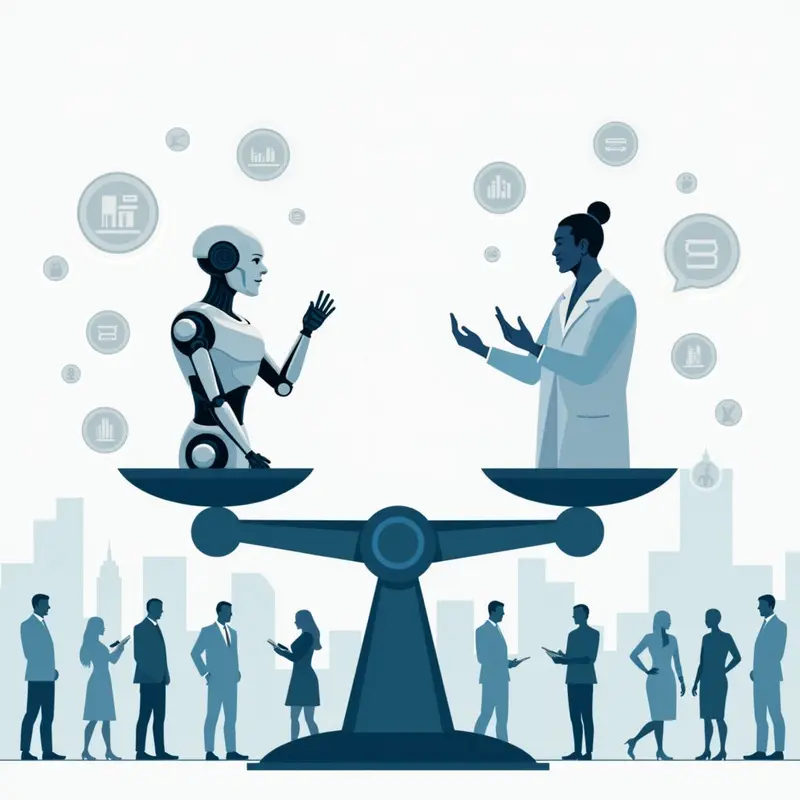
Corporate boards now prioritize robust AI ethics frameworks to mitigate risks like algorithmic bias and data privacy violations, as highlighted in Diligent’s 2025 governance report. Heightened regulatory scrutiny faces potential fines for non-compliance with emerging AI governance standards across jurisdictions. This proactive approach is critical for maintaining public trust and avoiding reputational damage amid rapid technological adoption. Companies are establishing cross-functional ethics committees to systematically evaluate AI systems before deployment, ensuring alignment with legal requirements and societal expectations.
Ethical missteps carry severe consequences.
TotalEnergies’ 2024 controversy exemplifies how misaligned actions trigger regulatory crackdowns. The company promoted sustainability through social media campaigns while advancing environmentally harmful projects like the Africa Crude Oil pipeline, as analyzed by The Sustainable Agency. This greenwashing case prompted stricter global regulations targeting deceptive sustainability claims, with enforcement actions increasing by 40% in Europe and North America. Regulatory bodies now require third-party verification for all environmental marketing claims. Such discrepancies parallel risks in workplace AI tools; superficial ethics commitments could undermine burnout prevention efforts just as greenwashing damages environmental credibility.
The U.S. Department of Homeland Security’s Spring 2025 immigration policies introduced significant changes with immediate enforcement implications. Civil rights documentation reveals flawed asylum determinations that disproportionately impact vulnerable groups due to algorithmic bias. These policies raise ethical concerns about procedural fairness and have sparked bipartisan debate on balancing national security with human rights protections. Unmonitored AI systems in border processing risk exacerbating inequalities. Burnout prediction tools must avoid similar pitfalls to prevent deepening employee disparities.
UNESCO’s 2024 ODISEIA observatory report confirms unregulated AI worsened social inequalities in 35 countries, documenting over 200 cases affecting healthcare and education access. With 78% of nations adopting standardized ethical reviews by mid-2025, proactive oversight has become imperative globally. Member states are implementing standardized ethical review processes for public-sector AI deployments. Algorithmic bias in workplace tools could misidentify burnout risks among marginalized teams. This represents a significant shift toward proactive ethical oversight rather than reactive damage control.
For professionals implementing AI burnout prevention tools, ethical governance is essential. It prevents reputational damage and ensures regulatory compliance across jurisdictions. Most critically, it builds the public trust necessary for sustainable adoption. Ignoring ethical implications of AI risks repeating documented failures across sectors. This proactive approach is the cornerstone of responsible AI deployment in the modern workplace.
Final thoughts
From smart early detection models that flag stress patterns, to wearables delivering real‑time alerts, the pieces fit into a proactive safety net. The economic analysis shows measurable ROI and retention gains when firms embed AI burnout prevention for the workplace, while the regulatory overview highlights compliance pathways across the EU, U.S., and Asia. Finally, the ethical discussion reminds leaders to balance surveillance with trust, ensuring AI tools augment—not replace—human care.
Together, these insights prove that AI burnout prevention for the workplace isn’t a fleeting trend but a strategic pillar of resilient organizations. As technology evolves, asking how we can responsibly harness intelligent support will shape the future of work and employee wellbeing.
Ready to prioritize your well-being with expert-backed wellness strategies? Contact OnInitiative.com ([email protected]) today and let our team help you build a healthier, more balanced lifestyle—inside and out!
About Us
OnInitiative.com is an innovative marketplace that helps e-commerce businesses boost productivity and community growth through advanced automation tools. By connecting companies with tailored wellness and productivity solutions, OnInitiative.com empowers organizations to enhance employee health, reduce burnout, and foster a more engaged digital workforce.
Further reading


Leave a comment