
















No products in the cart.

Shop this story
Preventing employee burnout: A holistic guide for the digital age
by Elizabeth H
The silent erosion of team morale during critical projects often signals deeper burnout risks professionals overlook until it is too late. Sarah, a project lead, discovered her team’s hidden stress through confidential pulse surveys, transforming how leaders approach preventing employee burnout. These real-time insights reveal quiet burnout masked by professional facades, serving as crucial early-warning systems. Anonymous wellness check-ins create psychological safety, empowering employees to voice concerns before escalation.
For professionals navigating digital workspaces, sustainable performance hinges on proactive mental health strategies. This guide explores evidence-backed solutions starting with confidential pulse surveys to detect subtle stress indicators. It then examines enforced digital detox periods, AI-driven workload balancing, automated peer recognition systems, culturally adaptive mental health check-ins, and non-negotiable weekend email blackouts. Each strategy forms part of a holistic framework where technology and human-centric policies converge to protect wellbeing.
Decoding real-time burnout risks with confidential pulse surveys
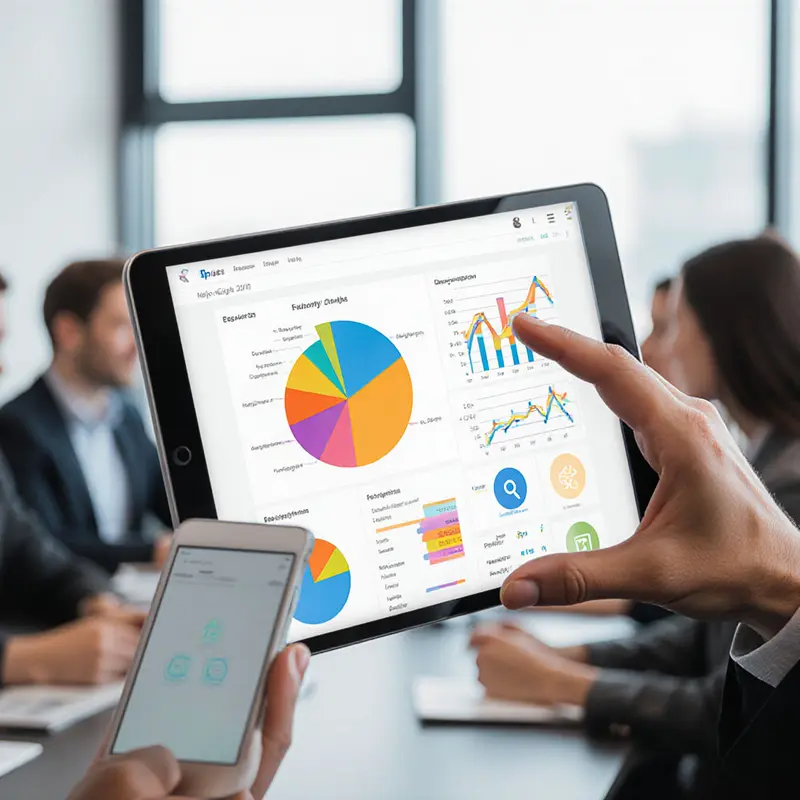
Sarah noticed her team’s usual spark fading during a critical project phase. As a project lead, she quietly introduced a confidential pulse survey to gauge morale. Within hours, anonymous responses revealed rising stress levels hidden behind professional facades. This real-time insight transformed how leaders approach preventing employee burnout.
Anonymous wellness check-ins create psychological safety, giving employees space to voice workload concerns or emotional fatigue without hesitation. Advantage Club research shows these brief surveys serve as effective early-warning systems, identifying stress before escalation. Spring Health points to how they uncover subtle ‘quiet burnout’ indicators masked by professional facades. Thirst.io adds that monthly pulse checks detect even minor morale dips before turnover intentions surface.
Real-time data empowers swift, informed action. Indeed highlights how AI platforms analyze open-ended responses to identify overwhelm trends, providing actionable insights. Thirst.io emphasizes that tracking results over time pinpoints departmental stress hotspots. Leaders then deploy targeted resources like Micro-Adventures for work-life balance or customized wellness rewards, reframing paid time off as essential recovery.
This approach is not surveillance. It is strategic care.
Confidentiality remains non-negotiable. Toothfairy App stresses that HIPAA-compliant privacy protocols build essential trust, encouraging honest participation. When managers pair survey insights with authentic check-ins, they normalize mental health support through diverse resources like digital apps and counseling. Such proactive steps prevent burnout from worsening.
Teams now design intentional focus periods for genuine recharge, building on these foundational insights.
Secure true recovery: Enforcing focus hours and digital detox

Late-night emails blur work-life boundaries, pushing professionals like project manager Alex toward burnout. This constant digital tether demands deliberate solutions. Preventing employee burnout requires evidence-backed boundaries through mandatory focus hours and digital detox periods.
These are not optional perks but essential strategies. The National Academy of Medicine mandates protected disconnection time for clinicians, recognizing that reduced digital accessibility ensures true recovery. Wearable tech gently enforces these boundaries, reminding us when to step back.
Translating evidence into action requires systemic change. HR leaders must embed meeting-free blocks and email blackout windows into workplace culture. Managers play a pivotal role; they must model disconnection and respect boundaries. Programs must also be inclusive, addressing diverse employee needs across roles and schedules.
True recovery matters.
This approach integrates seamlessly with broader wellness efforts. Digital detox periods reduce anxiety while dedicated mental-health days foster deep restoration. Leadership commitment and policy changes institutionalize well-being as a core value.
Structured disconnection functions like a digital sunset. Natural light fades gradually, allowing minds to reset. When employees recharge without guilt, sustainable productivity follows.
AI-driven schedule customization emerges as the next critical evolution in this recovery framework.
Dynamically align schedules to AI capacity, not arbitrary deadlines
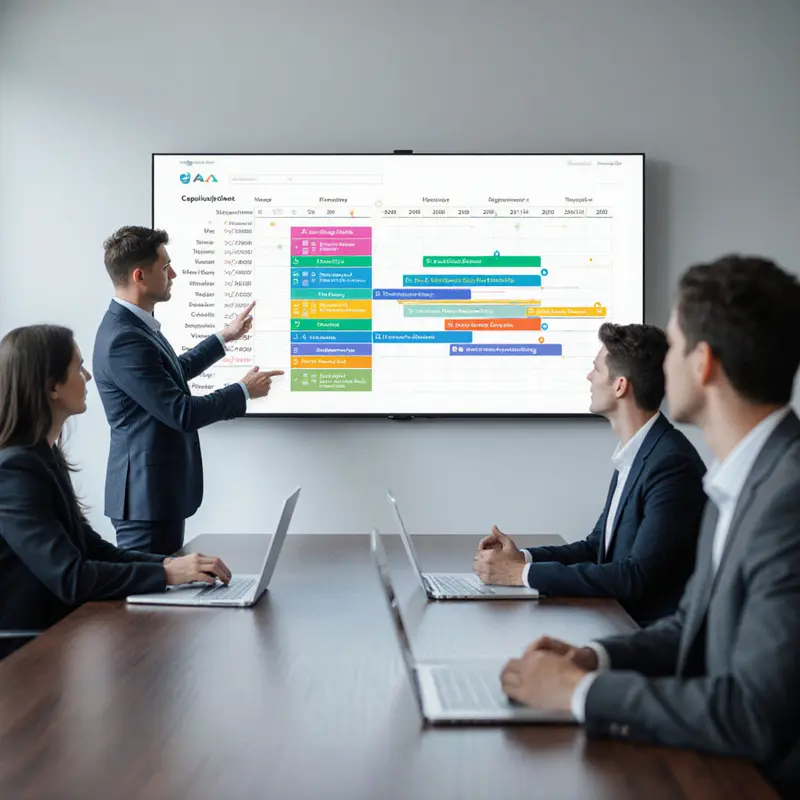
AI-powered workload balancing transforms how professionals like marketing managers operate. Autonomous agents handle routine tasks like calendar coordination around the clock, absorbing busywork surges so overtime panic never sets in.
Taylor leaves work on time as her AI coworker handles weekly scheduling. Real-time analytics adjust human schedules based on actual AI capacity, not arbitrary deadlines. When Taylor sets digital detox boundaries, the AI redistributes tasks fairly, protecting recovery without sacrificing output. Employees train their AI tools using structured note-taking, ensuring human control over critical decisions.
Workflows redesigned for hyper-efficiency free people for strategy and creativity. Context engineering frameworks distill AI outputs, preventing cognitive overload. Sub-agent architectures handle specialized chores. Success requires transparency; ethical guidelines and human oversight guarantee fairness in every adjustment.
This balance becomes a shield for mental wellbeing. By incorporating employee preferences and monitoring burnout indicators proactively, AI leverages technology for mental wellbeing to safeguard recovery without sacrificing output. Leaders must pair these tools with recognition cultures and realistic performance goals aligned to actual resources.
When technology handles predictability, humans reclaim space for mindful breaks and focus hours.
That space is where true innovation, and sustainable careers, thrive.
Engineer connection through automated peer recognition

Connection operates as the invisible architecture of resilient teams. Automated recognition systems transform routine interactions into community glue through precisely timed appreciation.
Picture Maya, a remote developer who felt invisible after months of silent video calls. Her breakthrough arrived when a peer nominated her for a ‘collaboration spark’ award via Slack. This strategic approach prevents employee burnout through engineered connection.
Recognition systems need crystal-clear goals from day one. Reduce burnout, boost morale, and increase engagement before selecting platforms. Conduct cultural audits to identify risks and gaps. Next, build systems that blend public shout-outs with private digital badges. Pair peer-nominated awards with milestone celebrations. Automated triggers for project completions or positive feedback ensure timely appreciation flows into workflows.
Leadership participation proves non-negotiable. When managers publicly celebrate peer recognitions and integrate shout-outs into meetings, psychological safety deepens. Track nomination frequency, burnout metrics, and wellbeing impact through regular reports. Remote and hybrid teams especially thrive with automated reminders nudging peers to send kudos via email or apps.
Foster emotional connection through flexibility. Surprise appreciation moments via Slack, personalized thank-you notes, and recognition calendars transform routine interactions into community glue. Combining data-driven awards with peer-nominated culture awards cultivates belonging.
Pilot programs starting with weekly peer shout-outs prove appreciation becomes habitual. The path to zero-stigma mental health conversations widens naturally with practices like weekly peer shout-outs.
Real connection isn’t optional. It’s operational.
Build zero-stigma check-ins: Co-create culturally adaptive protocols

Early intervention forms the strategic backbone of burnout prevention. Structured mental health check-ins turn psychological safety from an ideal into daily practice.
Jordan, a project manager, spotted her teammate’s quiet withdrawal. Rather than ignore it, she initiated a confidential mental health check-in using Mental Health First Aid training. This goes beyond compassion. It’s strategic prevention of employee burnout through early intervention.
MHFA offers step-by-step modules for recognizing distress and starting supportive conversations. Backed by the American Psychological Association, these structured check-ins prioritize psychological safety and confidentiality. They shift mental health from taboo topic to shared responsibility across employers, employees, and health services.
True effectiveness demands cultural adaptation. Focus groups help co-create protocols that address unique stressors immigrant employees face. Managers receive cultural competence training while check-ins honor linguistic needs. The Social Distance Scale then measures stigma reduction, proving these initiatives work.
Leadership commitment transforms this into action. Visible endorsement embeds zero-stigma principles into policies. Integrating brief check-ins into team meetings replaces fear with peer support networks.
Consistent protocols catch burnout risks early.
Protecting recovery time becomes the natural next priority, requiring organizations to embrace mindfulness for well-being.
Rethinking digital boundaries: Why weekend email blackouts are non-negotiable

Weekend email boundaries represent a fundamental shift in workplace psychology. Organizations must implement strict prohibitions against weekend email communication, leveraging automated tools that delay non-urgent messages until Monday morning.
For Casey, a project manager, Sunday evenings meant confronting an inbox that reignited Monday’s anxiety. The urgent task awaiting her sparked that all-too-familiar dread. This constant connectivity shows why preventing employee burnout demands strict boundaries. These weekend email blackout policies aren’t optional perks; they’re ethical imperatives grounded in comprehensive psychological risk assessments.
Technology provides essential infrastructure for this cultural shift. Advanced scheduling tools automatically block off-hour email deliveries, while proactive workload management systems prevent last-minute crises. Yet tools alone fail without consistent leadership modeling. When managers visibly ignore after-hours pings, they signal that disconnection is safe. This shift requires dedicated mental health days and specialized training to recognize early burnout signs.
Integrating boundary policies with holistic wellbeing initiatives creates a cohesive support system. Step-by-step communication protocols define acceptable work hours, and mindfulness training reinforces the value of digital detox. Physical and virtual environments must actively support full disconnection through notification controls. The Employee Value Proposition must explicitly promise these protections, transforming psychological safety from rhetoric into daily reality.
True prevention happens when disconnection becomes non-negotiable.
Organizations embracing this approach witness renewed focus and resilience. That quiet weekend inbox isn’t laziness; it’s the foundation of sustainable success.
Final thoughts
Effective burnout prevention integrates confidential pulse surveys that uncover hidden stress with mandatory digital detox periods ensuring true recovery. AI tools dynamically balance workloads while automated peer recognition fosters psychological safety through consistent appreciation. Culturally adapted mental health check-ins normalize early intervention, and weekend email blackouts establish essential boundaries. Together, these approaches create a resilient ecosystem where professionals recharge without guilt and innovate sustainably.
Preventing employee burnout is not merely a benefit but an operational necessity for modern organizations. Leaders who implement these holistic strategies will cultivate teams that thrive amid complexity. The path forward requires embedding wellbeing into core values through policy changes and consistent modeling. When disconnection becomes non-negotiable, sustainable success follows as the natural outcome of prioritizing human capacity alongside technological efficiency.
Ready to prioritize your well-being with expert-backed wellness strategies? Contact OnInitiative.com ([email protected]) today and let our team help you build a healthier, more balanced lifestyle—inside and out!
About us
OnInitiative.com is an innovative marketplace that helps e-commerce businesses boost productivity and community growth through advanced automation tools. By connecting companies with tailored wellness and productivity solutions, OnInitiative.com empowers organizations to enhance employee health, reduce burnout, and foster a more engaged digital workforce.
Further reading


Leave a comment