








No products in the cart.

Shop this story
Home decor’s identity crisis: Maximalism vs. minimalism decoded
by Anabel Figueroa
Architectural Digest diagnoses home decor’s identity crisis as minimalism’s uniformity leaves homeowners feeling disconnected. A striking 28% year on year surge in maximalist requests reveals a cultural shift toward spaces that authentically reflect personal narratives. This vibrant counterpoint transforms rooms into immersive experiences through curated chaos and bold storytelling. The maximalism vs minimalism in home decor debate now centers on whether your space truly embodies you.
Designers navigate this pivotal moment where color drenching and bold wallpaper searches jump 149% and 35% respectively. The journey through warm minimalism’s evolution, strategic curation of maximalist accents, and sensory-driven hybrid spaces redefines what homes must achieve. Today’s challenge balances calm functionality with authentic self-expression across every room. This article explores how intentional design choices resolve the identity crisis while honoring both space and spirit.
Decoding Maximalism’s surge: How designers translate 28% YoY demand into authentic spaces
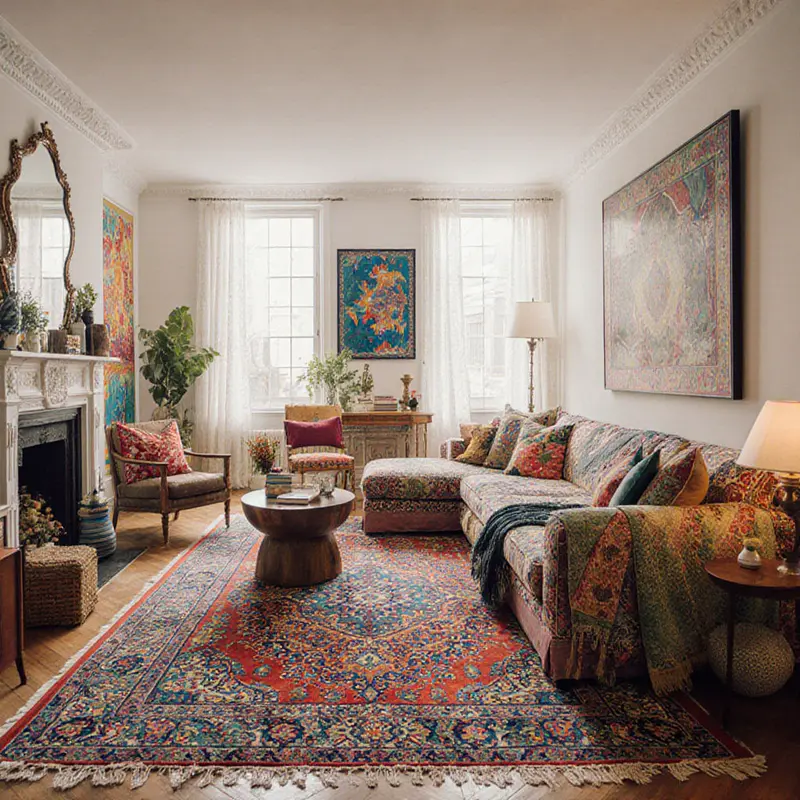
Architectural Digest captures it perfectly: home decor faces an identity crisis. Minimalism’s uniformity left many feeling disconnected from their spaces. Now, maximalism ascends as a vibrant counterpoint. This isn’t mere decoration; it’s bold personal storytelling. Designers see clients hungry to celebrate individuality through curated chaos.
Color drenching surged 149% year on year. Painting walls, ceilings, and trim in a single bold hue transforms rooms into immersive experiences. Houzz reports 35% year on year jumps in searches for bold wallpaper, patterned textiles, and statement furniture. DHgate’s analysis confirms maximalism thrives on vibrant colors, eclectic patterns, and layered textures. These choices are far from random; they signal a cultural shift where homeowners increasingly seek spaces that feel authentically yours.
Consider Sarah, a client in Brooklyn. She wove travel souvenirs, heirloom textiles, and artisan ceramics into her living room. The result was a space humming with warmth and narrative. Mentions of “artisan craftsmanship” rose 21% in listings, while “vintage accents” climbed 17%. Meanwhile, “whimsy” spiked 15%. Homeowners prioritize layered textures and vibrant colors in their living room design to tell their stories. Soft, multi-layered ambient lighting creates inviting atmospheres where these elements shine.
The IIDA 2025 report shows a 28% year on year increase in client requests for maximalist elements. This isn’t rebellion for its own sake. Minimalism’s stark simplicity often felt sterile. Maximalism answers the craving for connection. It allows personal storytelling through mixed materials and curated collections.
This isn’t chaos; it’s curation.
Consumer spending on artisan and vintage decor proves the trend’s staying power. Maximalism vs minimalism in home decor now hinges on one question: does your space reflect you? As designers, we’re no longer just arranging objects. We’re crafting visual biographies. Minimalism’s evolution offers surprising warmth for those seeking calm within complexity.
From sterility to sanctuary: Rethinking minimalism’s warm evolution
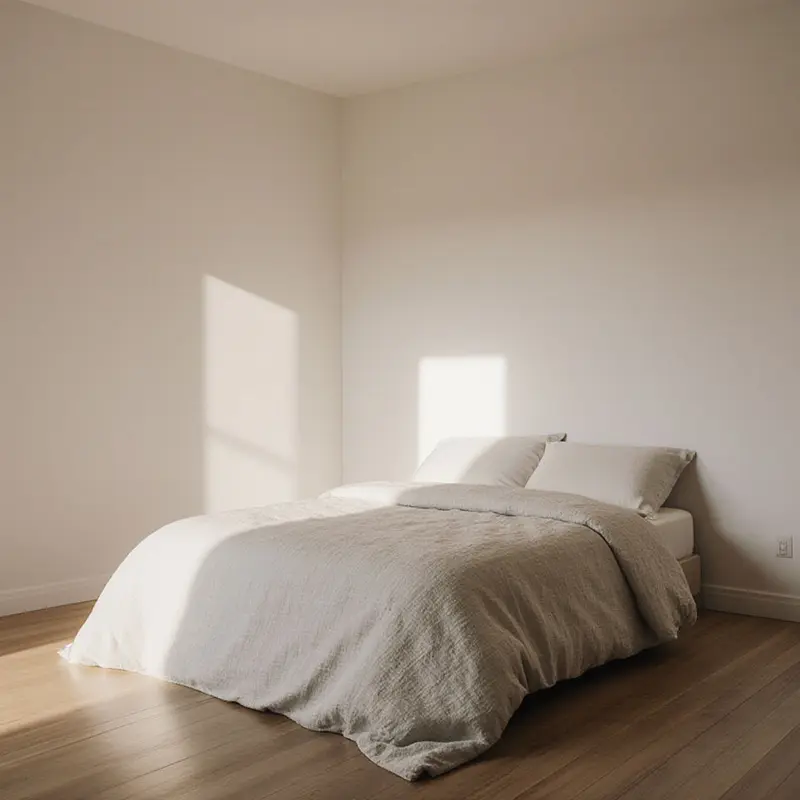
Minimalism in home decor is evolving beyond stark simplicity. Warm minimalism now defines 2025’s aesthetic shift, blending clean lines with intimate warmth. Designers weave muted patterns, tactile materials, and earthy tones into uncluttered spaces. This movement replaces cold sterility with environments that feel genuinely lived-in.
Picture a handwoven jute rug layered over smooth oak floors. That subtle textural contrast captures warm minimalism’s essence. Natural materials like stone, linen, and reclaimed wood add depth without disrupting serenity. Soft curves gently replace harsh angles, while a single reupholstered antique chair or Art Deco detail whispers quiet personality. The neutral palette radiates cozy sophistication rather than clinical detachment.
This evolution answers our collective craving for sanctuary. Homes must balance calm functionality with authentic self-expression. Warm minimalism delivers this equilibrium by retaining minimalism’s clarity while embracing maximalism’s soul. Curated vintage pieces and soft textures create spaces that breathe with intentionality yet pulse with individuality.
The pandemic cemented homes as emotional refuges. Warm minimalism responds by merging sustainability with deep comfort. It is not merely a trend but a sustainable philosophy where every object earns its place within a pandemic home sanctuary. Designers now craft serene environments that whisper solace rather than shout austerity.
This nuanced approach redefines the debate between maximalism and minimalism. Harmony exists between restraint and richness. It honors both space and spirit.
Mastering strategic curation: Maximalist accents transform Minimalist foundations
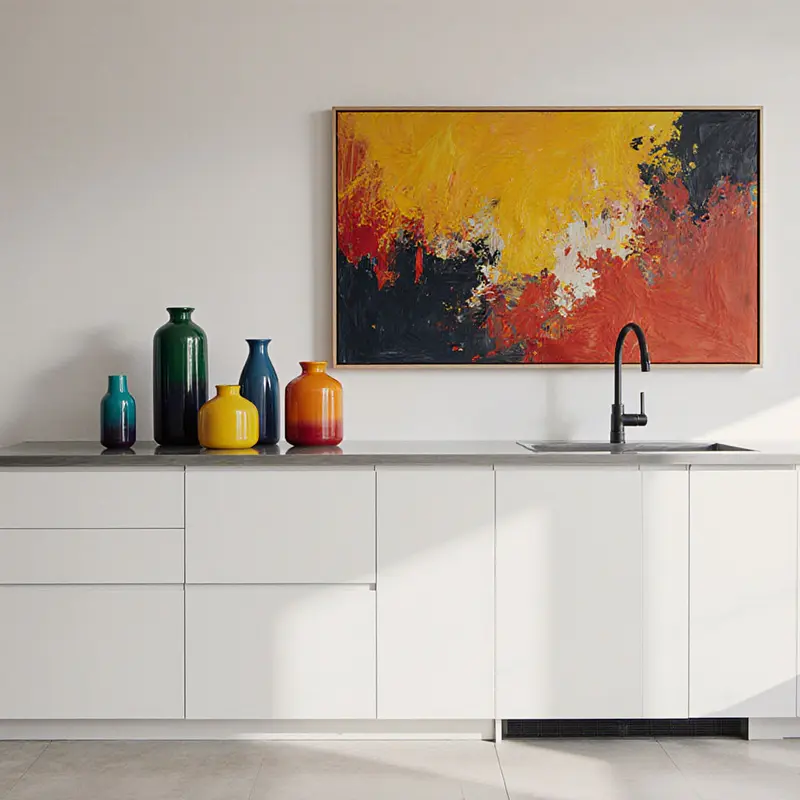
Designers are discovering that maximalism vs minimalism in home decor presents not opposing forces but complementary design languages. Strategic integration transforms sterile minimalism into soul-infused spaces through intentional maximalist accents. Imagine a client’s sigh of relief as plush rugs and silk curtains soften clean-lined architecture. This is Heritage Maximalism in action, as highlighted at London’s Decorex 2025. Layered vintage finds against minimalist foundations create dynamic warmth without chaos.
Quality matters profoundly. A single jewel-toned Art Deco crystalware piece or floral-painted porcelain dish becomes a statement, elevating Mid-century Minimalism’s earthy tones. Good Housekeeping wisely notes that curated vignettes, such as tropical wallpaper swaths, add vibrancy while avoiding clutter. Professional curation ensures every tassel or pompom trim serves authenticity, not fleeting Instagram trends.
Sustainability deepens this synergy. Repurposing heirloom textiles or Nick Jonas and Priyanka Chopra’s maximalist Christmas tree concept proves personality needn’t cost the planet; their layered keepsakes transform simple structures into bold, lived-in moments. Warm Minimalism’s muted patterns further bridge the gap, softening austerity with rich textures.
This duality resolves the identity crisis. Net-a-Porter identifies how Warm Minimalism’s curved silhouettes gain depth from strategic maximalism. Contrast vintage sideboards with modern sofas, following the latest smart furniture design trends. Let color groupings guide emotional flow. The takeaway? Maximalist accents aren’t additions. They’re purposeful storytellers.
Understanding this strategic curation sets the stage for designing emotionally balanced hybrid spaces.
Orchestrating sensory resonance: Designing emotionally coherent hybrid spaces
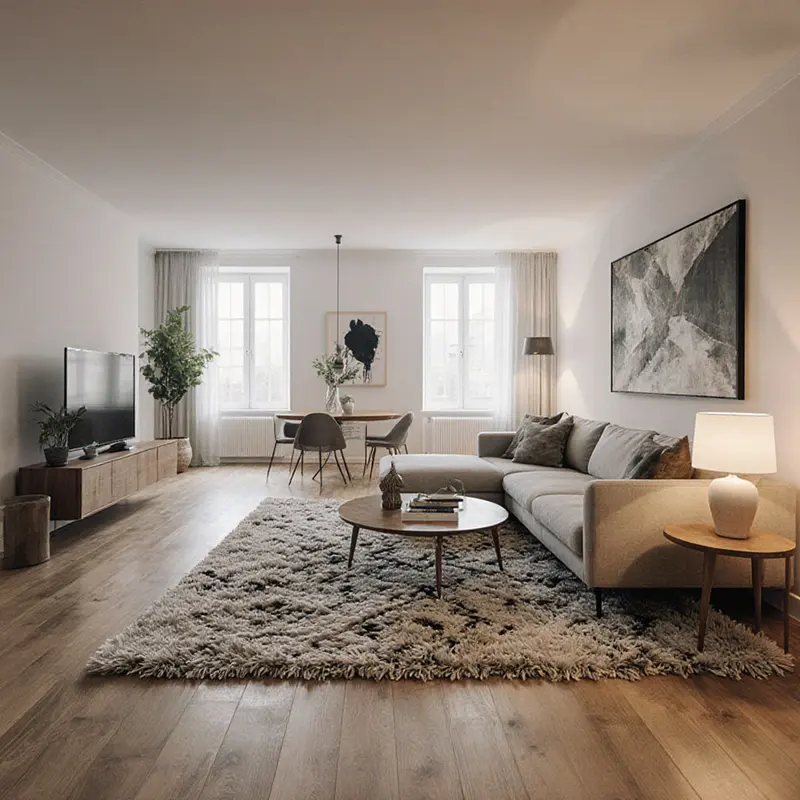
Where maximalism and minimalism once seemed at odds, emotional synergy creates unexpected harmony in today’s home decor. Designers now craft hybrid spaces where sensory richness meets serene calm, guided by holistic principles. Picture a client entering their transformed living area at dawn. Sunlight filters through biophilic water features. Tunable white lighting shifts from cool energizing tones to warm restful hues. This seamless transition actively supports circadian rhythms and emotional balance.
Wellness-driven lighting functions as an intelligent system responding to occupancy and emotional states. AI-powered scenes dynamically adjust to enhance both warmth and well-being, moving beyond mere aesthetics to integrate mood and health. Such human-centric design demonstrates how technological sophistication harmonizes with emotional calm. Yet true synergy demands more than lighting alone.
Emotional coherence requires coordinated sensory stimuli across sight, sound, touch, and smell. Congruent elements like tactile materials under warm lighting generate deep resonance. Mismatched architectural choices weaken this effect. Japanese minimalism offers crucial insights. Its intentional empty space creates psychological security and mental breathing room while achieving emotional richness.
Spatial harmony depends on integrating architectural elements, cultural identity, and design theory. Decor must reinforce the architectural narrative to avoid dissonance. This holistic approach resolves tensions by uniting maximalist sensory abundance with minimalist tranquility. The result is spaces that feel both alive and restorative.
Hybrid environments embody wellness-intelligence-design convergence. They balance warmth, personality, and calm through thoughtful material palettes and blurred indoor-outdoor boundaries. As designers master this equilibrium, they move beyond aesthetic debates toward emotionally supportive habitats.
Navigating room-by-room balance: Minimalism for serenity, Maximalism for connection
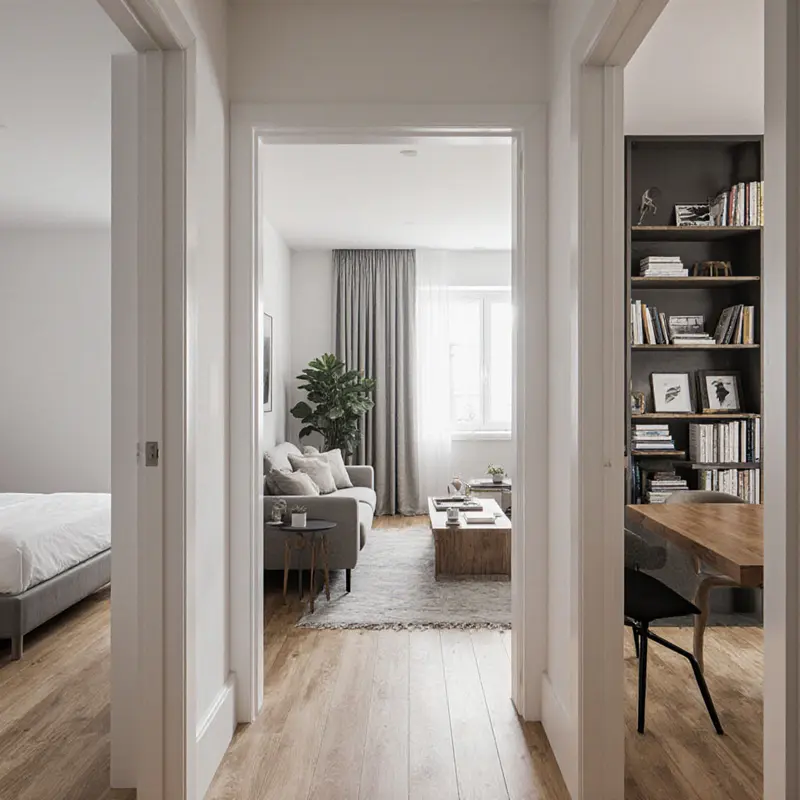
Your home should feel warm and lived-in, not staged for Instagram. That’s the heartbeat of today’s design shift. Ultra-minimalist spaces now read as stark and impersonal. Extreme emptiness feels outdated.
Maximalism thrives in curated moments, not full-room overhauls. Think vibrant color pops or bold wallpaper in a powder room. Avoid full-room jungle themes that quickly feel dated. Purpose remains essential. Every maximalist addition must tell a story or serve a function. This avoids chaotic, overwhelming effects.
Minimalism grounds us with clean lines and neutral palettes. It’s ideal for relaxation zones like bedrooms. Maximalism energizes social hubs through layered collections and bold patterns. Consider stained glass: minimalist panels bring subtle elegance to serene spaces. Maximalist pieces make statements in communal areas. This room-by-room strategy ensures calm where you recharge, enhanced by bedroom design tips, and vibrancy where you connect.
Blending is the art of balance. Start with a neutral base. Layer intentional maximalist accents like a gallery wall or textured rug. Economic pressures make this approach budget-smart. Edit possessions for minimalist zones. Curate meaningful collections for maximalist moments. A designer recently transformed a sterile apartment with just three vintage travel posters above a streamlined sofa. The space felt personal yet uncluttered.
This isn’t about rules.
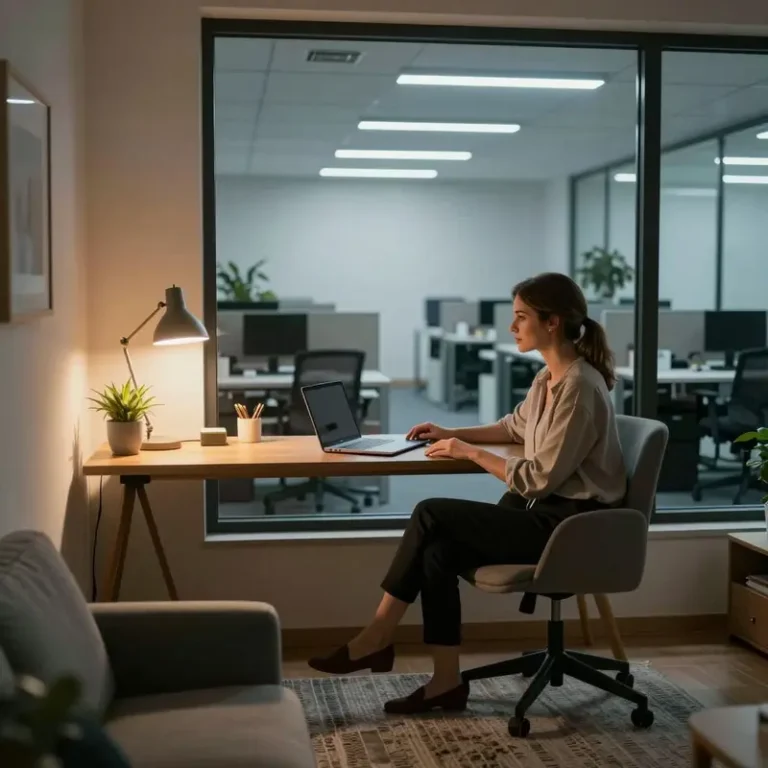
Your goal? Spaces that feel uniquely yours. Minimalist elements offer visual rest. Maximalist touches spark joy. Curated maximalism creates livable energy without overwhelm. Forget fleeting trends. Focus on what resonates: calm clarity for your home office, lively personality in your dining area. The maximalism vs minimalism in home decor debate resolves when every choice serves your story. Let your home breathe, reflect, and welcome you home.
Final thoughts
Designers have moved beyond framing maximalism and minimalism as opposing forces. Strategic curation transforms sterile foundations into soul-infused spaces through intentional maximalist accents and wellness-driven lighting systems. Room-by-room applications now prioritize serene minimalism for relaxation zones and vibrant maximalism for social hubs creating emotionally coherent environments. This synergy proves that authentic self-expression and calm functionality can coexist within a single home.
The maximalism vs minimalism in home decor conversation ultimately celebrates spaces that feel uniquely personal yet thoughtfully balanced. Every curated vintage piece and muted pattern serves as a purposeful storyteller rather than a fleeting trend. Designers now craft visual biographies where warm minimalism’s serenity meets maximalism’s curated energy. Let your home breathe, reflect, and welcome you home through choices that honor both your story and your sanctuary.
Ready to transform your space with smart, stylish design ideas? Contact OnInitiative.com ([email protected]) today and let our experts help you reimagine home decor with creativity and purpose!
About us
OnInitiative.com is an innovative marketplace that helps e-commerce businesses boost productivity and community growth through advanced automation tools.
Further reading
Leave a comment