
















No products in the cart.

Shop this story
How are tech and sustainability changing lifestyle trends?
by Anabel Figueroa
Imagine a Chicago family reducing energy bills without sacrificing comfort, their smart thermostat adjusting automatically to weather forecasts. This quiet revolution is powered by the explosive growth of green technology, projected to surge from $20.90 billion to $105.26 billion by 2032. The convergence of tech and sustainability in lifestyle trends has moved beyond niche experiments into daily reality, transforming how we manage resources at home and beyond.
This shift matters because it directly impacts both personal finances and planetary health. Homeowners install solar panels and smart water monitors, while shoppers use AI to discover sustainable fashion aligned with their values. The following exploration reveals how IoT devices, AI-driven forecasting, and real-time verification tools are reshaping home economics, fashion consumption, and corporate accountability, proving that technology and environmental stewardship are now inseparable forces in modern living.
Decoding smart home sustainability: How IoT quietly slashes bills
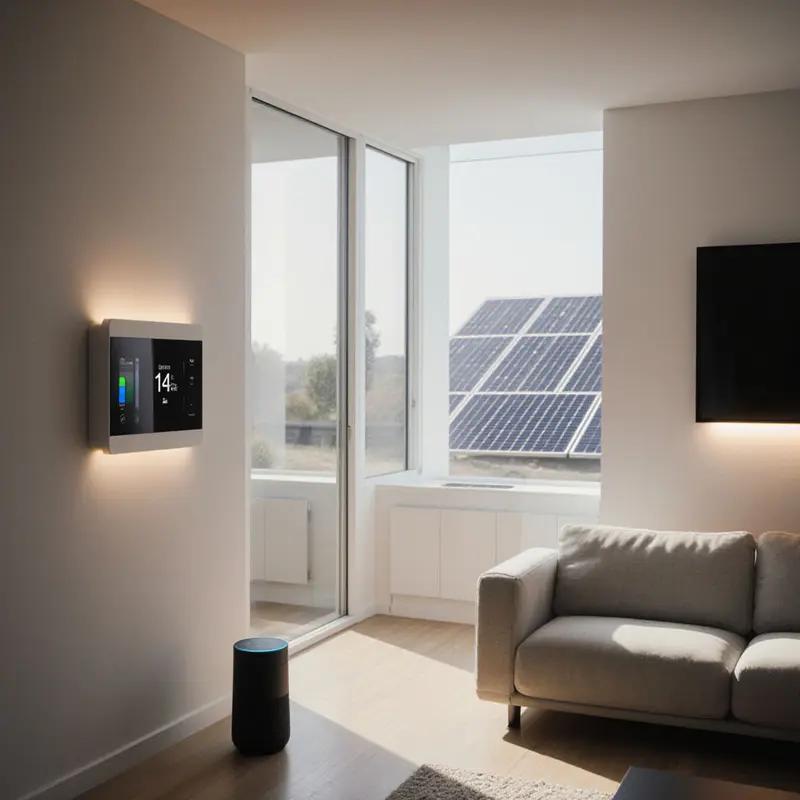
Step into a home that intuitively conserves energy. This isn’t science fiction; it’s today’s reality, quietly powered by the convergence of tech and sustainability in lifestyle trends. The green technology market is exploding, projected to surge from $20.90 billion in 2024 to $105.26 billion by 2032. This 22.4% annual growth reflects a fundamental shift where sustainability drives innovation.
Smart meters and sensors now deliver real-time electricity and water usage data, transforming resource management. Consider a Chicago family whose smart thermostat adjusts cooling based on weather forecasts and occupancy. Their bills drop without sacrificing comfort.
Smart electrical panels integrate solar panels and EV chargers while using AI for predictive load management. These systems enable participation in demand response programs, optimizing energy use without costly upgrades. The green building segment dominates this market, with over 60,000 LEED-certified structures across the U.S. as of early 2024, standing as proof of concept.
Occupants consistently pay premiums for features like energy-efficient lighting and water-saving fixtures, recognizing direct benefits to wallets and the planet. Government incentives and utility rebates further accelerate adoption of devices like smart switches and occupancy sensors.
Bluetooth Low Energy powers many battery-operated IoT devices. Edge computing ensures rapid responses in systems like advanced power quality monitors. With 21.1 billion connected IoT devices expected globally by 2025, climate regulations like the EU’s Renewable Energy Directive actively enable eco-friendly living.
This shift extends beyond homes. Your smart home is the first step in a broader lifestyle revolution where technology quietly nurtures our world.
Rethinking fashion economics: AI’s demand forecasting curbs waste

Scroll past fast fashion feeds to find the durable, gender-fluid statement coat that truly fits. That’s AI-powered consumption transforming fashion. By 2025, 75% of fashion executives will prioritize AI for demand forecasting, slashing overproduction and waste.
Another 45% see AI-driven marketing as key to value. Algorithms analyze real-time purchasing signals, search trends, and inventory data to predict what sells. This hyper-personalization cuts research time while tailoring recommendations. Consumers like Maya effortlessly discover sustainable pieces aligned with their values.
Younger shoppers, especially Gen Z and Gen Alpha, rely on these tools to prioritize cultural relevance and experimentation. Their AI-guided choices reduce unnecessary purchases. This supports minimalist economies where consumption hinges on personalized need, not brand loyalty.
AI also detects cultural shifts like gender fluidity or statement coats. It weaves these into sustainable design narratives. Companies like Stylumia align creativity with circular economy principles. Designers receive climate and consumer behavior data upfront, enabling precise production that extends product lifecycles.
Sustainability starts before the first stitch. AI optimizes resource use and fosters transparency—critical for younger consumers demanding ethical production. Predicting trends earlier and recommending demand-aligned mixes helps solve fashion waste crisis by reducing markdowns while encouraging experimentation. Democratized AI tools make trend forecasting accessible for smaller brands and fashion students.
As AI aligns production with actual demand, it quietly builds circular fashion economies. This quiet revolution is already reshaping industry economics from the ground up.
Reshaping Home Economics: The $105B sustainable tech surge
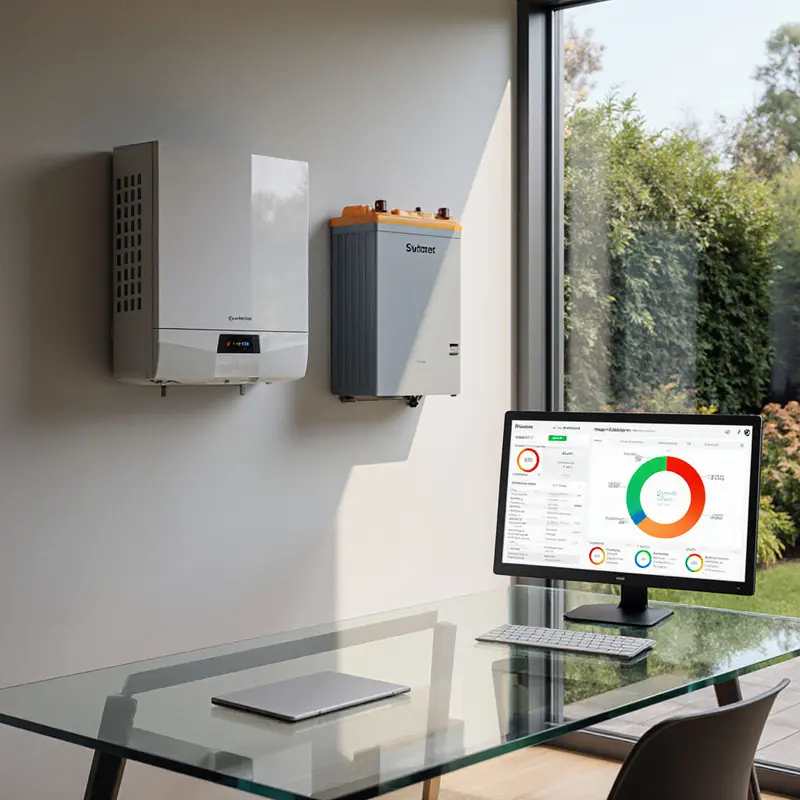
The global green technology market is surging from $20.90 billion in 2024 to a projected $105.26 billion by 2032. This 22.4% annual growth means the market will nearly quintuple within a decade. Tech and sustainability in lifestyle trends have evolved from niche interests into economic powerhouses.
Consider Maria, a homeowner in Austin, inspired by neighbors who cut bills by 30%. She installed solar panels with battery backup and a smart water monitor. Realtor.com’s 2025 report confirms this trend, showing energy efficiency upgrades doubled while EV charging stations surged 91.6%. Homebuyers now prioritize WaterSense fixtures over sprawling pools, embracing biophilic design that brings nature indoors.
Cloud technology drives this shift with 58.64% market share, leveraging energy efficiency and reduced hardware needs. Even on-premise systems grow steadily at 19.70%. IoT sensors track water use in real time while AI optimizes farming and manufacturing. Microsoft’s AI for Earth initiative and the rise of AI integrated home decor demonstrate corporate commitment accelerating across sectors.
Consumers fuel this transformation. A YouGov survey found one in four people will pay 10% more for sustainable apparel, reshaping sectors from beauty to fitness. Eco-apps and smart meters let individuals monitor their carbon footprint daily.
The renewable energy market mirrors this trajectory, ballooning from $1.51 trillion to $4.86 trillion by 2033. Every upgrade tightens the link between personal choices and planetary health.
Sustainability is becoming who we are.
As homes transform, consumer expectations for corporate transparency intensify. The next frontier awaits.
Proof over promises: How real-time verification is driving the sustainability shift

Picture Alex scrolling through her phone, cross-referencing a home listing’s solar panel specs against real-time energy data. She’s not alone; today’s consumers demand proof, not promises, about corporate sustainability. They compare real-time utility data against advertised efficiency claims, refusing to accept greenwashing. This shift isn’t niche; it’s reshaping entire markets as buyers scrutinize supply chain transparency and environmental impact.
Behavioral accountability drives tangible choices. Up to 75% of Millennials and Gen-Z pay more for verified sustainable products, while 1 in 4 consumers accepts a 10% premium for eco-friendly apparel. Their decisions hinge on clear evidence, not vague claims. Brands like Pela Case respond with compostable phone cases and transparent recycling programs that meticulously detail every step from collection to renewal. This meets the growing call for tech and sustainability in lifestyle trends, where accountability spans from production to disposal and directly reshapes sectors from beauty to fitness.
Digital tools now empower this verification revolution. IoT sensors track energy and water use in real time, while blockchain secures supply chain data against tampering. Homebuyers armed with eco-apps scrutinize WaterSense fixtures and EV charging stations as rigorously as square footage, guided by Florida Realtors’ 2025 Trends. Corporate initiatives like Microsoft’s AI for Earth further validate this trend. These features represent both lifestyle choices and financial investments in an era of climate uncertainty.
The stakes are soaring. The global green technology market will explode at a 22.4% annual rate, soaring from $20.90 billion in 2024 to $105.26 billion by 2032. This growth mirrors the renewable energy sector’s trajectory, ballooning from $1.51 trillion to $4.86 trillion by 2033. Cloud platforms, already commanding 58.64% of the market, slash hardware needs and energy waste through virtualization. Even on-premise systems grow steadily at 19.70%, offering hybrid solutions.
Trust is the new currency.
When hardwired ethernet enables precise resource monitoring or solar panels feed battery backups during outages, buyers want verifiable impact metrics. This hunger for accountability sets the stage for deeper tech integration. Blockchain and AI won’t just track data; they’ll redefine how we live, merging sustainability with daily routines.
Decoding the Twin Transition: Where tech and sustainability reshape lifestyles
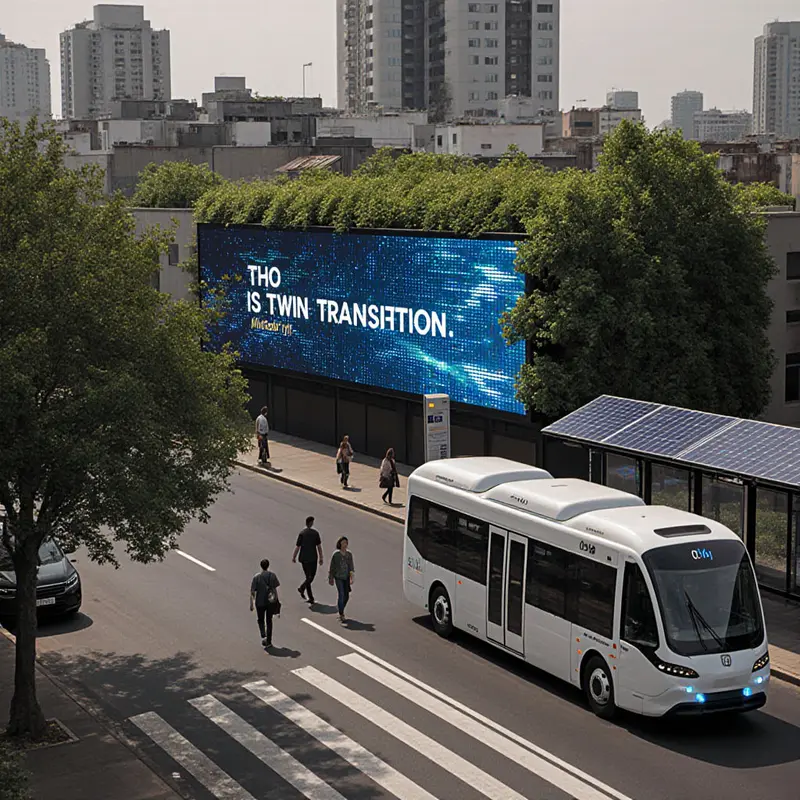
Blockchain technology builds unbroken records that enhance food safety and slash waste across supply chains. This digital backbone transforms how we verify sustainability in everyday choices.
AI operates as the invisible optimizer behind the scenes. It fine-tunes fermentation processes and controls ingredients with precision during manufacturing. The same intelligence accelerates plant-based alternatives while streamlining logistics. Microsoft’s AI for Earth initiative monitors environmental impact in real time, optimizing resource use across ecosystems.
Physical materials are evolving just as rapidly. Corn starch tableware and algae-based packaging now replace single-use plastics. The packaging industry actively shifts toward reusable and biodegradable solutions. These innovations form the backbone of circular economy models, where resources continuously loop back into use while minimizing waste.
This synergy defines the ‘twin transition.’ It represents the essential merging of digital technologies and environmental sustainability. The European Green Deal actively promotes such digital transformation, recognizing that an AI-powered business strategy 2025 is essential for enhancing business accountability and supply chain transparency.
Digital tools deliver proof, not promises, of genuine progress. Companies must embed these technologies into core functions to future-proof operations. Investment here isn’t optional.
This integration becomes the foundation of resilient, next-generation living.
Final thoughts
The integration of digital tools and environmental consciousness is fundamentally altering everyday choices, from smart homes that optimize energy use to AI systems that prevent fashion waste by aligning production with actual demand. Blockchain verification and edge computing now provide tangible proof of sustainability, turning abstract ideals into measurable actions that consumers actively reward with their purchasing power.
Tech and sustainability in lifestyle trends represent more than market statistics; they form the foundation of resilient living in a climate-conscious era. As cloud platforms slash energy waste and biodegradable materials replace single-use plastics, this twin transition proves that innovation and responsibility can coexist. The question is no longer whether technology can support sustainability, but how quickly we will embrace these tools to build a future where every decision nurtures both our wallets and the world we share.
Ready to upgrade your everyday life with smarter choices and inspired living? Contact OnInitiative.com ([email protected]) today and let our experts help you design a lifestyle that aligns with your goals and values!
About us
OnInitiative.com is a digital innovation partner that empowers professionals and organizations to design smarter, more fulfilling lifestyles. Through custom software solutions, productivity tools, and travel-tech integrations, we help people reclaim time, reduce stress, and make the most of every moment—whether at work, home, or on the road.
7 tech trends transforming e-commerce in 2025
Nov 16, 2025
Further reading


Leave a comment