





No products in the cart.

Shop this story
The real difference between eco-friendly and traditional luxury homes
by Anabel Figueroa
A startling 63 percent of high-end buyers now rank energy efficiency as very important when choosing a home, fundamentally reshaping luxury real estate markets nationwide. This statistic reveals a seismic shift where eco-friendly homes vs traditional luxury homes diverge not just in materials but in core purpose and long-term value. Modern buyers increasingly see sustainability as the ultimate expression of quality, rejecting superficial opulence for homes that deliver environmental stewardship alongside elegance. The integration of solar panels, rainwater systems, and biophilic design has become non-negotiable for discerning prosumers.
Resource efficiency and wellness integration now define the true luxury divide, moving far beyond surface-level aesthetics. Today’s sustainable homes transform responsibly sourced materials into personalized sanctuaries that actively nurture health through circadian lighting and advanced air filtration. This evolution addresses both immediate comfort and long-term climate resilience, creating properties that command significant resale premiums. As blockchain verification combats greenwashing, buyers gain confidence that their investment aligns with authentic environmental responsibility.
Decoding sustainable craftsmanship: Why modern luxury prioritizes meaning over opulence
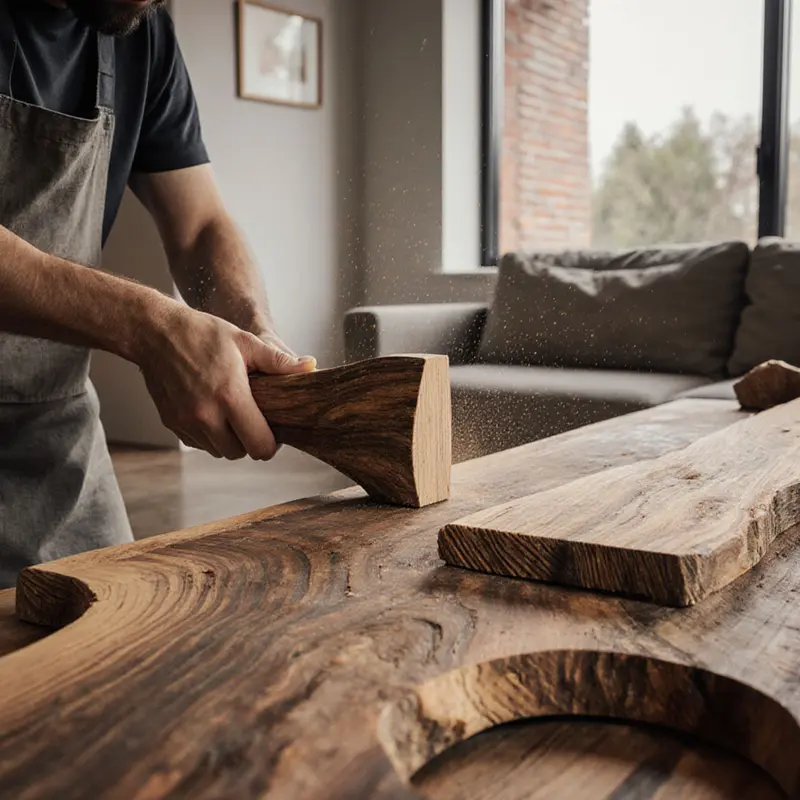
Step into a sun-drenched living room where floor-to-ceiling windows dissolve into a private garden. The scent of FSC-certified cedar underfoot grounds you after a long day. This seamless indoor-outdoor flow embodies biophilic innovation, a cornerstone of modern sustainable luxury. Natural light and organic materials ease daily stress while honoring nature’s rhythm.
Traditional luxury homes showcase time-honored craftsmanship through heritage details and high-end materials. Yet their focus often stops at beauty, overlooking environmental responsibility. In contrast, eco-friendly residences where artisans transform responsibly sourced stone and gracefully aging fabrics into personalized sanctuaries prioritize both aesthetics and stewardship.
Upcycling bridges these worlds.
Modern buyers see sustainability as the ultimate marker of quality. They recognize that eco-friendly homes vs traditional luxury homes diverge in purpose. Solar panels and rainwater systems aren’t add-ons; they’re integrated expressions of care. Sustainable home decor, featuring low-VOC paints and advanced climate controls, prioritizes health within timeless design.
Sustainability redefines luxury as a holistic experience valuing meaning over mere opulence. It radiates authenticity and longevity in an era where craftsmanship elevates homes into sustainable art pieces.
Such considerations inevitably deepen the conversation around resource stewardship.
Resource efficiency: Defining the modern luxury divide
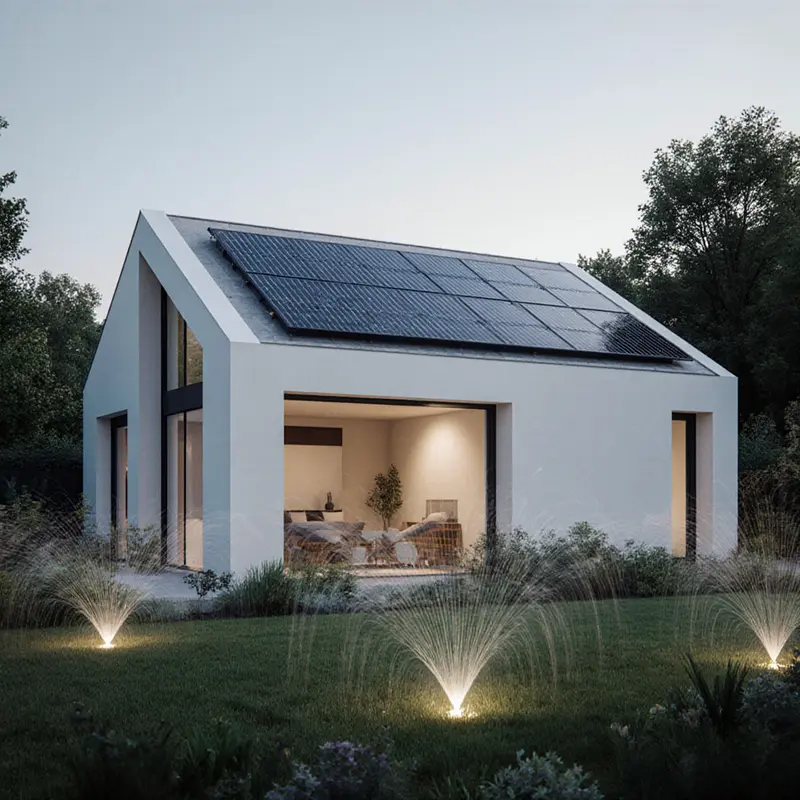
Resource efficiency now defines the essential divide between eco-friendly and traditional luxury homes. While conventional estates showcase expansive spaces and opulent finishes, sustainable luxury minimizes environmental impact through certified features. A Brooklyn brownstone renovation, for instance, might incorporate reclaimed local wood; this reflects strategic buyer priorities beyond mere aesthetics. Such homes achieve at least 20% lower water usage via smart fixtures while integrating passive design elements like strategic window placement and rooftop gardens.
For homeowners, these choices deliver measurable value. Eco-luxury interiors in New York City feature ethically sourced stone and recycled glass, telling stories of environmental responsibility that resonate with discerning buyers. Wellness-focused elements enhance comfort. Indoor greenery and water features also boost resale premiums. Buyers actively seek durable, low-impact materials and renewable energy readiness in NYC eco-luxury interiors, recognizing these as vital for climate resilience.
Traditional luxury homes often overlook this efficiency focus, prioritizing immediate opulence over long-term sustainability. Yet resource efficiency has become non-negotiable in high-end markets. It directly addresses buyer awareness of energy costs, health considerations, and environmental impact.
This shift is real.
Sustainability has transformed from buzzword to baseline expectation. Eco-friendly luxury homes command higher market value by blending timeless elegance with modern green innovation. Their resilience and future-focused design make resource efficiency the ultimate luxury differentiator. These dynamics are already reshaping how premium properties are valued and developed.
The 63% shift: Why sustainable luxury commands resale premiums
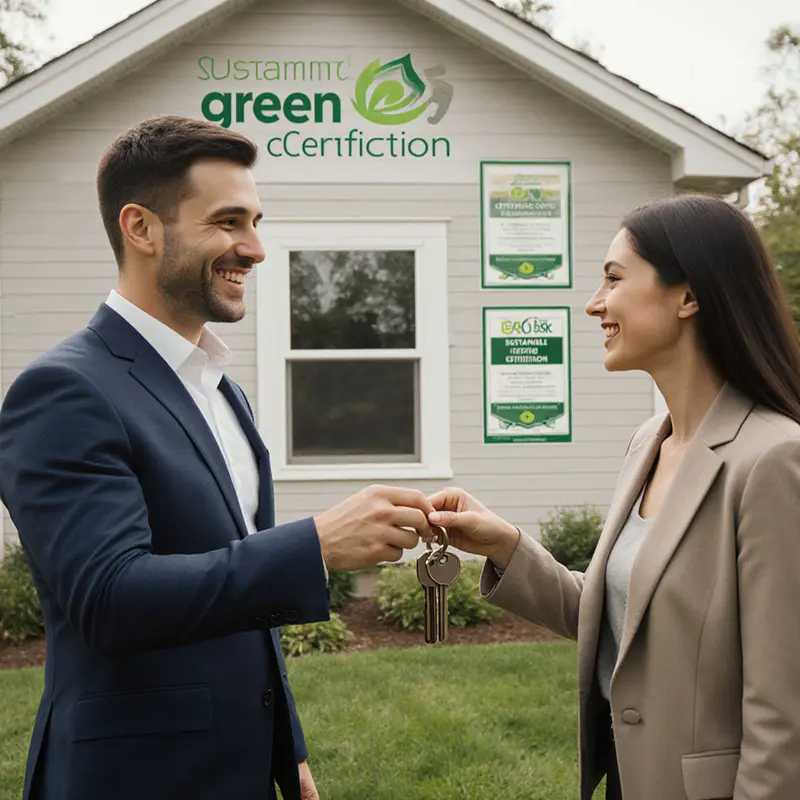
Eco-friendly homes now command significant resale premiums over traditional luxury properties nationwide. This isn’t just a trend; it reflects a fundamental shift where sustainability defines modern luxury. High-end buyers increasingly prioritize energy-efficient windows, solar panels, and spray-foam insulation as essential features. These expectations directly boost long-term value. This shift is fundamentally reshaping buyer priorities across the premium market.
Consider a buyer comparing two estates: one with standard marble finishes, the other featuring net-zero readiness and storm-resistant design. The latter sells faster and at a premium because 63% of buyers rank energy efficiency as very important, while over 80% factor in climate risks. This trend is unmistakable.
Beyond buyer preferences, the insurance industry’s response to climate volatility underscores this transformation. Rising premiums and reduced coverage for vulnerable properties make durable, climate-resilient homes more valuable. Buyers actively pay for this tangible benefit through lower insurance costs and reduced utility bills, recognizing long-term asset protection.
Data confirms this accelerating trend. The median listing price for eco-friendly homes sits at $449,700, with a staggering 100% surge in net-zero ready listings and a 91.6% rise in properties offering electric vehicle charging. These compelling figures highlight a market in transformation.
Traditional luxury markers like imported finishes are losing ground to biophilic design and low-maintenance landscaping. Sustainable homes consistently outperform in demand because they deliver tangible financial security. What was once a niche preference is now the eco-friendly new standard.
How does this translate to tangible well-being benefits?
Luxury redefined: How wellness integration outperforms traditional opulence
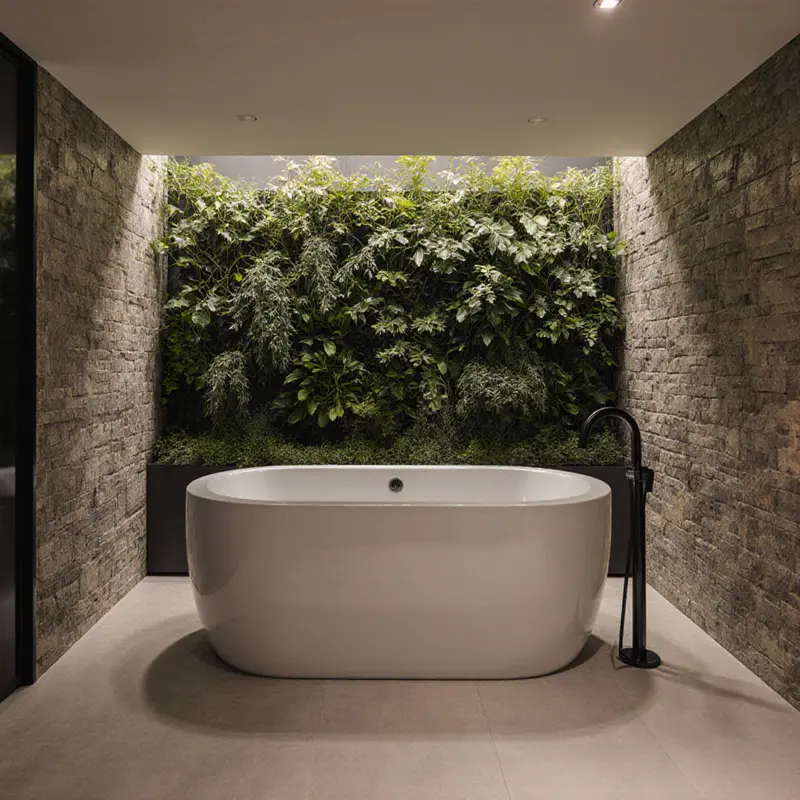
Scientific evidence now confirms that wellness-focused design delivers measurable cognitive and emotional benefits. Cross-ventilation carries the scent of organic gardens while biophilic design actively improves air quality and elevates mood, offering benefits that begin the moment you wake. This isn’t aspirational; it’s scientifically proven to reduce stress and sharpen cognition.
Sustainable luxury commands a 25 to 40 percent price premium as health becomes the ultimate status symbol. Ultra-elite buyers increasingly choose silent luxury features like advanced air filtration and circadian lighting that aligns with natural sleep cycles over gaudy displays. These homes integrate rooftop gardens for natural cooling, multi-stage water filtration that reduces stress and ensures purity, and non-toxic paints creating genuinely healthier living spaces.
Every element serves dual purposes.
Renewable wood not only provides aesthetic warmth but sustains forest ecosystems through responsible sourcing, while locally sourced stone minimizes transportation emissions and ensures design longevity. Smart home automation meticulously manages energy consumption without sacrificing comfort, and private saltwater pools offer therapeutic benefits for physical recovery and mental clarity. Crucially, dedicated spaces for meditation or biometric-controlled sanctuaries transform houses into holistic wellness ecosystems that nurture daily renewal.
Buyers now decisively reject conventional opulence for eco-friendly homes versus traditional properties that actively nurture well-being through environmental quality. This fundamental shift explains why sustainability practices drive resale value; the market increasingly recognizes true luxury—embodied in the wellness real estate premium—is measured in years of vibrant health, not square footage.
Legacy builders are rapidly adopting these principles.
Rethinking opulence: The blockchain-driven shift to authentic luxury homes
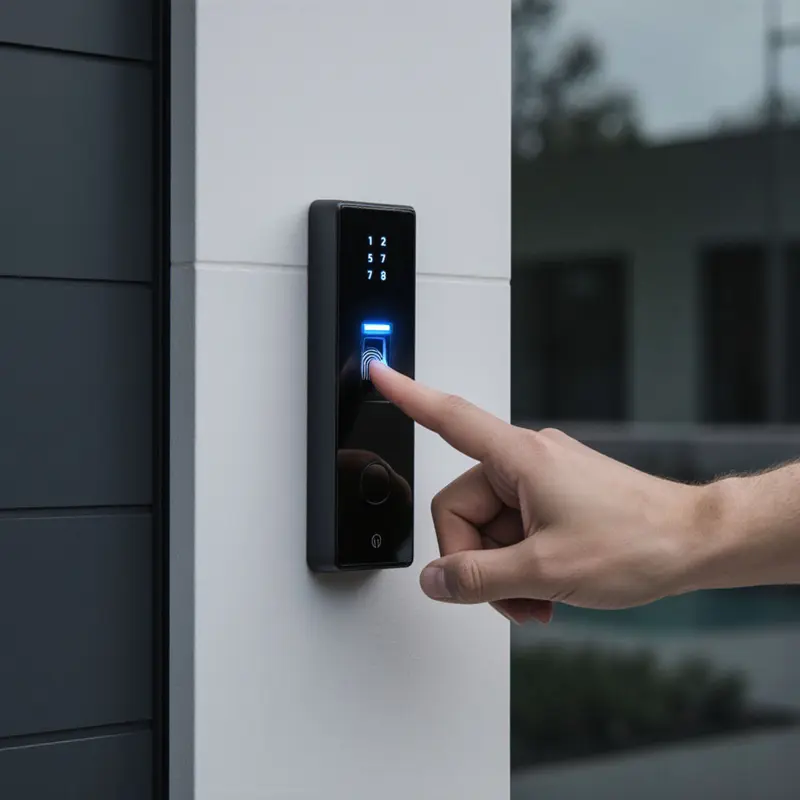
The luxury home industry is undergoing a profound transformation. In 2025, traditional opulence merges with planetary responsibility as brands embed ESG principles into core strategies. This shift isn’t superficial. It’s driven by real consumer demand, stricter regulations, and a fundamental redefinition of value. Consider this: 50% of travelers now willingly pay more for eco-friendly luxury stays, signaling sustainability is no longer optional but a must-have expectation.
Brands like TANE and Clase Azul lead by example, weaving recycled materials and local artisan partnerships into their identity. Meanwhile, blockchain verification from LVMH to Prada ensures claims about carbon-neutral leather or upcycled gemstones withstand scrutiny. This technological rigor combats greenwashing while building trust, a critical currency as Mexican authorities crack down on false sustainability claims.
Traditional luxury homes once prioritized status symbols alone. Today’s discerning buyers, especially Gen Z and Millennial high-net-worth individuals, demand immersive experiences rooted in environmental responsibility. They seek homes where energy efficiency and smart furniture trends directly support wellness beyond mere aesthetics.
Every element serves dual purposes.
The future belongs to brands balancing resilience with authenticity. As eco-friendly homes prove sustainability enhances exclusivity through community value and health-focused design, the line between luxury and legacy blurs. This is the new standard for enduring prestige.
Final thoughts
The luxury home market has undergone a profound transformation where sustainability and wellness have become inseparable from true exclusivity. Homes featuring net-zero readiness and biophilic design consistently outperform traditional properties, delivering measurable cognitive benefits and commanding 25 to 40 percent price premiums. This shift reflects a fundamental redefinition of value where environmental responsibility enhances rather than diminishes prestige, proven by the 100 percent surge in net-zero ready listings and rising insurance costs for non-resilient properties.
Eco-friendly homes vs traditional luxury homes now represent competing visions for the future, with sustainability emerging as the ultimate marker of quality and legacy. As Gen Z and Millennial buyers prioritize immersive experiences rooted in planetary responsibility, the industry must embrace dual-purpose design that serves both human well-being and ecological health. This evolution signals that enduring prestige will belong to homes balancing authenticity with resilience, where every material choice tells a story of environmental stewardship and long-term value creation.
Ready to upgrade your everyday life with smarter choices and inspired living? Contact OnInitiative.com ([email protected]) today and let our experts help you design a lifestyle that aligns with your goals and values!
About us
OnInitiative.com is a digital innovation partner that empowers professionals and organizations to design smarter, more fulfilling lifestyles. Through custom software solutions, productivity tools, and travel-tech integrations, we help people reclaim time, reduce stress, and make the most of every moment—whether at work, home, or on the road.
Deleting showroom bloat: 6 pop-up moves brands keep
Dec 17, 2025
Further reading
Leave a comment