














No products in the cart.

Shop this story
Deleting showroom bloat: 6 pop-up moves brands keep
by Anabel Figueroa
Home decor brands are drowning in empty square footage while customers crave fresh experiences. Permanent showrooms now represent costly liabilities rather than strategic assets, trapping capital in underutilized spaces that fail to engage modern shoppers. The pop-up showroom strategy offers a lifeline, transforming retail from a fixed expense into a dynamic growth engine. Savvy leaders are already rewriting the rules by embracing temporary physical touchpoints that generate buzz and data without long-term commitments.
This shift isn’t about cutting corners but reimagining physical retail’s purpose. We’ll explore six proven tactics that delete showroom bloat while amplifying brand impact. Discover how mobile showrooms replace flagships, RaaS marketplaces slash risk, and ultra-curated galleries boost perceived value. Learn why data-driven validation beats gut instinct and how immersive activations trade square footage for social virality. These aren’t temporary fixes but foundational moves for sustainable growth.
1. Mobile pop-up showrooms: Renovation-free flagship replacement
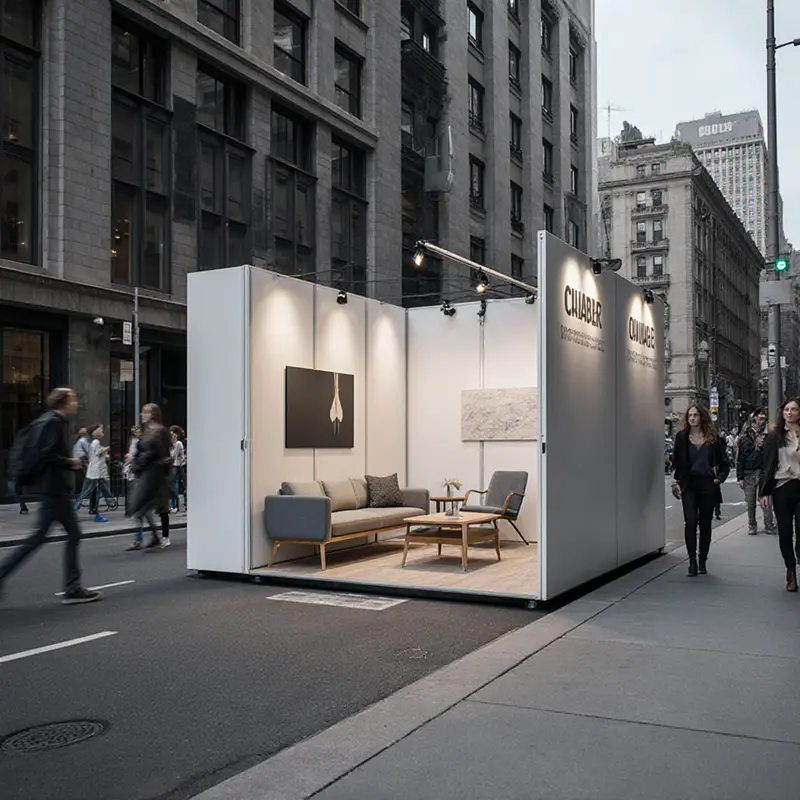
Picture this: your flagship store packs up and tours the country. Savvy home decor brands now replace permanent locations with mobile pop-up showrooms that function as full flagship alternatives. West Elm might occupy a white-boxed mall space near Target one month, then shift to a festival parking lot the next. These strategic shifts require minimal upgrades; keyless entry, portable LED lighting, and pre-rigged WiFi transform vacant spots into move-in ready showrooms within days.
No gut renovations needed. Brands flexibly deploy across retail sites using cold storage trailers for seasonal displays or overflow inventory. Robust point-of-sale systems maintain seamless transactions despite connectivity challenges in fragile environments, whether parked beside a superstore or at a crowded street fair.
Marketing capitalizes on urgency. Guided by temporary aesthetics and wayfinding assistants, shoppers navigate to van-based showrooms using Google Maps pins. Short-term leases generate revenue while testing new markets.
This isn’t temporary. It’s strategic.
This foundation now enables the next evolution: the rise of AI-integrated home decor and retail-as-a-service marketplaces.
2. RaaS marketplace spaces: The risk-slashing pop-up shift
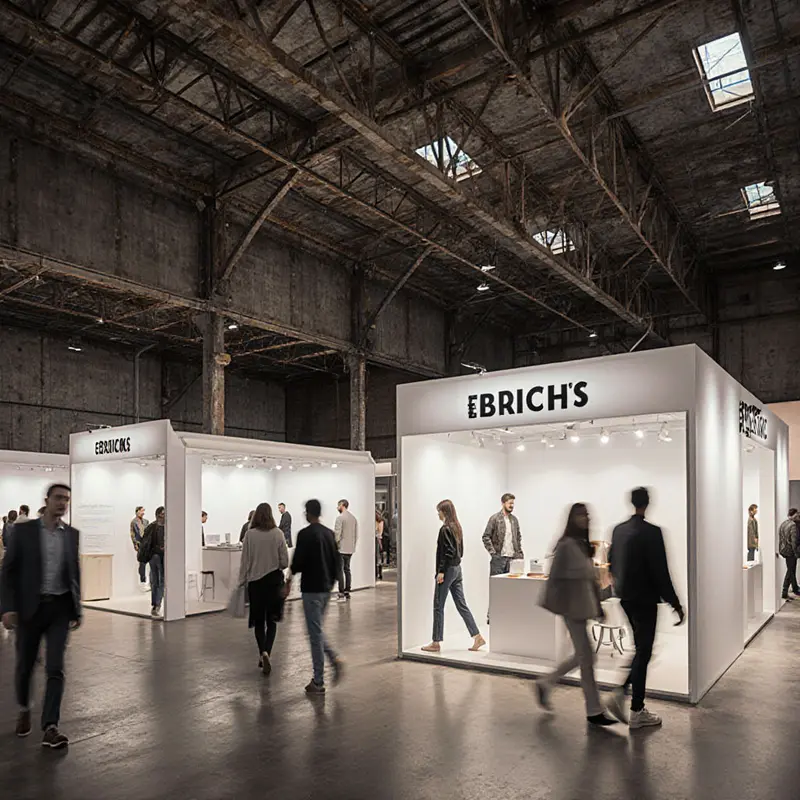
That five-year lease for a flagship store? Now pay only for the retail space you actually use. This is the RaaS (Retail-as-a-Service) revolution transforming home decor brands’ physical retail strategy. Instead of sinking capital into permanent showrooms, access turnkey marketplace spaces with staff, tech, and analytics bundled into flexible fees. E-commerce’s agility finally reaches brick-and-mortar.
Consider a brand testing a coastal market through pop-up showrooms. They pilot curated collections in high-traffic marketplace spaces, adjusting inventory daily using real-time traffic data. Transactions happen online. Discovery happens here, where customers touch fabrics and experience your brand story.
This isn’t theory. Brands like Article and Burrow replace underperforming stores with modular experiments.
Beware new dependencies on operator foot traffic and revenue terms. Location missteps or unfavorable contracts carry risk. Yet the math wins. Short-term tenancy in micro-markets with clear kill-or-scale rules slashes marketplace seller risks. Maintain tiny experiential hubs while deep inventory flows digitally.
RaaS transforms retail from a balance-sheet burden into a service layer. Start small. Instrument every pop-up. Let data—not leases—guide your next move.
Minimalist product immersion requires ultra-curated gallery experiences.
3. Ultra-curated galleries: How singular focus boosts perceived value

Step into a space where a single sculptural sofa commands attention. Gallery lighting isolates it within quiet emptiness, quickening your pulse. This ultra-curied pop-up strategy transforms products into art objects.
Minimalist galleries strip away showroom clutter. By spotlighting just one flagship piece, spatial emphasis intensifies focus. Negative space and controlled sightlines boost perceived value, guiding visitors without overwhelming them.
This is retail theater. During art week pop-ups, multi-sensory environments layer scent and sound around the central installation. Staff deliver short live demos instead of dense signage, weaving memorable brand narratives. Limited appointments and temporal scarcity amplify desire.
Brands test couture-level pricing while capturing behavioral data. Radical SKU reduction prevents assortment cannibalization, priming customers for ecosystem engagement. Such focused environments reflect the quiet confidence of minimalist immersion.
The quiet confidence of minimalist immersion now precedes seamless digital integration, reflecting the latest smart furniture design trends.
4. Hybrid pop-up showrooms: Slashing costs, not customer experience
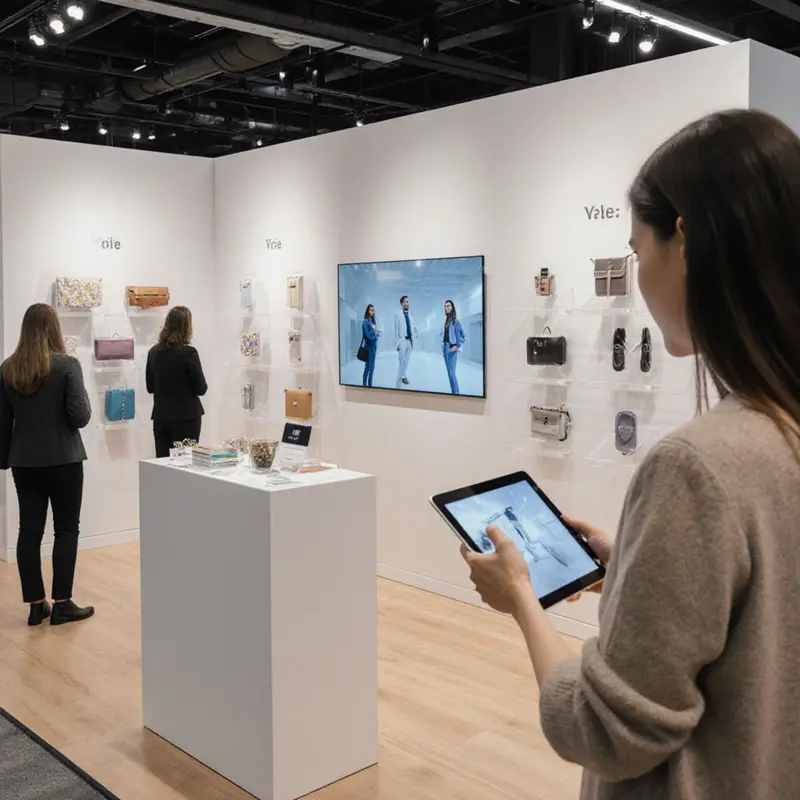
Shoppers touch velvet sofa samples while instantly customizing fabric swatches via QR code on their phones. This pop-up showroom strategy eliminates bulky inventory and clunky POS systems, delivering pure discovery through seamless digital commerce.
Physical spaces transform into sensory storytelling hubs. QR-led ordering handles transactions: scan the code, open a mobile product page, configure selections, pay instantly, then choose ship-to-home or locker pickup. The experience skips app installs and logins entirely. Cashless payments and real-time stock syncing maintain smooth operations.
A unified commerce backend powers this integration. Single customer profiles and shared inventory data connect every touchpoint. Digital signage acts as a visual menu with QR handoffs, while smart vending machines enable unattended fulfillment. These activations become shoppable media moments, like AR try-ons monetized as retail inventory.
Brands achieve high-impact experiences with minimal physical SKUs. Full assortments live online, ordered via practical QR code use cases. Staffing and hardware costs drop significantly, yet rich behavioral data captures every scan. Digital IDs link interactions to retargeting audiences.
This agile model primes brands for the data-driven validation explored next. The future of retail lives where discovery meets seamless digital commerce.
5. Data-driven pop-up validation: Why 3% failure thresholds trump gut instinct

What if you could validate a pop-up showroom strategy before signing a lease? Smart home decor brands treat these spaces as data labs, not flashy displays. They launch minimal real offers in constrained environments for 1 to 8 weeks, targeting specific pain points like small-space storage solutions.
Forget vague hunches. True validation demands revenue-linked KPIs: conversion rates below 3% signal weak demand, while 25% conversions indicate strong potential. Testing velvet sofas in Brooklyn with only 2% buying means immediate termination. But dwell time and sample conversions hitting 25% warrant rapid scaling.
No emotional decisions allowed. Integrate POS, traffic counters, and CRM data into one analytics stack. Isolate impact using lift analysis with geo controls. Predefine kill thresholds before launch.
This disciplined approach eliminates underperforming concepts from your core network. It transforms pop-up insights into permanent ‘kept moves’ through AI-driven marketing strategies for high-potential categories.
Such precision in validation naturally leads to shareable experiences that outperform square footage.
6. Immersive pop-up showrooms: Trading square footage for social virality
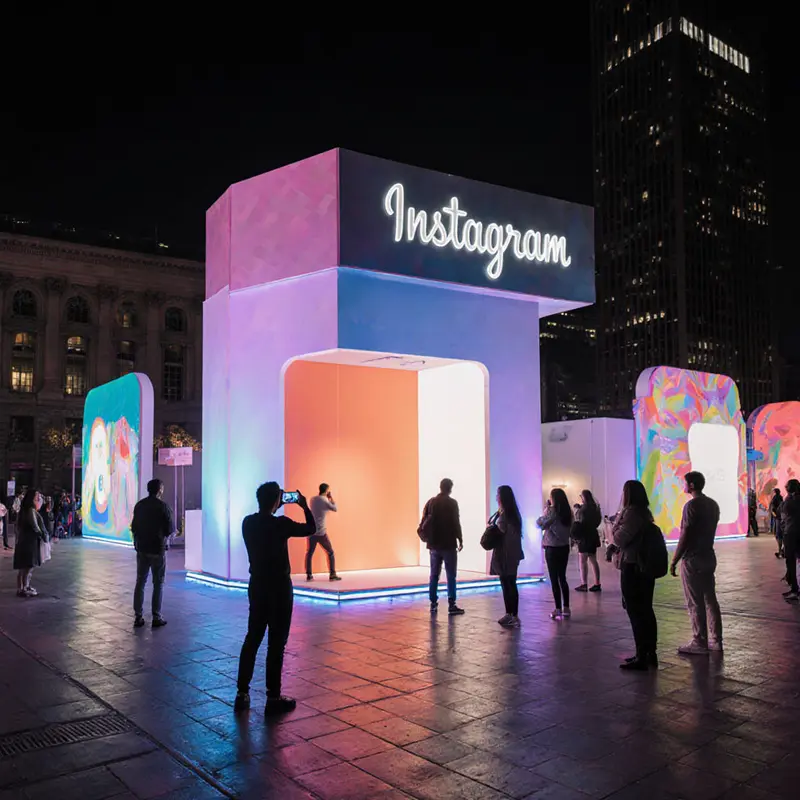
Inside a life-size sandcastle restaurant designed solely for Instagram reels, visitors capture perfect moments. Today’s pop-up showroom strategy has evolved into highly visual, temporary stages designed exclusively for social sharing. Brands deliberately shrink retail space to invest in theatrical sets and iconic backdrops that spark curiosity.
Each installation feels like an event, not a store. Pure spectacle.
A single hero concept defines these spaces: “A restaurant made of sand.” Visitors become both audience and distribution channel, exemplified by the sandcastle restaurant example. They capture brag moments. Limited-edition drops are a frequent highlight. Multi-sensory details delight people while optimizing for cameras and short-form video.
Collaborations with creators accelerate online spread. Niche moments transform into cultural phenomena. Pop-ups humanize emerging tech or dramatize skincare benefits through pure immersion.
Signature sets and interactive rituals evolve into touring activations. This approach deletes showroom bloat entirely.
The buzz lingers long after the last sandcastle crumbles.
Final thoughts
The most successful home decor brands treat physical retail as a series of strategic experiments rather than permanent commitments. They deploy mobile showrooms to test markets, leverage RaaS marketplaces for flexible footprints, and create ultra-curated galleries that transform products into art. Hybrid digital-physical integrations slash costs while immersive social activations generate organic reach, all validated by strict data thresholds that eliminate emotional decision-making. This ecosystem approach turns retail into a responsive growth engine where every pop-up delivers actionable insights.
Your next move should focus on deleting bloat through intentional impermanence. The pop-up showroom strategy proves that less space with more purpose creates stronger customer connections and healthier margins. Start small with one mobile unit or marketplace test, instrument every interaction, and let data guide your expansion. When physical retail becomes a service layer rather than a balance sheet burden, you’re not just surviving the retail revolution—you’re leading it.
Ready to transform your space with smart, stylish design ideas? Contact OnInitiative.com ([email protected]) today and let our experts help you reimagine home decor with creativity and purpose!
About us
OnInitiative.com is an innovative marketplace that helps e-commerce businesses boost productivity and community growth through advanced automation tools.
Further reading


Leave a comment