
















No products in the cart.

Shop this story
7 scenic travel destinations defining the 2026 season
by Anabel Figueroa
The luxury travel landscape is transforming as discerning clients seek more than just opulence; they demand strategic, high-value experiences that align with evolving global priorities. Scenic travel destinations 2026 will define success for luxury travel strategists who master the intersection of exclusivity, sustainability, and meticulously timed access. This pivotal year rewards those who replace generic itineraries with engineered journeys where every element justifies premium pricing and consultative planning fees.
Seven destinations emerge as non-negotiable anchors for 2026 portfolios, each offering distinct leverage points for margin growth and client retention. From Kruger National Park’s tiered wildlife safaris to Machu Picchu’s time-boxed archaeological access, these locations demand sophisticated logistical choreography. The Amalfi Coast delivers layered coastal decompression while Okinawa merges coral-rich serenity with cultural depth. Ucluelet provides storm-watching immersion, the Cotswolds offer low-carbon pastoral calm, and Albuquerque’s balloon fiesta creates signature high-desert moments. Together, they form a strategic blueprint for turning seasonal constraints into perceived exclusivity.
1) Kruger National Park, South Africa: Anchoring high-margin Big Five itineraries
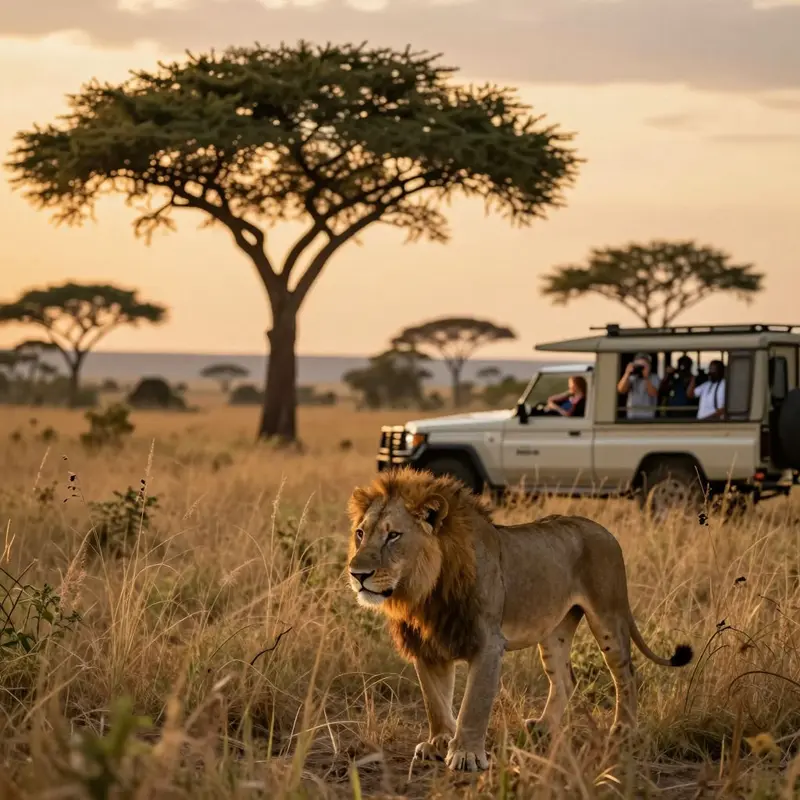
Kruger sits at the intersection of iconic wildlife and highly engineered guest experience. It is exactly where luxury travel strategists should be looking for scenic travel destinations in 2026.
For high-spend clients, the appeal is irresistibly simple. Daily Big Five potential in landscapes that range from open savanna to riverine forest, paired with tightly curated logistics and pricing that can be forecast well in advance. Wildlife density extends far beyond lion, leopard, rhino, elephant, and buffalo. Guests can expect regular viewing of zebra, giraffe, antelope, hippo, and crocodile, which sustains excitement between apex sightings and keeps perceived value high.
Timing is your primary lever.
Winter 2026, from June through August, is considered optimal for Kruger safaris, when cooler, drier conditions make game viewing more predictable and comfortable for upscale guests who value certainty. Strategically, the softer shoulder months of March to May and September to October matter too, because select departures carry discounts in the 10 to 14 percent range. That creates room for margin while still allowing you to message “privileged access” pricing without eroding brand perception.
At the product level, Kruger lends itself to a tiered portfolio that anchors a broader southern Africa strategy. Current patterns suggest three clear building blocks you can combine and recombine for different client profiles.
- Core Kruger stays and short combinations. Safari packages in 2026 start from R65,850 for 7-day trips, which gives you a hard baseline for entry-level luxury that still feels aspirational. A 5-day Panorama Route and Kruger Lodge Safari pairs big game with dramatic scenery for clients who want visual variety without a long time commitment.
- Extended multi-country safaris. A 12-day South Africa Namibia safari featuring daily Big Five game drives in Kruger lets you sell narrative depth; desert and dune contrast with river and bush, which photographs beautifully and plays well in pre-trip marketing. This structure suits guests who want to treat 2026 as a landmark year trip.
- Multi-region South African circuits. The 12-day Cape Town Kruger Madikwe packages let you add private reserves and cultural elements around the Kruger core. Seasonal offers such as Stay 4/Pay 3 in Madikwe can be positioned as an insider upgrade rather than a visible discount.
Taken together, these components allow you to move from single-park offerings to layered journeys that justify a more consultative sales process and higher planning fees for your expertise.
Consider Lina, a senior advisor at a boutique luxury agency that treats 2026 as a rebound year for long-haul bookings. She built a family-focused portfolio around Kruger using 9-day luxury family safaris that start at $14,061 per person, then wrapped them in optional extensions along the Panorama Route and into Madikwe on Stay 4/Pay 3 dates. By anchoring on clear entry pricing and then layering seasonal value, she shortened her sales cycle and gave clients confidence that they were accessing a rare window of smart luxury rather than simply spending more.
The practical takeaway is straightforward. For scenic travel destinations in 2026, Kruger should not sit as a standalone line in a brochure. It should function as your structural anchor in southern Africa, with winter 2026 as the hero season, shoulder-period discounts as your conversion accelerators, and a mix of week-long, 9-day family, and 12-day regional itineraries as your modular toolkit, complementing broader resources such as this Mini Travel Escapes Guide. With this structure in hand, you can turn confidently from savanna panoramas to the Andean archaeology and cloud forest vistas that define your next set of landmark journeys.
2) Machu Picchu, Peru: Orchestrating high-impact, time-limited access
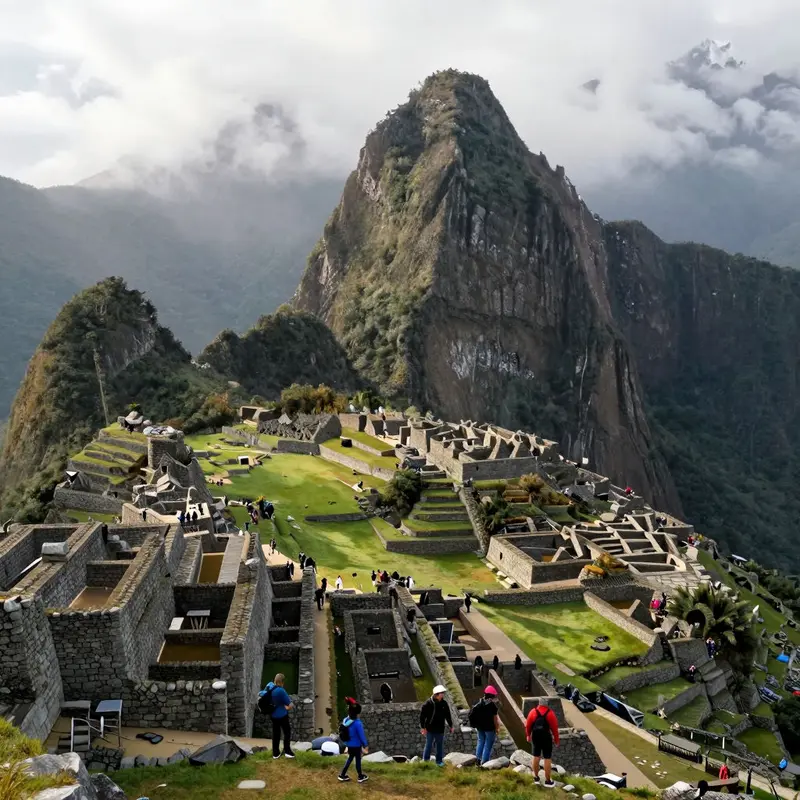
The Peruvian Andes present a unique challenge where logistics, conservation policy, and guest expectations intersect amid real-time dynamics.
For 2026, treat this site less as a single attraction and more as a time-boxed archaeological theatre framed by cloud forest. Peak season runs from June to August during the dry months, which deliver the clearest views and most reliable trail conditions. The trade-off is intensity; daily visitor limits sit at roughly 4,500 to 5,650 people, which compresses demand and pushes prices up. Entry pricing starts at about $62, with an additional $12 for Huayna Picchu, so even standard inclusions have to be budgeted and narrated carefully in your product design, ideally supported by an up-to-date Machu Picchu 2026 planning reference.
This is where advance planning becomes a brand differentiator. For peak months, your clients will need bookings made 3 to 6 months ahead for permits, hotels, and Inca Trail treks. During these periods, entry slots themselves typically require 2 to 3 months of lead time. In shoulder seasons like October, you gain more agility; skies are often blue, crowds thin out, and costs soften, which allows for more flexible pricing and elevated value narratives.
In fact, 2026 invites you to think in three distinct operating modes for this destination:
- Dry season, peak months (June to August). Highest clarity and reliability for cloud forest vistas, with maximum competition for limited daily entries and the longest booking horizons.
- Shoulder periods such as October. Fewer crowds and lower costs, with workable lead times of roughly 4 to 6 weeks; ideal for high-touch, “insider access” positioning.
- Rainy season windows. Offer budget savings and potential upgrades, but require frank messaging about weather risks and possible trail closures.
Seen together, these modes let you calibrate different product tiers without diluting perceived exclusivity.
In January 2026, the site faces a critical evaluation by New7Wonders that will spotlight sustainability and visitor management. At the same time, new rules introduce 4-hour visitor time limits and entry protocols that shorten the on-site window but heighten the value of expert choreography. Your teams must understand that every minute now carries narrative weight. A rushed or aimless circuit will feel more punitive than protective to a premium traveler.
Picture how a strategist like Isabella, a senior product director at a boutique Latin America operator, might structure one flagship departure. She blocks core access 6 months out for peak season, then layers in a night at altitude before the visit for highland acclimatization. By doing so, guests arrive clear-headed and physically ready, which allows her guides to use the 4-hour limit for purposeful storytelling instead of frequent rest stops. Isabella then positions an optional Huayna Picchu ascent as a curated add-on for guests who value exclusivity and panoramic photography over a slower, museum-style circuit.
Highland acclimatization is not just a wellness note; it is a commercial safeguard. Poor acclimatization can turn a high-investment day into a client recovery operation. Build in at least one night at altitude before the visit and brief clients explicitly on hydration and pacing. When they step onto the terraces and see the citadel suspended between peaks and cloud forest, they should feel present, not depleted.
For luxury travel strategists, the real opportunity lies in turning constraints into signals of care. Clear communication around booking windows, capacity limits, and seasonal trade-offs delivers a sense of control that clients rarely associate with such a famed site. By aligning peak, shoulder, and rainy season products with distinct promises of experience, you preserve the feeling of discovery within an environment of tight regulation and high global scrutiny.
With this Andes blueprint in place, your plans move seamlessly towards the exploration of the cliffside coastal drives and Mediterranean vistas that define your next European landmark journeys.
3) Amalfi Coast, Italy: Orchestrating layered coastal ‘exhale’ stays
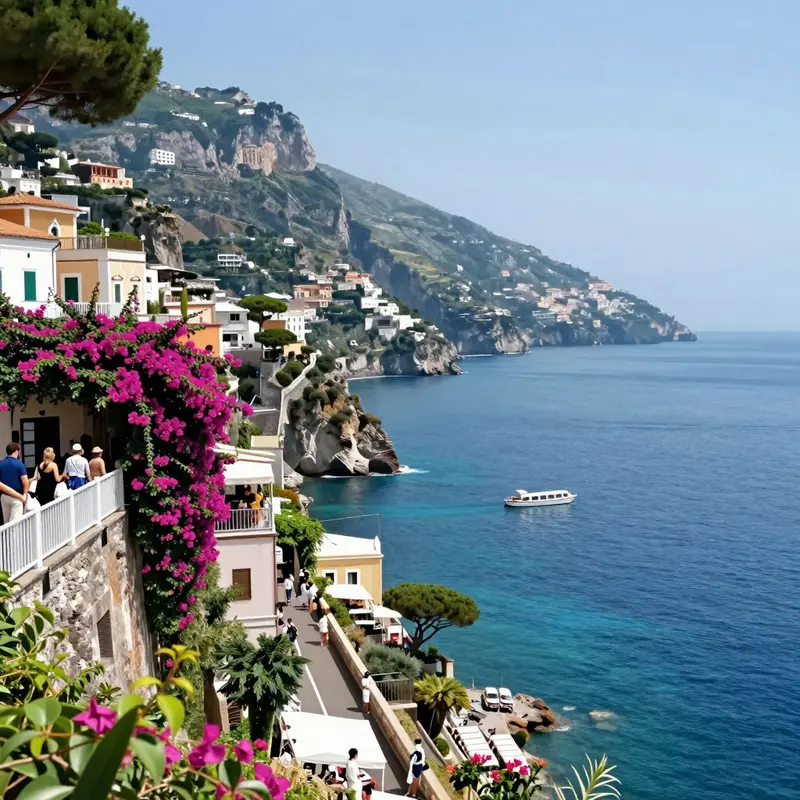
The Amalfi Coast offers one of Europe’s most glamorous ribbons of shoreline, and for 2026 it functions as a visual crescendo within broader Italy programs. The serpentine SS163 coastal road delivers continuous Mediterranean vistas, with pastel towns like Positano and Ravello stacked against the cliffs. For high-end planners, that road is not only a route. It is a stage on which you can choreograph pacing, views, and moments of privacy.
To turn those views into product, think in layers of experience rather than a single “coastal day.” Late spring to early fall is the viable window, with late September to early October offering warm seas and softer crowd pressure that suit affluent travelers who value calm over spectacle. A 3 to 5 day stay creates enough time for contrast among inland hilltop, seaside, and offshore experiences.
One planner, Elena, who curates ultra-high-net-worth programs across Italy, uses Amalfi as the “exhale” after dense cultural days in Rome or Florence. By structuring one day around a slow drive along SS163, another around Ravello’s gardens and the Duomo in Amalfi, and a third focused on water and hiking, she turns a short coastal stay into three distinct emotional notes. Her guests leave with a feeling of spaciousness, not checklist fatigue, which in turn raises repeat-booking confidence and rewards a philosophy of mindful travel planning.
At this scale, logistics become your primary design constraint. The coast’s roads are narrow and often congested, which means you should avoid assuming private car transfers will feel luxurious at all times. Instead, build your movement plan from the local toolkit:
- Ferries link key towns and often outpace road traffic while preserving constant sea views.
- SITA buses can be integrated for flexible exploratory days; a roughly €10 daily ticket buys unlimited rides and can lower perceived friction for semi-independent guests.
- Guided tours or taxis solve for door-to-door comfort on the trickiest segments and remove driving stress.
- Self-drive packages that start at roughly €1074 per person for 7 days, with insurance and GPS included, suit clients who equate control with luxury.
The synthesis for 2026 is clear. Treat road, sea, and structured guidance as interchangeable levers that you dial up or down depending on your client’s appetite for independence.
To keep the product portfolio fresh, design thematic days around the coast’s marquee activities. Integrate hikes on the Path of the Gods for guests who crave active immersion, then counterbalance with boat trips to Capri, including time around the Blue Grotto and Faraglioni Rocks, for cinematic seascapes. Intersperse half days at Amalfi’s Duomo or Ravello’s gardens to anchor the itinerary in culture, not only scenery.
Nearby extensions are your key to turning Amalfi from a pretty detour into a 2026 anchor. Day trips to Capri, Pompeii, Herculaneum, or Naples let you pivot between archaeology, island atmosphere, and serious cuisine without changing home base. For high-spend travelers, this translates into psychological relief. They can sample multiple narratives from one luxurious coastal hotel.
To avoid crowd fatigue, seed your brochures and internal sales scripts with quieter alternatives. Maiori offers broader beaches suitable for guests who want longer, more relaxed seaside time. The Fiordo di Furore area adds a wilder edge with hiking and dramatic rock formations that appeal to image-driven clients who measure value in unique photography as much as comfort.
For luxury travel strategists, Amalfi in 2026 is not just another scenic coastal stop. It is the soft-focus chapter that you can place between the intensity of cities and the remoteness of islands, allowing the journey to carry on to very different waters in the Pacific.
4) Okinawa, Japan: Coral-rich calm fueling restorative escapes
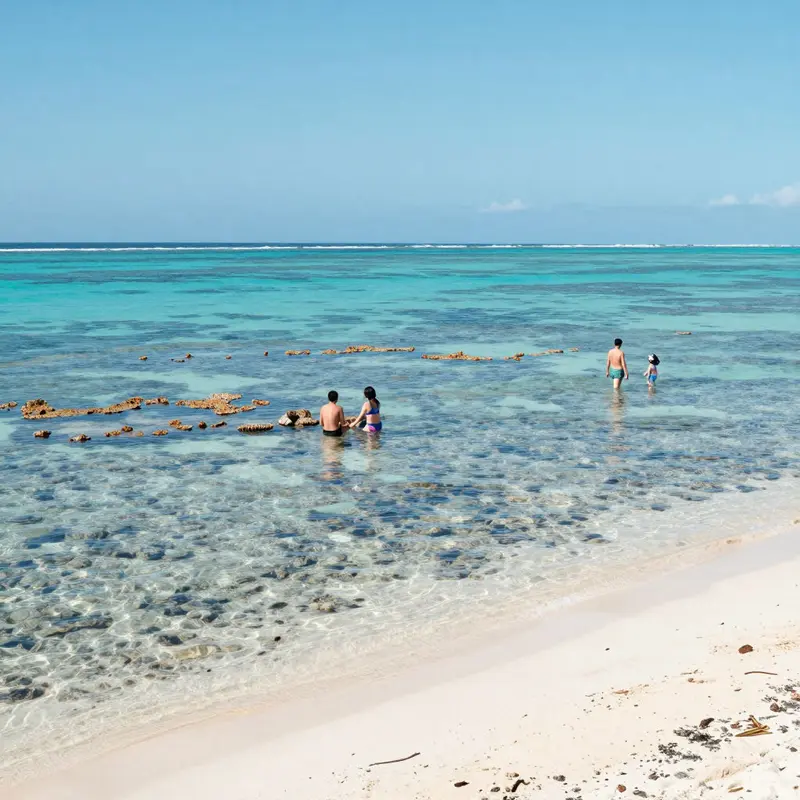
Okinawa emerges as a serene destination, offering pristine beaches, clear waters, and vibrant coral reefs.
For scenic travel destinations in 2026, Okinawa sits in a powerful sweet spot for luxury planners. It combines pristine subtropical beaches, clear waters, and abundant coral reefs with easy access from Tokyo and Osaka, which simplifies multi-stop Japan itineraries. It gives you a peaceful retreat away from Japan’s crowded mainland beaches and allows you to move clients from urban overload into a slower, more restorative rhythm.
What sets Okinawa apart is the fusion of Ryukyuan culture, biodiversity, and wellness potential. The archipelago is rich in traditional music, dance, and food, backed by vibrant underwater ecosystems that have made it a global diving spot. With over 200 coral species, glassy visibility, and a relaxed island atmosphere, it naturally supports both eco-tourism and high-end resort concepts. That mix gives strategists confidence and also creates urgency, because demand is already rising on the back of a 71% increase in search interest and a growing body of insight around the Okinawa 2026 Travel Outlook.
For an architect of 2026 product, several experience pillars emerge that you can reliably build around:
- Marine immersion, from snorkeling and diving to glass-bottom boat tours, the famed Blue Cave, and world-class encounters at Churaumi Aquarium with its whale sharks.
- Soft-adventure nature, such as mangrove kayaking and visits to botanical gardens that showcase roughly 1,300 plant types.
- Culture-forward moments, including traditional music and dance performances, pottery workshops, and curated karate heritage in the outlying islands.
- Heritage exploration at UNESCO-listed castle ruins and ancient sites that add narrative depth between beach days.
- Wellness and cuisine programming that uses sustainable Okinawan food, where Chinese and Japanese influences meet in a light, longevity-focused culinary profile.
Together, these anchors let you design stays that are cinematic on the surface yet quietly restorative underneath.
During the winter off-season in 2026, Okinawa offers comfortable temperatures in the 17 to 27°C range, which reframes “off-peak” as a soft-climate asset. While other Asian beach regions can feel volatile or overcrowded, these conditions allow you to program morning dives, midday wellness, and sunset cultural encounters without oppressive heat. The nearby Kerama Islands are ideal for whale watching in this period, which creates a seasonal hook that rewards planners who move early.
Consider Maya, a senior product director for a global luxury agency who needs a new signature route for repeat Japan guests. By pairing a few days in Kyoto with a flight to Okinawa, she shifts clients from temple circuits into a nature-first retreat that still feels distinctly Japanese through Ryukyuan culture and karate heritage. Because the archipelago supports both eco-tourism and luxury beach resort development, she can tier offerings for different spend levels without diluting the core narrative. The result is less decision fatigue for her team and a product line that consistently photographs well, converts quickly, and earns repeat bookings.
World-class marine attractions, including Churaumi Aquarium’s whale sharks and vibrant coral reefs, position Okinawa as a flagship in any portfolio of scenic travel destinations for 2026. For strategists, the opportunity is to frame it not simply as “Japan with beaches” but as a wellness and nature-focused escape that sits at the intersection of culture, conservation, and high-touch hospitality. Place it as the decompression chapter after dense cultural touring, then guide the journey towards the wild weather and rainforest coasts of the Pacific Rim.
5) Ucluelet, Canada: Storm-watching luxury on the rainforest edge
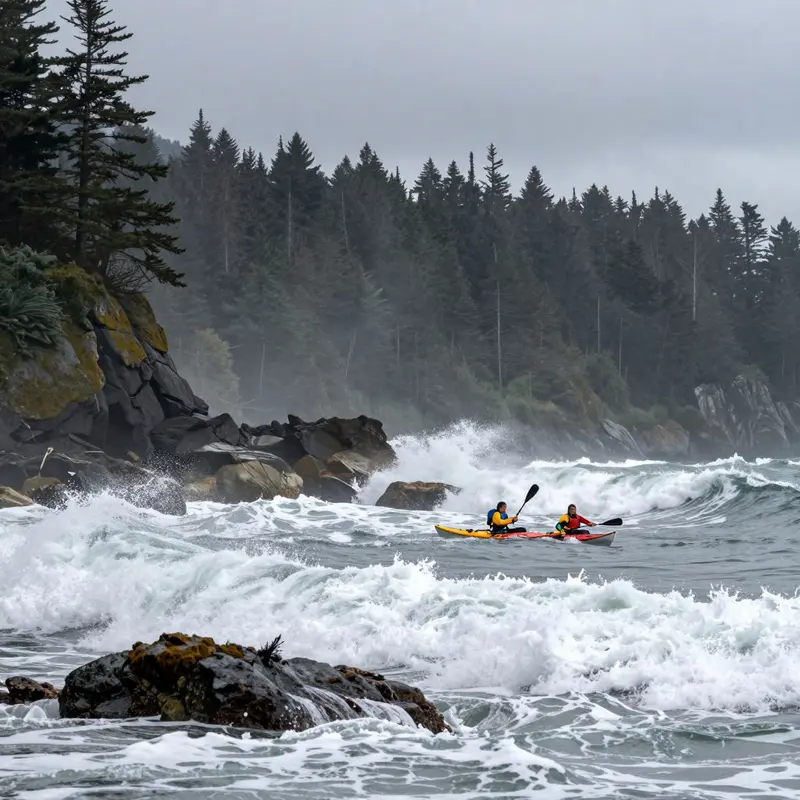
Vancouver Island’s west coast in 2026 highlights nature’s raw beauty, offering a wild yet carefully curated experience.
Ucluelet, on Vancouver Island’s west coast, is emerging in 2026 as one of the scenic travel destinations that rewards careful, strategic curation. This is the Pacific Northwest rainforest coast in its pure form. Dense forest, surf-sculpted beaches, and shifting skies turn “storm watching” into a signature experience rather than a seasonal compromise. For luxury planners, the narrative here is immersion in big nature with tightly controlled edges anchored in an eco-friendly travel mindset.
The spring anchor for an Ucluelet chapter is the Pacific Rim Whale Festival, which specifically highlights the town as a scenic focal point in 2026. The festival celebrates the migration of Pacific Grey Whales and pairs whale watching with outdoor activities along the coast. This lets you layer in guided interpretation, private vessel charters, and coastal walks tailored to different client profiles. Because the whales provide a defined migration window, the festival becomes a natural temporal hook in a 2026 itinerary.
On the ground, this translates into quiet but memorable days for clients.
Maria, a senior portfolio strategist for a family office, arrives at the tail end of the festival after dense meetings in Vancouver. Her planner schedules an early-morning whale watching departure, followed by a slow afternoon of beach-walking and cycling within the Pacific Rim National Park Reserve’s Long Beach Unit. By staging movement from open ocean to sheltered forest trails, her day builds from spectacle to decompression. This is why she will remember this coast as restorative rather than rugged.
The Pacific Rim National Park Reserve, particularly its Long Beach Unit, is the primary stage set for this kind of storytelling. It offers storm watching from shore, long contemplative beach walks, and cycling routes that work for both casual riders and more active guests. For visual-first clients, this is where you secure the archetypal west coast imagery that can justify the trip in a single photograph.
A short, standalone paragraph reflects the real advantage here for strategists.
Accessibility and perceived value in 2026 are strengthened by the Canada Strong Pass. The pass provides free admission to participating national parks and a 25% reduction on camping fees during specified periods in 2026. This directly enhances access to Ucluelet’s park-based attractions. Even for high-spend travelers, the psychological effect of privileged access matters. The pass lets you frame national park time as an “included” benefit within a larger luxury program.
Several operational details shape how you design more adventurous product around Ucluelet:
- The West Coast Trail, accessible from the region, is scheduled to open from May 1 to September 30, 2026, which defines the main window for multi-day backcountry experiences.
- Reservations for the West Coast Trail open on January 19, so serious hikers must be invited to commit early in the sales cycle.
- Backcountry permits for the trail are priced at 166.75 CAD, with additional fees on top, which lets you position the hike as a premium, capacity-controlled experience rather than a casual add-on.
Together, these details support a tiered product architecture. Use whale-focused coastal days and Long Beach storm watching as the accessible, photogenic core. Then reserve the West Coast Trail and deeper backcountry for clients whose appetite for exertion and logistics matches the drama of the landscape. Conclude your pacific journey and let the allure of the pastoral Cotswolds’ countryside beckon.
6) The Cotswolds, UK: Low-carbon country calm without crowds
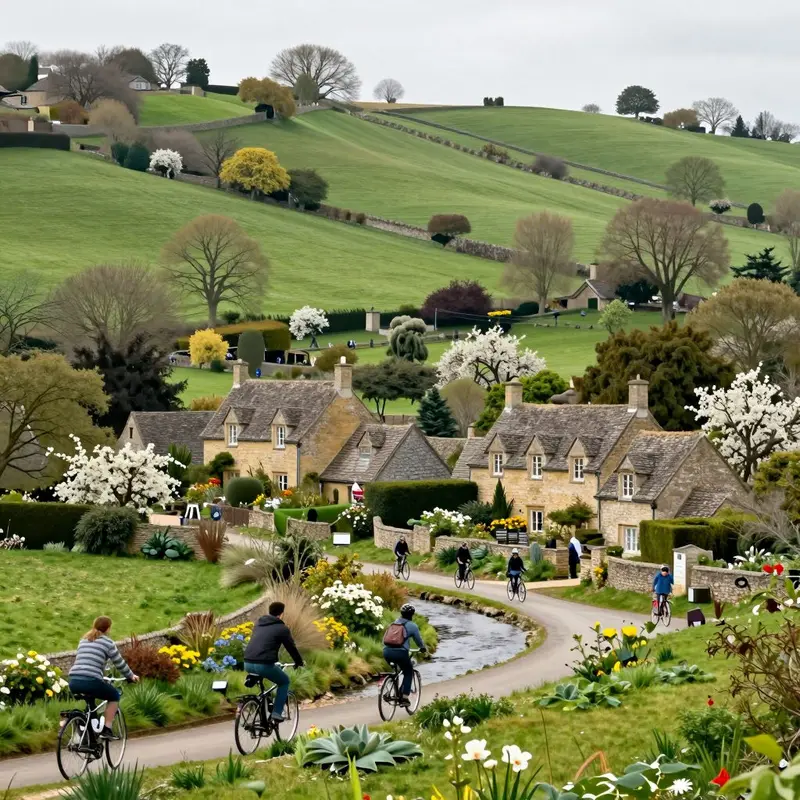
The memory of that wild Pacific weather is useful. It sharpens what the Cotswolds now sell best to your clients: a deliberate downshift into pastoral quiet that still aligns with 2026’s sustainability narrative.
For luxury travel strategists, the Cotswolds are no longer just honeyed stone villages and rolling sheep fields. VisitEngland’s 2026 Hotlist flags the region as a prime destination for new low carbon accommodations, which reframes it as a testbed for countryside product design. The core proposition is clear. Offer clients deep exhale energy with a modern, climate conscious wrapper that’s fully aligned with the VisitEngland 2026 Hotlist.
Several forthcoming openings crystallize how that offer will look in practice:
- CABÜ cabins in the Cotswolds will add hot tubs, saunas, and plunge pools from spring 2026, giving you spa adjacent privacy for couples and small groups.
- Dumbleton Hall is layering in shepherds’ huts and treehouses, which lets you position an established estate as an immersive, yet gentle, form of nature.
- Across the region, accommodations are framing themselves as sustainable country escapes, which dovetails with clients who want “green” comfort rather than rugged sacrifice.
Together, these elements let you package the Cotswolds as a restorative hub with a credible low carbon story, rather than just another pretty English backdrop.
Maria, a senior product lead at a European tour operator, used this pivot during her 2026 planning cycle. By pairing a three night CABÜ stay with a night at Dumbleton Hall’s shepherds’ huts, she built a micro itinerary that felt both indulgent and future proof. It worked because the sustainable framing gave her sales team confident language about “country calm without climate guilt.” That phrasing cut through in client consultations and reduced hesitation around price.
Demand data confirms that this is not a niche play. Searches for Cotswolds flights and accommodations have surged 39%, a signal that the region is firmly on the radar of globally mobile, higher spend travelers. For you, that creates both opportunity and execution risk. The Cotswolds are already positioned as a top unwind spot for 2026, so what you design now will determine whether clients experience serenity or overcrowded lanes.
That tension is most visible in Bourton on the Water, where overtourism is straining the village’s pastoral charm. Between March and October, overcrowding, blocked roads, and rising resident frustration are already part of the seasonal pattern. Treat this as a strategic caution. If you default to the same few villages, your guests will remember traffic jams and camera crowds instead of gentle rivers and stone bridges.
The smarter move is to use Bourton as a reference point in your marketing, then pivot actual stays toward less pressured villages and the new low carbon properties. This lets you keep the romantic Cotswolds imagery, while delivering the quiet that clients think they are buying.
In practice, the region becomes your soft landing chapter after more dramatic itineraries, a place where travelers reconnect with slow mornings, long walks, and the reassuring sense that their comfort does not come at the countryside’s expense.
From here, it is an easy narrative shift to guide clients towards the bright air and wide sky of the Desert Southwest.
7) Albuquerque, USA: Balloon fiesta as high-desert signature
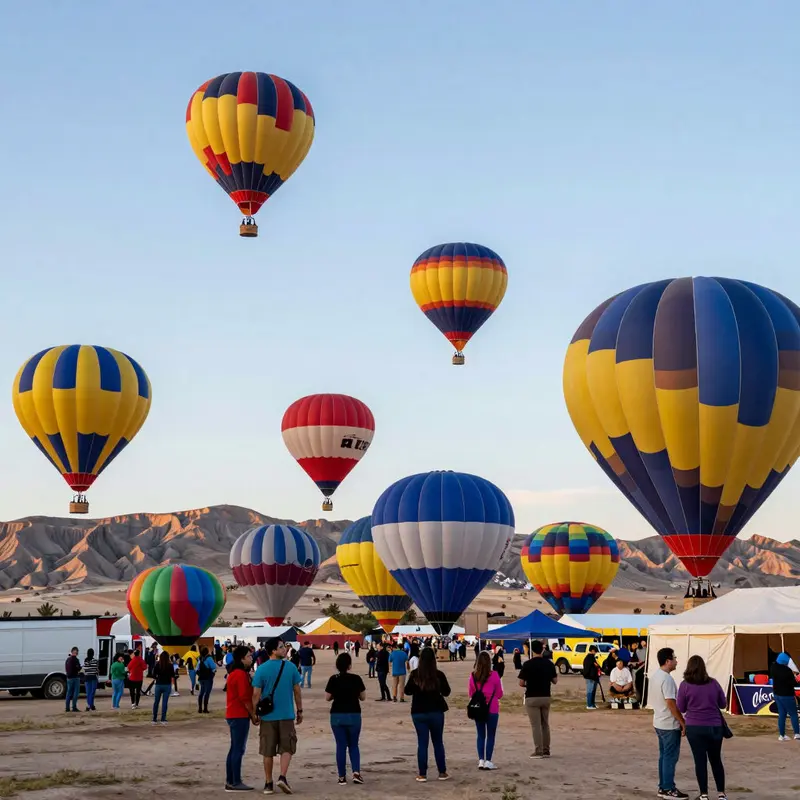
After the tranquility of the Cotswolds, New Mexico’s high desert around Albuquerque opens up with its big sky and striking landscapes.
For luxury strategists, this city is a calibrated contrast. It trades ornate interiors for atmosphere and altitude, positioning hot air ballooning as a signature access point to one of the most scenic travel destinations 2026 will be remembered for. Sunrise flights operate year-round, and seasonal sunset departures from November to January let you sculpt programs around specific light and color instead of generic sightseeing, just as carefully as you might architect internal workflows around focused productivity tools and strategies.
The core experience is deliberately immersive. Guests watch balloon inflation up close, fly with pilot commentary that interprets the Sandia Mountains and Rio Grande Valley below, then land for a post-flight champagne toast. The full experience runs roughly four hours, which conveniently fills a morning or softens a travel-weary afternoon without overwhelming a longer itinerary.
For pricing architecture, Albuquerque is straightforward yet tiered in a way that supports segmentation:
- Sunrise shared flights start at $189 per adult and create an accessible “gateway luxury” for aspirational clients.
- Sunset flights start at $225 per adult and carry a natural premium aligned with the rarity of evening departures.
- Private rides start at $799 per group and allow you to anchor higher-margin, fully branded moments around the basket and post-flight service.
Structured this way, you can map ballooning cleanly to different client tiers without diluting the perceived magic of the sky.
Maria, a senior product lead at a boutique agency shaping a 2026 North America flagship itinerary, illustrates how this works in practice. By placing a private sunrise flight on day three of a Desert Southwest circuit, she gave her top-tier clients the sense that the region “opened” from above only after they had earned it on the ground. The pilot’s narration tied together earlier walking tours along the Rio Grande, and the champagne toast became the quiet social peak of the journey. Because the pricing was clear from the outset, Maria could confidently frame the experience as a non-negotiable highlight rather than an optional add-on.
What amplifies Albuquerque in 2026 is its role as host of the Albuquerque International Balloon Fiesta, the world’s largest ballooning event. In October 2026, mass ascensions of over 500 balloons will redefine the horizon and provide a rare density of visual content in a single morning. For clients, this is not simply a festival. It is a concentrated storytelling engine.
This scale creates both opportunity and pressure for you as a designer. Booking patterns matter. Availability for Fiesta-period flights opens in September, so you can build urgency into client timelines without resorting to artificial scarcity. Early commitment becomes a strategic upsell lever; “decide now” translates directly into “secure the sky you want.”
The region’s high-desert scenery does the rest. The Rio Grande Valley provides green and riverine contrast; the Sandia Mountains catch the light in a way that turns ordinary itineraries into color-driven narratives; and the famously vibrant Sandia sunsets give you a natural climax for any day that includes a November or January evening flight. Clients feel both the serenity of slow drift and the exhilaration of altitude.
In practice, Albuquerque functions as a design tool in your portfolio. It offers a controlled, time-bound experience that still feels wildly expansive, with clear price points and highly marketable visuals. Positioned after more intense urban or adventure chapters, it lets travelers exhale, lift away from the road dust, and see their entire Desert Southwest story from a quiet basket in the sky.
A story that will stay with them long after they land.
Final thoughts
These seven destinations collectively redefine luxury travel strategy for 2026 by transforming constraints into premium value propositions. Kruger’s shoulder-season discounts become conversion accelerators while Machu Picchu’s timed entry protocols justify expert curation fees. The Amalfi Coast’s layered pacing turns coastal drives into emotional narratives and Okinawa’s coral ecosystems support restorative wellness positioning. Ucluelet’s storm-watching and the Cotswolds’ sustainable escapes provide essential decompression chapters, while Albuquerque’s balloon fiesta delivers photogenic climax moments that anchor entire Desert Southwest itineraries.
For luxury travel strategists, mastering these scenic travel destinations 2026 is the definitive path to margin resilience in a competitive market. The most successful advisors will move beyond selling locations to architecting time-sensitive experiences where seasonal windows, conservation protocols, and layered storytelling converge. As client expectations shift toward meaningful exclusivity rather than mere opulence, these destinations offer the structured frameworks needed to justify premium pricing and deepen client loyalty. Position them strategically within your 2026 portfolio to transform seasonal travel into lasting competitive advantage.
Ready to upgrade your everyday life with smarter choices and inspired living? Contact OnInitiative.com ([email protected]) today and let our experts help you design a lifestyle that aligns with your goals and values!
About us
OnInitiative.com is a digital innovation partner that empowers professionals and organizations to design smarter, more fulfilling lifestyles. Through custom software solutions, productivity tools, and travel-tech integrations, we help people reclaim time, reduce stress, and make the most of every moment—whether at work, home, or on the road.
Further reading


Leave a comment