













No products in the cart.

Shop this story
Offline-first vs ‘always on’: Status signal winner in 2027
by Joseph L
Buying the most connected gear used to feel like progress. Now it can feel like a trap. The offline-first lifestyle is popping up in shopping carts for a simple reason: people are tired of devices that act like needy coworkers.
But this isn’t just a wellness trend or a nostalgia play. Always-on tech has become a social contract you didn’t sign, and it quietly rewrites your time, your privacy, and even what it means to be reachable. In 2027, the real question isn’t which device does more. It’s which one lets you do less, on purpose, without falling behind.
Psychological impact: Why always-on living feels so bad
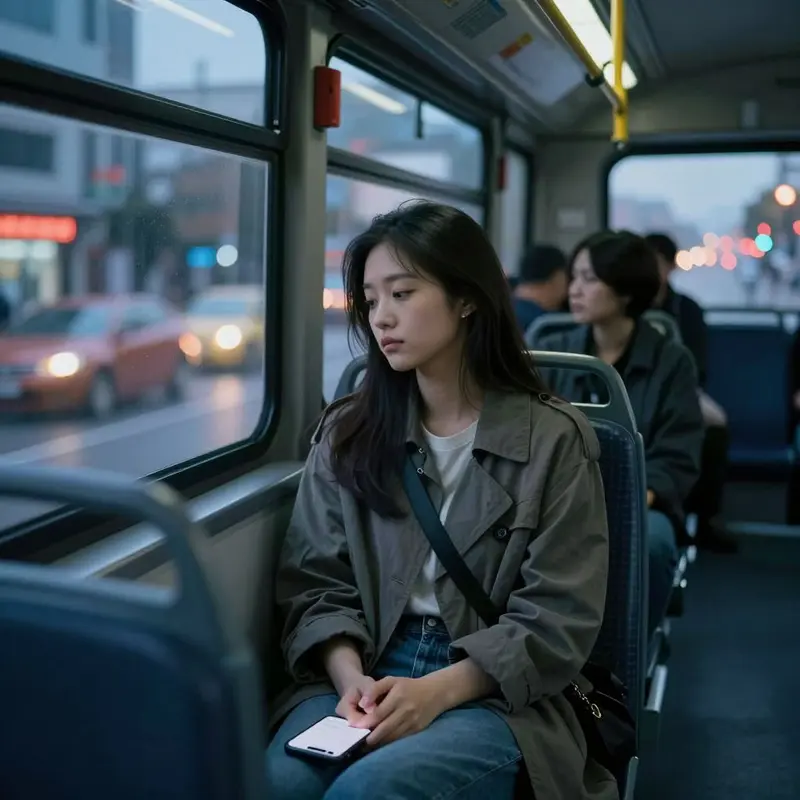
Digital saturation has done something uncomfortable to the people buying the most connected devices on the market: it’s made them quietly miserable.
If you’re a lifestyle tech buyer in 2027, you’re navigating a peculiar tension. You invest in technology to expand your life, but the research tells a different story about what constant connectivity is actually delivering. Digital dependency now correlates with addiction-like symptoms across every demographic, and the numbers among younger users are striking. Eleven percent of adolescents show signs of problematic social media use, a figure that should give any adult pause, because adolescent behavior tends to preview where the broader culture is heading.
The psychological cost isn’t abstract. It shows up in the body: fractured attention, elevated baseline anxiety, and the compulsive urge to check something, anything, every few minutes. These aren’t personality flaws; they’re predictable outputs of systems designed to extract engagement, not support wellbeing. You can feel the difference between a morning spent with a screen and a morning spent without one, even if you’ve never put that feeling into words.
What’s changed heading into 2027 is that this discomfort now has cultural language around it. Digital privacy became the defining tech conversation of 2026, driven by AI-powered surveillance that made “always on” feel less like a feature and more like exposure. Sixty-nine percent of organizations are now actively pursuing private infrastructure, which signals that the move toward sovereignty isn’t fringe; it’s structural. The pressure’s being felt at every level, from enterprise boardrooms to individual purchasing decisions.
Mindful detachment, by contrast, isn’t about smashing your phone. It’s a deliberate recalibration. The offline-first lifestyle reframes your relationship with technology from reactive to intentional: you choose when you’re reachable, rather than staying perpetually available by default. That shift is smaller in practice than it sounds, but its psychological return is disproportionate to the effort.
This isn’t just self-care. It’s the difference between living inside a notification loop and showing up as someone other people can actually reach, because the way you manage your attention determines how present you can be for the people around you, and presence is the foundation of every meaningful connection you’ll make.
Community and connectivity: Where presence beats performance

Look at where the friction actually shows up in your social life. It isn’t in what you post. It’s in the unspoken expectation that you’re always available to respond, react, and validate in real time.
Choosing an offline-first lifestyle changes that calculus immediately. When you’re not performing constant availability, your actual presence, whether at a dinner, a conversation, or a professional event, carries more weight. That’s not sentiment; it’s the same principle that explains why long-term creator collaborations outperform one-off partnerships by 70%. Sustained, intentional engagement signals credibility in a way that volume never can.
The platforms have already internalized this shift. LinkedIn’s native video generates five times more engagement than other formats, not because video is inherently special, but because it signals effort and presence. Algorithms rewrote their priorities in 2026 to favor engagement quality over high-volume posting, which means showing up less but more meaningfully is now structurally advantaged, not just philosophically appealing.
Here’s what this means for how you navigate social commitments:
- In-person moments extend your reach when you treat them as worth showing up for without over-documenting them. Phygital touchpoints, where physical presence meets digital amplification, build loyalty at three times the rate of purely online interaction.
- Selective online engagement, prioritizing depth over frequency, aligns with how quality-weighted algorithms now distribute reach.
- Collaborative relationships, maintained consistently over time, outperform the spray-and-pray approach that used to define social visibility.
The common thread isn’t being offline. It’s treating attention like a finite asset, and spending it where it compounds.
Before you commit to this fully, name the tension. For some people, stepping back from constant visibility is a luxury they can afford to absorb. For others, particularly independent creators whose income depends on audience consistency, an offline-first posture carries real financial exposure. That tradeoff doesn’t resolve neatly, and the economics behind it deserve a harder look than most lifestyle advice is willing to give.
Economic implications: When creator hustle stops paying off
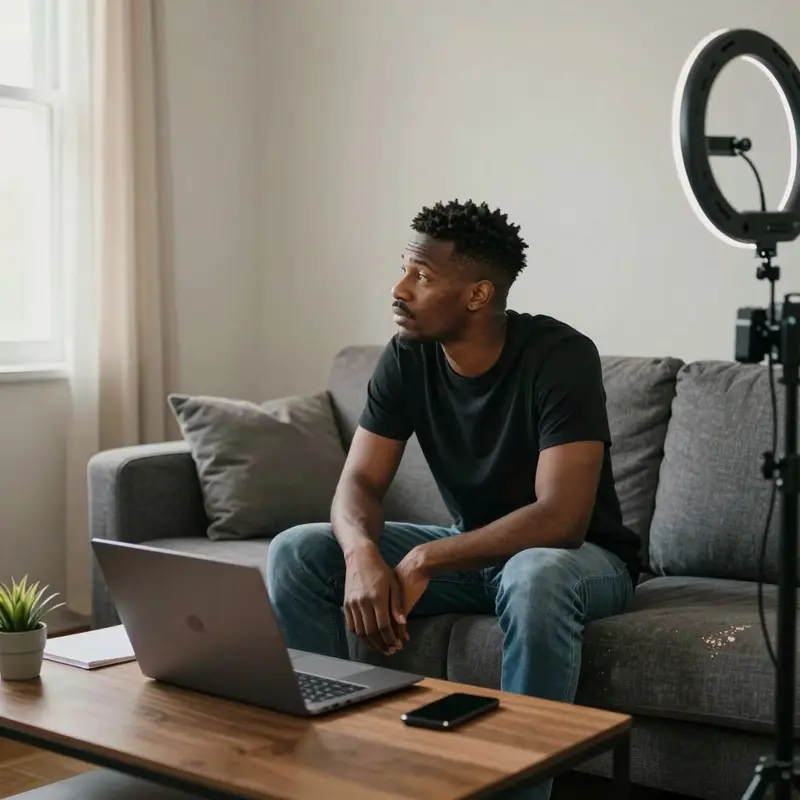
Only 4% of creators earn more than $100,000 a year. That number cuts through the glamour of the always-on economy and asks a harder question: if constant visibility is the price of admission, who’s actually collecting the reward?
The creator economy is on a trajectory toward $528 billion by 2030, and that figure gets cited as proof that the model works. But headline valuations mask a deeply unequal distribution. The vast majority of people grinding out daily posts, chasing algorithmic favor on YouTube, Instagram, and TikTok, are subsidizing a system that richly rewards a very small top tier. For most creators, “always on” isn’t a status symbol. It’s an obligation with uncertain returns.
What’s quietly changing the calculus is where growth is actually happening. Creators migrating toward owned platforms like Substack are seeing earnings grow at a rate of 52% year over year. That isn’t a coincidence. Owned ecosystems reward depth over volume, subscriber loyalty over follower count, and sustainable publishing rhythms over relentless output. The economics are beginning to argue for a different kind of presence.
This is where an offline-first lifestyle stops being a philosophical preference and starts being a financial strategy in the always-on economy. If your income depends on a platform’s algorithm, stepping back carries real risk. But if you’ve built an audience that pays you directly, the math flips. Reduced output can actually strengthen the message your work sends, because scarcity has value when trust is already established.
The well-being dimension compounds this. Creators are overwhelmingly engaged in causes larger than their own content, yet the platforms demanding their constant presence are the same ones most associated with burnout and compulsive engagement loops. Caring about the world while being required to perform for it, every day, is a specific kind of exhaustion that the revenue numbers don’t capture.
Instead of asking whether you can afford to step back, ask something more operational: what have you built that still holds when you’re not posting? If the answer is shaky, that’s your real constraint, and it’s also the clearest place to invest next.
Technological resilience: When offline becomes the real flex

The thing worth building isn’t a better connection. It’s a system that doesn’t need one.
That reframe sits at the heart of the offline-first lifestyle shift. Where “always on” strategies bet everything on a stable internet connection, offline-first approaches store your data locally first, then sync whenever a connection becomes available. The difference sounds technical, but it’s practical: your tools keep working when the network doesn’t. No waiting, no spinning wheels, no losing work mid-session because a café’s router gave out.
“Always on” systems do have a real strength. Real-time collaboration, shared documents, live chat platforms: they’re genuinely suited to environments where everyone is plugged in and the connection never wavers. The problem is that outages don’t negotiate. When the server goes down, everything goes down with it, and the seamlessness you paid for disappears exactly when you need it most.
The sectors already moving away from that dependency tell you something about where resilience actually lives. Three contexts illustrate it clearly:
- Fintech applications running on offline-first architectures let transactions queue locally, so a dropped connection doesn’t mean a failed payment or a broken session.
- Healthcare tools designed this way keep patient data accessible in low-connectivity environments, where a missed lookup can mean a missed decision.
- Deskless workers, who move between job sites and dead zones all day, lose access entirely under “always on” systems, making those tools effectively useless for the hours that matter most.
What connects all three isn’t just inconvenience avoidance. It’s the recognition that trust in a tool is built during the moments it holds, not the moments it performs smoothly on a good day.
This kind of resilience also reduces friction in a quieter way: lower data costs and longer usable sessions mean the tools don’t demand constant bandwidth just to stay alive. That’s not a minor feature. It’s a design philosophy, and it’s increasingly the one that shapes whether a product feels worth keeping.
If offline matters this much when money, care, and work are on the line, it’s going to matter even more when people start using it as a marker of who they are. How that philosophy translates into the signals people choose to project, and what those choices communicate about identity and status by 2027, is where the argument gets sharper.
Future outlook: When what you don’t need becomes status
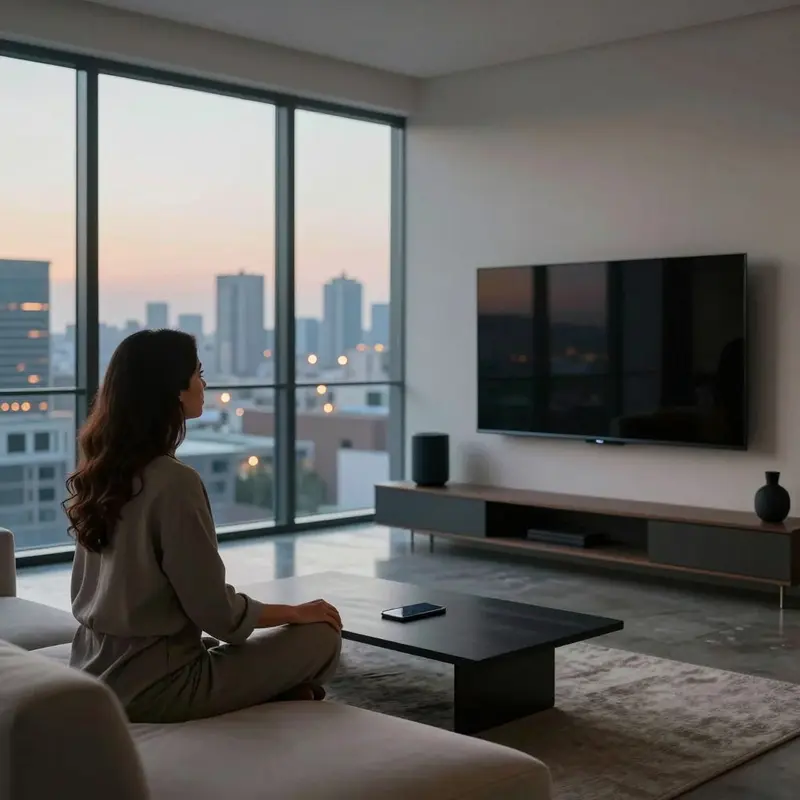
The status signals that hold in 2027 won’t come from specs or price points. They’ll come from restraint, from the visible choice to opt out of features most products assume you want.
Nearly half of U.S. shoppers already say sustainable practices factor into their purchases, and that instinct connects directly to how people choose devices. Sustainability and offline-first thinking aren’t separate values moving in parallel. They’re the same underlying impulse. When you choose a device that runs without a subscription, without constant cloud dependency, without a plan someone else controls, you’re making a statement about consumption that other people can read.
Smart rings have been growing their market share at 8% annually, and patches have followed. These aren’t fringe products chasing early adopters anymore. They’re accumulating cultural weight precisely because they carry a philosophy: less extraction, longer useful life, real ownership. Subscription fatigue is pushing the same direction. One-time payments feel like ownership in a way monthly fees never do, and ownership signals something.
The offline-first lifestyle is becoming legible as an identity position, not just a purchasing preference. When someone sees a device on your wrist that doesn’t ping, doesn’t notify, doesn’t phone home, they register a choice. That choice communicates discipline, intentionality, and a particular kind of confidence that doesn’t need constant connectivity to feel complete.
By 2027, what’s on your body won’t just reflect what you can afford. It’ll reflect what you’ve decided you don’t need, and that’s the marker that’s hardest to fake.
Final thoughts
By 2027, connection itself won’t be the flex. Control will. The winner status-wise won’t be the person with the most features humming in the background, it’ll be the person whose tools stay useful without demanding attention, data, or constant permission.
Think of it as trust under pressure: the products and habits you keep are the ones that hold up when the network, the algorithm, or your own willpower wobbles. An offline-first lifestyle isn’t about disappearing. It’s about choosing when you’re available and making that choice visible, through what you buy, what you refuse, and what you protect. That kind of restraint is hard to fake, which is exactly why it reads as status.
Further reading

Leave a comment