
















No products in the cart.

Shop this story
Agentic AI vs. Automation: Picking E-Commerce’s Future
by Joseph L
Black Friday chaos just crushed your Shopify store: inventory updates lag while customer queries pile up, and your rigid automation rules crumble under pressure. Static systems wait for explicit instructions as sales hemorrhage—but what if your e-commerce engine could anticipate problems before they tank revenue? The critical distinction between agentic AI vs automation separates reactive band-aids from true resilience, where adaptive intelligence slashes costs by 30% and transforms chaotic spikes into seamless execution.
This isn’t incremental tech evolution—it’s existential for e-commerce survival. Real-world implementations prove agentic AI’s autonomous reasoning outperforms traditional automation during supply chain meltdowns and demand surges, leveraging tools like LangChain to navigate real-time chaos. We’ll unpack how proactive workflows resolve 80% of customer crises, boost conversions by 25%, and why blending human oversight with AI agents (projected to drive a $127B market by 2029) isn’t optional—it’s your runway to future-proof operations.
Agentic AI vs Automation: Stopping Your Black Friday Sales Hemorrhage Now
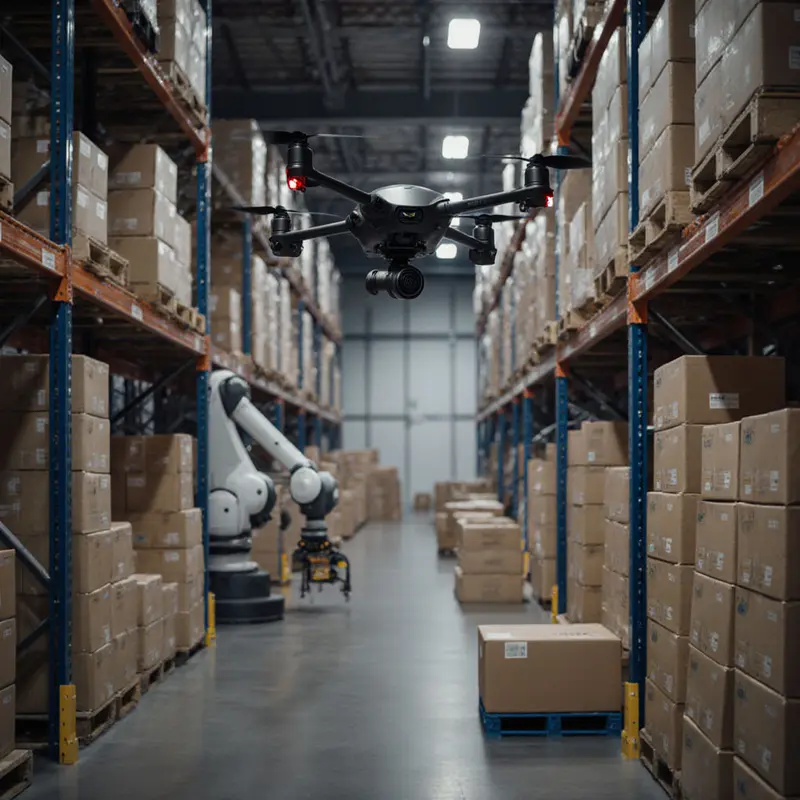
Black Friday hits your Shopify store, and suddenly inventory updates lag while customer queries pile up. Static automation rules crumble under the chaos—your sales hemorrhage as systems wait for explicit instructions.
Agentic AI doesn’t wait. It acts autonomously, pursuing goals with contextual awareness. By 2025, mature foundation models and long-context architectures empower these agents to plan, coordinate, and execute end-to-end workflows across ERPs, CRMs, and customer databases. Picture a supply-chain agent anticipating regional demand spikes, adjusting stock in real time, and negotiating with suppliers via API—all while maintaining human oversight.
This transcends incremental upgrades. Where traditional automation remains trapped in rigid ‘if-then’ logic, agentic systems enable proactive satisfaction management: spotting hesitant shoppers, triggering personalized offers, and resolving cart abandonment before it happens. AI co-pilots save time by transforming reactive processes into adaptive workflows that learn from every interaction.
The shift from static rules to adaptive intelligence isn’t merely technical—it’s existential for e-commerce agility. True resilience emerges when systems don’t just process orders, but anticipate needs.
Rigid Automation vs. Agentic AI: How Real-Time Adaptation Slashes 80% of Customer Crises

What if your e-commerce systems could anticipate that warehouse delay before it tanks Black Friday sales? That’s the chasm between agentic AI vs automation. It’s reshaping profitability right now.
Legacy automation executes rigid scripts. When a supplier misses shipment deadlines, static rules blindly trigger refund emails while inventory chaos unfolds. But agentic AI? It intelligently reroutes orders, negotiates with backup carriers via API, and updates customers—all while maintaining compliance guardrails. Picture Sarah’s boutique: during last quarter’s port strike, her system recalibrated fulfillment paths in real time before shoppers noticed delays. Relief flooded her team as sales held firm.
This isn’t isolated to small boutiques. With 35% market growth projected ($28B→$127B by 2029), forward-thinking enterprises now pilot systems where AI agents, leveraging advanced reasoning and memory, proactively resolve 80% of common customer service issues (per Gartner’s 2024 forecast) while simultaneously slashing cloud costs through real-time resource reconfiguration. Static workflows collapse under novel stress, but adaptive intelligence not only survives—it reconfigures on the fly.
Critically, autonomy doesn’t mean abandonment. Orchestration frameworks like LangChain embed regulatory guardrails into every decision, turning constraints into competitive advantages.
The real test lies in weaving these agents into existing operational fabric. But first, ask yourself: Are you optimizing spreadsheets—or building integrated systems that adapt? Future-proof resilience.
Agentic AI vs Automation? Why Integration Slashes 30% Costs

Your e-commerce automation just gained foresight. That’s the shift from rigid scripts to agentic AI vs automation—a strategic enhancement, not a replacement. Legacy systems follow fixed rules, but agentic AI navigates a Reasoning-Acting Loop, autonomously planning and adapting across workflows. During Black Friday spikes, agents dynamically reroute shipments and adjust forecasts, turning chaos into seamless execution.
These results are already materializing. With the agentic AI market projected to hit $127 billion by 2029, platforms like LangChain and AutoGen optimize cloud costs and supply chains. Gartner forecasts 80% of customer service issues resolved autonomously by 2029, translating to 30% operational cost savings. Integration demands an AI business strategy—robust APIs and AI-augmented teams—not rip-and-replace.
The real power emerges when intelligence layers onto existing systems. Agentic AI enables multi-agent ecosystems handling sentiment analysis and fraud detection while maintaining governance guardrails. No human intervention required.
This synergy transforms reactive processes into proactive resilience. Retail giants aren’t just adapting—they’re redefining the game.
Agentic AI vs Automation: Why 30% Faster Operations Decide Winners and Losers

Sarah’s Perplexity AI agent just booked her carbon-neutral sneakers—no tabs, no price comparisons. That’s agentic commerce in action: AI anticipating needs, not just reacting.
Traffic from GenAI browsers like ChatGPT exploded 4,700% recently. Visitors arriving via AI agents show 10% higher engagement and stronger purchase intent. This isn’t just traffic—it’s qualified demand.
BCG advises retailers to craft proprietary AI agents reflecting their brand essence. Early adopters like Google Gemini’s shopping suite autonomously negotiate discounts and manage complex returns. Traditional automation handles predictable tasks; agentic systems adapt—re-routing shipments during disruptions or securing flash deals.
One retailer slashed operational cycles by 30% using AI agents that coordinate shipping and returns, cutting approval times from days to minutes. For entrepreneurs, achieving 30% faster operations means selling digital workforces, not just software.
The paradigm shift won’t wait. Miss this wave, and obsolescence arrives faster than the original e-commerce revolution did.
This race rewrites customer journeys—not just costs. Efficiency gains are just the beginning.
Agentic AI vs Automation: Transform CX with 25% Higher Conversions—Or Lose Shoppers by 2025

At Sarah’s boutique, an AI agent spots a loyal customer’s preference for sustainable fabrics and autonomously negotiates a tailored discount with her favorite eco-brand. This is the tangible shift from rigid automation to agentic AI—where systems anticipate needs instead of merely executing tasks. The result? A hyperpersonalized journey that lifts conversion rates by 25% and deepens customer lifetime value through dynamic pricing and subscription management.
By 2029, Gartner predicts 80% of customer service issues will resolve autonomously.
Entrepreneurs can then redirect human talent toward high-stakes strategy while AI handles replenishments, CRM updates, and context-aware support. This drives 40% faster claim resolution, 15-point NPS gains, and 30% lower operational costs. Yet adaptation is urgent in the era of AI revolutionizing business marketing: over half of consumers will shop via AI agents by 2025, risking diminished direct customer access if brands don’t embed proprietary agents into ecosystems like Shopify.
Scaling isn’t optional when Agentic AI propels workflows 30% faster and cuts back-office costs through autonomous inventory rerouting. But winners won’t just adopt AI—they’ll build AI-speed organizational capabilities to harness its full potential. This isn’t incremental change—it’s commerce reimagined.
Tomorrow’s leaders will blend automation for predictable tasks with Agentic AI for proactive value creation, turning shoppers into advocates. The critical question becomes where each capability fits in your strategy.
Automation Powers the Engine, Agentic AI Navigates the Storm: Secure Your 2025 E-Commerce Edge

You’re adjusting dynamic pricing at 3 a.m. when Shopify’s system auto-adjusts for regional demand spikes without your input. That’s Agentic AI in action—not automation. The distinction between Agentic AI and automation hinges on adaptability. Agentic AI plans, reasons, and executes end-to-end workflows, resolving 80% of customer issues while cutting costs by 30%.
Take AWS optimizing cloud spend during Black Friday. Automation manages predictable tasks, yet Agentic AI dynamically reroutes traffic during outages, delivering the speed and resilience e-commerce demands. By 2025, enterprises must pilot this autonomous layer for supply chain management and personalized recommendations, areas where static rules consistently fall short.
Strategic implementation isn’t binary. Use automation for routine processes like order confirmations, but deploy Agentic AI for adaptive functions such as refund negotiations or proactive maintenance. Crucially, human-in-the-loop oversight ensures alignment with business goals, especially for complex decisions.
This isn’t replacement. It’s evolution.
Blending both unlocks transformative efficiency: Automation powers the engine; Agentic AI navigates the storm. For entrepreneurs, the 2024–2029 growth surge (from $28 billion to $127 billion) isn’t hype. It’s your runway to innovate customer experiences while competitors stall in manual workflows. Start small: automate inventory, but let Agentic AI own dynamic pricing. This synergy drives measurable gains in resolution speed and customer loyalty. The future favors those who orchestrate, not just automate.
Final Thoughts
E-commerce no longer survives on static rules alone. When Black Friday chaos hits, agentic AI dynamically reroutes shipments, negotiates with suppliers, and personalizes offers while traditional automation blindly triggers refund emails—turning inventory nightmares into competitive advantages through adaptive intelligence. Real-world data shows this shift isn’t theoretical: retailers using autonomous agents slash operational cycles by 30%, resolve 80% of service issues proactively, and lift conversions by 25% by anticipating needs rather than reacting to failures.
The agentic AI vs automation divide now defines winners and losers. As AI agents reshape 4,700% surging traffic streams and half of consumers shift to AI-powered shopping by 2025, entrepreneurs face a stark choice: orchestrate adaptive ecosystems where humans guide AI’s reasoning loops, or cling to brittle workflows destined for obsolescence. Will you build systems that merely process orders—or ones that predict your next revenue surge before it happens?
Ready to stay ahead with cutting-edge tech insights and innovations? Contact OnInitiative.com ([email protected]) today and let our experts guide you through the future of technology—today!
About Us
OnInitiative.com is an innovative marketplace that helps e-commerce businesses boost productivity and community growth through advanced automation tools.
Further reading


Leave a comment