







No products in the cart.

Shop this story
For Home Decor E-Tailers: AI Tools to Beat 2025 Tariffs
by Anabel Figueroa
Picture this: your best-selling upholstered sofa just got hit with a 25% tariff overnight, climbing to 30% next January. That kitchen cabinet bundle? Now facing a 50% duty by 2026. For home decor e-tailers, these aren’t distant policy debates—they’re profit-eroding realities threatening your Shopify store’s survival tomorrow.
The right AI tools for tariffs on home decor transform these shocks into strategic advantages. By analyzing real-time tariff impacts across countries and forecasting price spikes, modern AI turns disruption into actionable intelligence. This guide unpacks how predictive analytics builds tariff-resilient supply chains, dynamic pricing protects margins without alienating shoppers, and hyper-personalization turns tariff frustrations into fierce customer loyalty—all through practical, battle-tested strategies.
2025 Tariff Impact: AI Tools for Home Decor Import Risk Assessment
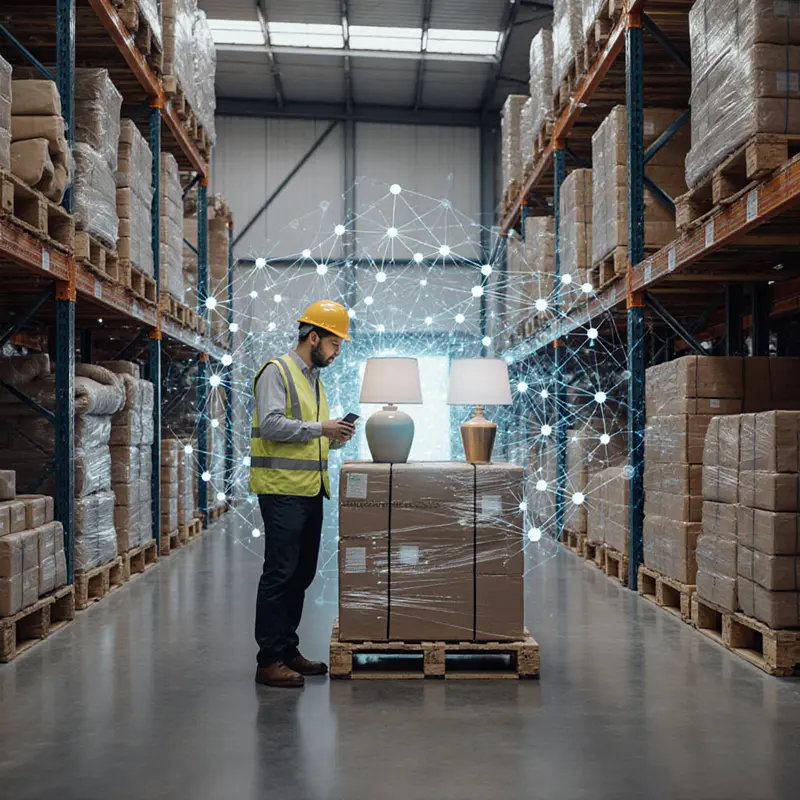
Imagine your top-selling upholstered sofa now faces an immediate 25% tariff, climbing to 30% next January. That kitchen cabinet bundle? A 50% tariff takes effect by January 1, 2026. These aren’t abstract policy shifts—they’re direct threats to your Shopify store’s margins and inventory flow.
The Commerce Department’s Section 232 investigation triggered this, concluding imported wood products undermine U.S. manufacturing and economic stability for national security reasons like military infrastructure. Real-world impacts are already visible:
- Upholstered furniture faces tariffs rising from 25% to 30%
- Kitchen cabinets and vanities jump from 25% to 50%
- The U.K. receives a 10% preferential tariff cap; EU and Japan face 15%
These tariffs mean higher costs for you and customers, potential stock shortages, and urgent sourcing overhauls. But here’s the strategic pivot: AI-integrated home decor transforms tariff risks into actionable intelligence.
Modern AI analyzes product-level tariff impacts across countries in real time. It forecasts price spikes using high-frequency data, identifies resilient suppliers before competitors, and flags inventory risks proactively. Think of it as constant disruption monitoring while optimizing your sourcing strategy.
This goes beyond cost management—it’s about maintaining competitive pricing when rivals falter. Now you’re positioned to build the tariff-resilient supply chains explored in the next chapter through predictive analytics.
AI-Optimized Sourcing: Build Tariff-Resilient Supply Chains with AI-Powered Simulations
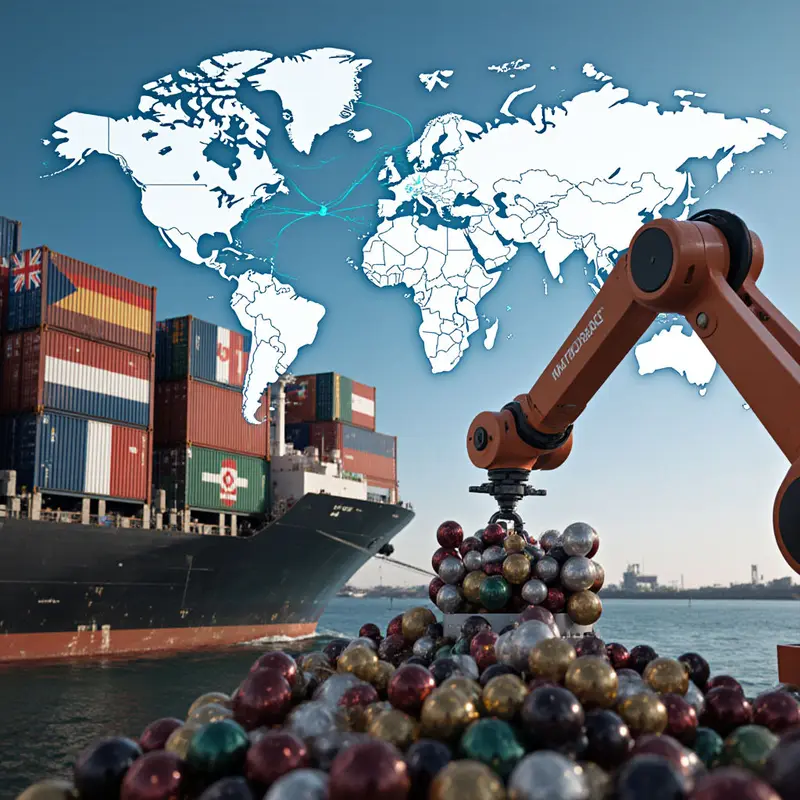
Tariff whiplash hit American Woodcrafters hard last quarter. Fluctuating shipping expenses and sudden duty hikes turned forecasting into guesswork. But AI-optimized sourcing is changing the game for home decor entrepreneurs by simulating reality before risks materialize.
These AI tools for tariffs on home decor weigh critical variables across thousands of scenarios:
- Landing costs factoring tariffs, fuel surcharges, and port delays
- Geopolitical ripple effects from new trade policies
- Alternate routes bypassing congested U.S. ports
The simulations reveal concrete strategies. Many brands now adopt the China+1 model, splitting orders between China and Vietnam or Mexico. This isn’t just diversification—it’s deliberate redundancy. When home furnishings tariff challenges such as sudden spikes in Chinese import tariffs occur, nearshoring to Mexico shaves weeks off lead times while avoiding duties entirely.
Imagine rerouting a container shipment during monsoon season. AI identifies Mexico as a viable alternative 72 hours before storms hit, locking in predictable landed costs. This agility turns supply chain volatility from a profit killer into a manageable variable.
Such resilience directly enables your next move: dynamic pricing that protects margins without shocking customers.
AI-Powered Pricing & Product Adaptation: Protect Margins Without Alienating Home Decor Customers
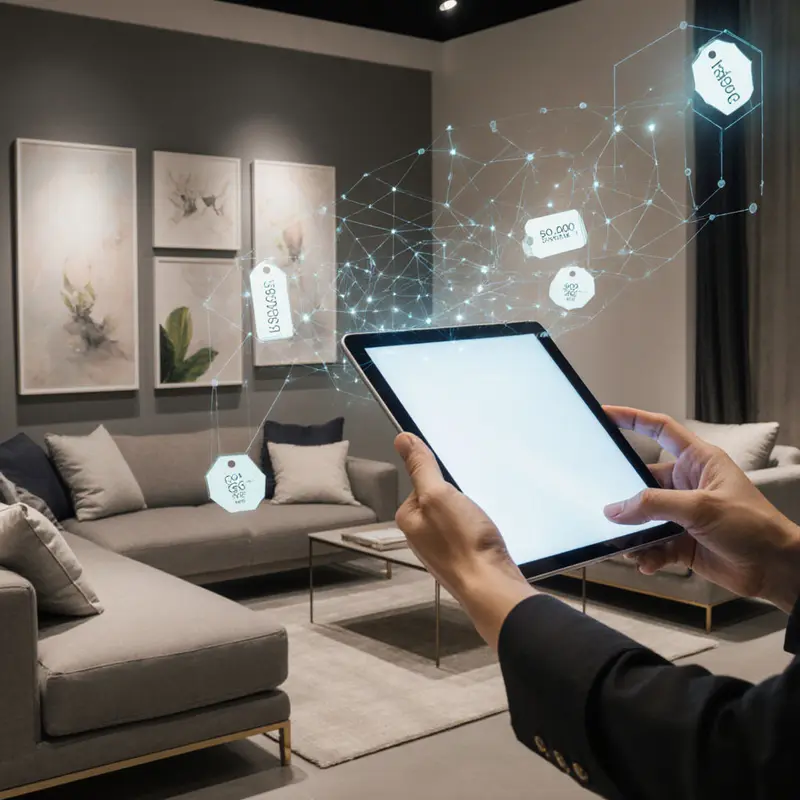
When tariffs shrink profit margins, home decor e-tailers deploy AI-powered pricing engines that adjust dynamically. These systems analyze demand forecasts, competitor moves, and individual customer behavior to set optimal prices—protecting profits without triggering shopper backlash. Crucially, they maintain transparent pricing by folding delivery, taxes, and installation costs upfront. This matters because unexpected fees cause 39% of cart abandonments; nearly four in ten shoppers flee when hit with surprise charges. By eliminating guesswork, these AI systems let retailers react proactively to market shifts while preserving trust.
Macy’s retail example proves the power here: predictive analytics drove double-digit revenue growth through optimized markdown timing and personalized offers. But it’s not just about numbers. This AI-powered business strategy enhances the human experience by bundling complementary items like sofa sets or using AR visualization tools, helping customers see the value behind tariff-driven cost increases. When shoppers virtually place a rug in their living room, price sensitivity drops.
Real-time adjustments work because they feel fair. AI tailors discounts based on loyalty status or urgency signals, making each interaction relevant.
Preserving margins today directly fuels tomorrow’s retention strategies.
AI-Powered Personalization: Retain Home Decor Shoppers Despite Tariffs
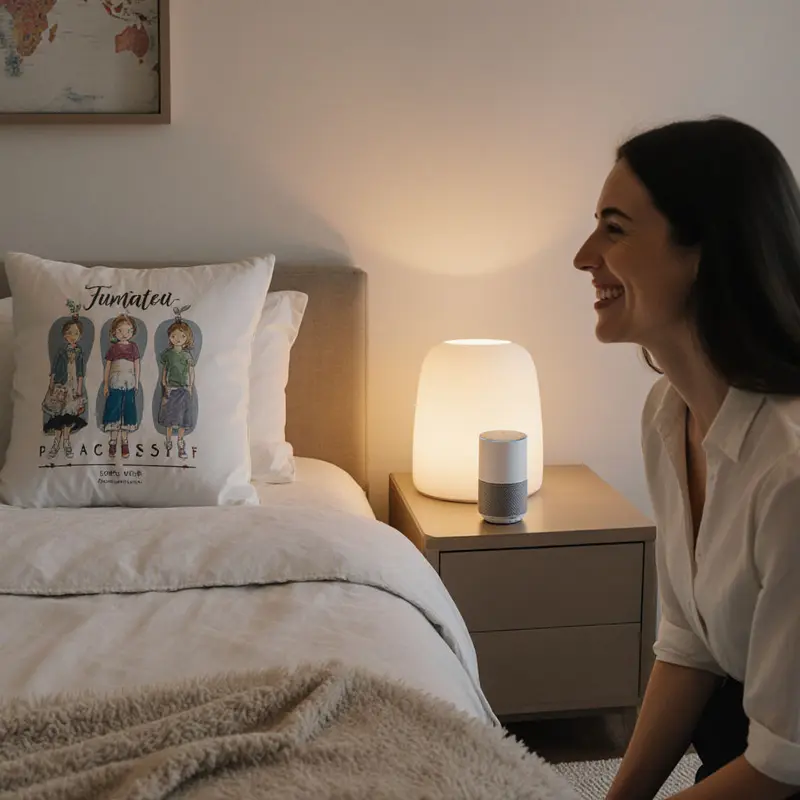
Tariffs may tighten your margins, but they hit home decor shoppers where it truly hurts: the emotional investment in crafting their perfect living spaces. Yet AI-powered personalization turns that frustration into fierce loyalty—proven to lift retention by up to 30% across the home decor sector.
AI analyzes behavior and purchase history to deliver hyper-relevant experiences. Imagine a customer who browsed coastal-themed decor receiving a timely email: “Your seaside living room vision—now with free shipping on these curated pieces.” Such precision offsets price concerns by making shoppers feel uniquely understood.
Three tactics transform tariff pain into profit:
- AI-generated product descriptions highlighting emotional benefits (e.g., “Cozy farmhouse charm for Sunday brunches” as reported in industry studies)
- Dynamic pricing adjusting for demand and competitor moves without alienating loyal segments
- Proprietary AI shopping agents that curate deals within your ecosystem, not third-party platforms
Implementing these strategies builds trust where tariffs create doubt. Shoppers forgive modest price increases when they believe you get their home story, as demonstrated by Wayfair’s success with emotional AI descriptions that reduce hesitation while emphasizing how a linen sofa “hosts your family’s laughter for years.”
This layered approach transforms price sensitivity into stickiness. Retention isn’t a cost—it’s your tariff shield.
Final thoughts
Home decor entrepreneurs are discovering that tariffs don’t have to mean margin collapse—they can become catalysts for smarter, more responsive businesses. By leveraging AI to assess import risks, simulate resilient supply chains, and adapt pricing while preserving trust, forward-thinking e-tailers are turning regulatory headwinds into competitive advantages that deepen customer relationships.
Your retention strategy becomes the ultimate tariff shield when AI helps shoppers feel uniquely understood amid price shifts. As these AI tools for tariffs on home decor evolve from nice-to-have to survival essentials, the real question isn’t whether you can afford to implement them—it’s whether you can afford not to when your competitors already are.
Ready to transform your space with smart, stylish design ideas? Contact OnInitiative.com ([email protected]) today and let our experts help you reimagine home decor with creativity and purpose!
About Us
OnInitiative.com is an innovative marketplace that helps e-commerce businesses boost productivity and community growth through advanced automation tools.
Further reading


Leave a comment